
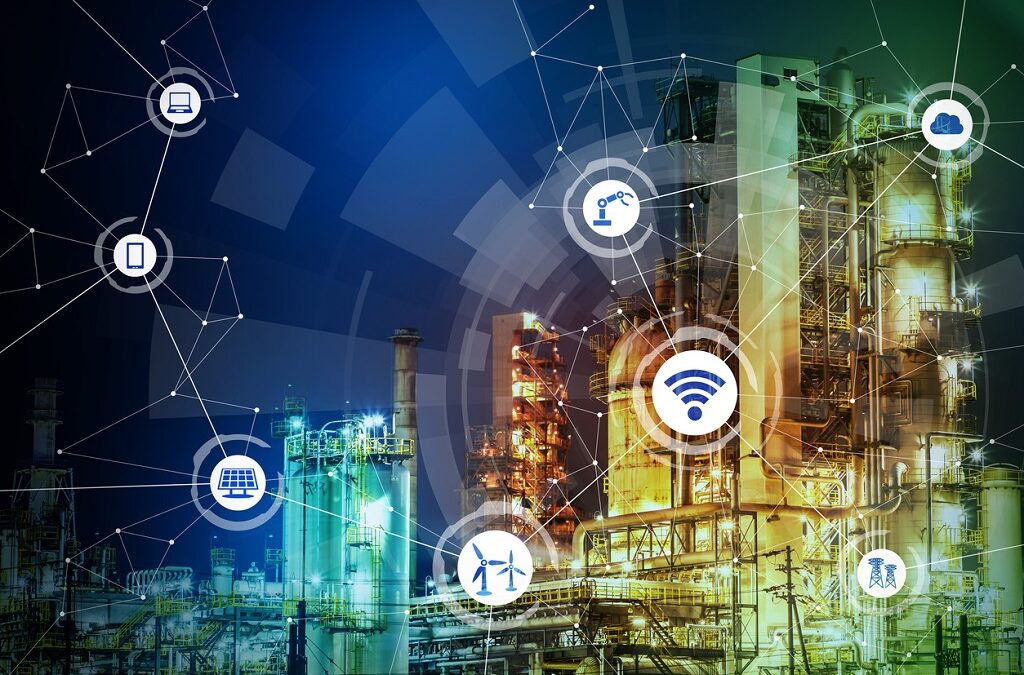
The adoption of smart equipment is transforming industries by optimizing workflows, reducing downtime, and enabling data-driven decision-making. As manufacturing, logistics, and even creative sectors embrace digital transformation, understanding how smart equipment improves productivity becomes essential for businesses aiming to stay competitive. This article explores the practical benefits, key technologies, and real-world impacts of integrating intelligent machinery into modern operations.
From predictive maintenance to automated quality control, advanced tools offer more than just speed—they deliver actionable insights and adaptability. Before diving into the core ways these innovations drive efficiency, it’s helpful to consider how related fields, such as motion blur composition examples in photography, also leverage technology for enhanced results. This cross-industry perspective highlights the universal value of intelligent automation.
Key Ways Intelligent Machinery Boosts Efficiency
Integrating smart equipment into daily operations brings measurable improvements in output and resource management. These systems combine sensors, connectivity, and artificial intelligence to deliver several productivity gains:
- Real-Time Monitoring: Sensors track performance metrics, environmental conditions, and usage patterns, allowing for immediate adjustments and reducing manual oversight.
- Predictive Maintenance: By analyzing data trends, smart systems can anticipate equipment failures before they occur, minimizing unplanned downtime and costly repairs.
- Automated Quality Control: Vision systems and machine learning algorithms inspect products faster and more accurately than manual checks, ensuring consistent output and reducing waste.
- Resource Optimization: Intelligent machinery can adjust energy consumption and material use based on real-time demand, lowering operational costs and environmental impact.
Data-Driven Decision Making in Modern Operations
One of the most significant advantages of adopting advanced tools is the ability to collect and analyze vast amounts of operational data. This data-driven approach enables managers to:
- Identify bottlenecks and inefficiencies in workflows.
- Make informed decisions about process improvements and investments.
- Benchmark performance across teams, shifts, or locations.
- Respond quickly to changing market demands or supply chain disruptions.
For a deeper dive into the concept of intelligent manufacturing, resources like this overview of smart factories provide valuable context on how digital technologies are reshaping production environments.
.jpg?width=755&height=425&name=smart%20manufacturing%20article%20header%20image%20%20(1).jpg)
Automation and Human Collaboration
While automation is a central feature of intelligent equipment, the most successful implementations combine the strengths of machines and people. Rather than replacing workers, these systems free up human talent for higher-value tasks:
- Repetitive Tasks: Automated machinery handles routine or hazardous jobs, improving safety and consistency.
- Human Oversight: Operators and engineers focus on problem-solving, innovation, and process optimization.
- Continuous Learning: As systems collect more data, teams can refine processes and adapt to new challenges.
This synergy leads to a more agile, resilient organization capable of responding quickly to both opportunities and disruptions.
Examples of Productivity Gains Across Industries
The impact of smart equipment is evident in a variety of sectors:
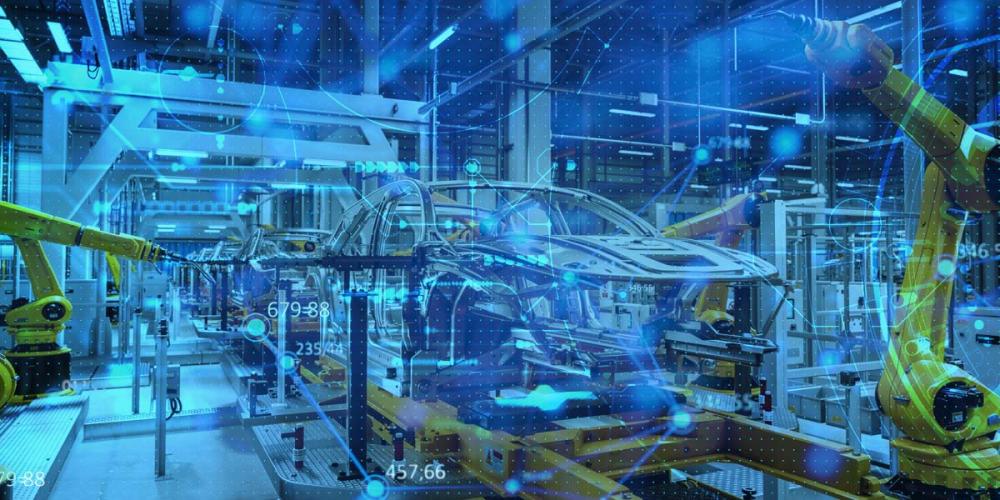
- Manufacturing: Automated assembly lines equipped with robotics and AI-powered inspection systems increase throughput and reduce defects.
- Warehousing: Autonomous vehicles and smart inventory systems streamline picking, packing, and shipping, cutting lead times.
- Healthcare: Intelligent diagnostic devices and connected monitoring tools help clinicians deliver faster, more accurate care.
- Creative Industries: In fields like photography, advanced tools—such as those discussed in the motion blur cinematic photography guide—enable artists to achieve effects that were previously difficult or time-consuming.
Challenges and Considerations When Implementing Advanced Tools
While the benefits are clear, integrating intelligent machinery comes with its own set of challenges:
- Initial Investment: Upgrading legacy systems or purchasing new equipment can require significant capital.
- Training and Change Management: Teams need support to adapt to new workflows and technologies.
- Data Security: As more devices connect to networks, protecting sensitive information becomes critical.
- Integration: Ensuring compatibility between new and existing systems is essential for seamless operation.
Addressing these factors early in the planning process helps organizations maximize the return on their investment in smart technologies.
Future Trends in Productivity Enhancement
The landscape of productivity improvement continues to evolve as new technologies emerge. Some trends to watch include:
- Edge Computing: Processing data closer to the source reduces latency and enables faster decision-making.
- AI-Driven Customization: Equipment that adapts in real time to specific tasks or user preferences.
- Collaborative Robots (Cobots): Machines designed to work safely alongside humans, expanding automation’s reach.
- Integration with IoT Platforms: Unified control and monitoring across entire facilities or supply chains.
Staying informed about these developments will help businesses maintain a competitive edge and continue to unlock new levels of efficiency.
Frequently Asked Questions
What types of businesses benefit most from intelligent equipment?
Any organization that relies on repetitive processes, large-scale production, or data-driven decision-making can see significant gains. Manufacturing, logistics, healthcare, and creative sectors are among the top adopters.
How does predictive maintenance reduce downtime?
Predictive maintenance uses real-time sensor data and analytics to identify potential equipment failures before they happen. This allows for scheduled repairs, minimizing unexpected breakdowns and keeping operations running smoothly.
Is it difficult to train staff to use advanced machinery?
While there is a learning curve, most modern systems are designed with user-friendly interfaces. Ongoing training and support help teams adapt quickly, and many organizations find that employees appreciate the shift to more meaningful, less repetitive work.