

In today’s rapidly evolving industrial landscape, smart sensors are transforming the way factories operate. These advanced devices play a crucial role in identifying irregularities and potential issues before they escalate, helping manufacturers maintain efficiency, safety, and product quality. Understanding how smart sensors detect anomalies is essential for anyone interested in modern manufacturing, industrial automation, or the future of the smart factory.
By continuously monitoring equipment, processes, and environmental conditions, smart sensors provide real-time insights that enable predictive maintenance and minimize downtime. This article explores the mechanisms, technologies, and benefits behind anomaly detection in industrial settings, offering a practical look at how these innovations are reshaping factory operations.
For those interested in related topics, you might also find value in our motion blur composition examples, which explore advanced imaging techniques relevant to industrial monitoring and analysis.
Understanding Anomaly Detection with Smart Sensors
At the core of modern industrial automation, anomaly detection refers to the process of identifying patterns in data that do not conform to expected behavior. In factories, this means spotting deviations in machine performance, environmental conditions, or production outputs that could indicate malfunctions, wear, or safety concerns.
Smart sensors are equipped with advanced capabilities such as data processing, wireless communication, and sometimes even embedded artificial intelligence. These features allow them to not only collect data but also analyze it in real time, flagging any unusual activity for further investigation.
Key Technologies Behind Smart Sensor Anomaly Detection
Several technologies enable smart sensors to effectively identify anomalies in factory environments:
- Vibration and Acoustic Monitoring: Sensors detect abnormal vibrations or sounds in machinery, which often precede mechanical failures.
- Temperature and Humidity Sensing: Monitoring environmental factors helps prevent overheating, condensation, or other conditions that could harm equipment or products.
- Pressure and Flow Sensors: These devices ensure that fluids and gases are moving as intended, quickly identifying leaks or blockages.
- Optical and Imaging Sensors: Used for quality control, these sensors spot defects or irregularities in products as they move through the production line.
- Embedded AI and Machine Learning: Some smart sensors use machine learning algorithms to learn normal operating patterns and detect subtle deviations that might escape traditional threshold-based systems.
How Data Collection and Analysis Work in Industrial Settings
The process of detecting anomalies starts with continuous data collection. Smart sensors gather large volumes of information from various points across the factory floor. This data is then analyzed locally (on the sensor itself) or sent to a central system for more complex processing.
Advanced analytics and machine learning models compare real-time data against historical trends and predefined parameters. When a sensor identifies a value or pattern outside the expected range, it triggers an alert. This early warning system allows maintenance teams to address issues proactively, reducing the risk of costly breakdowns or safety incidents.
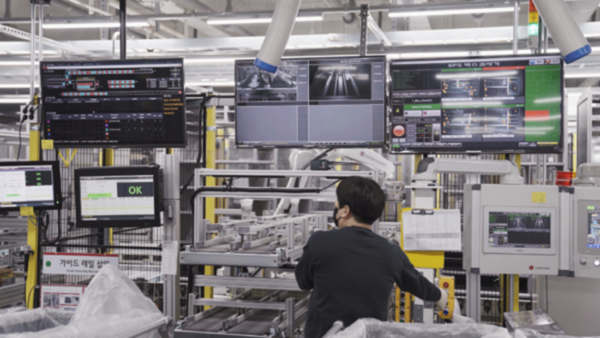
Benefits of Using Smart Sensors for Anomaly Detection
The integration of intelligent sensors in factories brings several significant advantages:
- Reduced Downtime: Early detection of irregularities allows for timely maintenance, minimizing unplanned stoppages.
- Improved Safety: Identifying hazardous conditions before they escalate helps protect workers and equipment.
- Enhanced Product Quality: Continuous monitoring ensures that defects are caught early, reducing waste and rework.
- Cost Savings: Preventive actions lower repair costs and extend the lifespan of machinery.
- Data-Driven Decision Making: Access to real-time and historical data supports better planning and process optimization.
Real-World Applications in Modern Factories
Manufacturers across various industries are leveraging smart sensors to improve operations. For example, automotive plants use vibration sensors to monitor robotic arms, while food processing facilities rely on temperature and humidity sensors to maintain product safety. In electronics manufacturing, optical sensors ensure precise assembly and detect microscopic defects.
The adoption of these technologies is a key component of the smart factory concept, where interconnected devices and systems work together to create more agile, efficient, and resilient production environments.

Challenges and Considerations in Implementing Smart Sensor Systems
While the advantages are clear, deploying smart sensors for anomaly detection comes with its own set of challenges:
- Integration Complexity: Connecting new sensors to legacy equipment and existing IT infrastructure can require significant planning and investment.
- Data Management: The volume of data generated by numerous sensors can be overwhelming without proper storage and analysis tools.
- Cybersecurity Risks: As factories become more connected, protecting sensitive data and systems from cyber threats is increasingly important.
- Cost of Deployment: Initial setup costs can be high, though they are often offset by long-term savings and efficiency gains.
- Training and Change Management: Staff must be trained to interpret sensor data and respond appropriately to alerts.
Future Trends in Industrial Anomaly Detection
The field of anomaly detection is evolving rapidly. Future developments are likely to include:
- Edge Computing: More processing will happen directly on the sensor, reducing latency and reliance on central servers.
- Advanced AI Algorithms: Improved machine learning models will enable even more accurate and nuanced detection of irregularities.
- Interoperability: Enhanced standards will make it easier to integrate sensors from different manufacturers into unified monitoring systems.
- Self-Healing Systems: Some factories are experimenting with systems that not only detect but also automatically correct certain types of anomalies.
As these trends continue, the role of smart sensors in industrial environments will only grow, supporting safer, more efficient, and more adaptive manufacturing processes.
FAQ
What types of anomalies can smart sensors detect in factories?
Smart sensors are capable of identifying a wide range of irregularities, including unusual vibrations, temperature spikes, pressure drops, leaks, equipment malfunctions, and product defects. Their ability to monitor multiple parameters simultaneously makes them versatile tools for maintaining operational integrity.
How do smart sensors help reduce downtime in manufacturing?
By continuously tracking equipment performance and environmental conditions, smart sensors provide early warnings about potential issues. This allows maintenance teams to address problems before they cause unplanned stoppages, significantly reducing downtime and associated costs.
Are smart sensors difficult to integrate with existing factory systems?
Integration can be challenging, especially in facilities with older equipment or complex IT environments. However, many modern smart sensors are designed for compatibility and can communicate using standard industrial protocols, making integration more manageable with proper planning and support.