
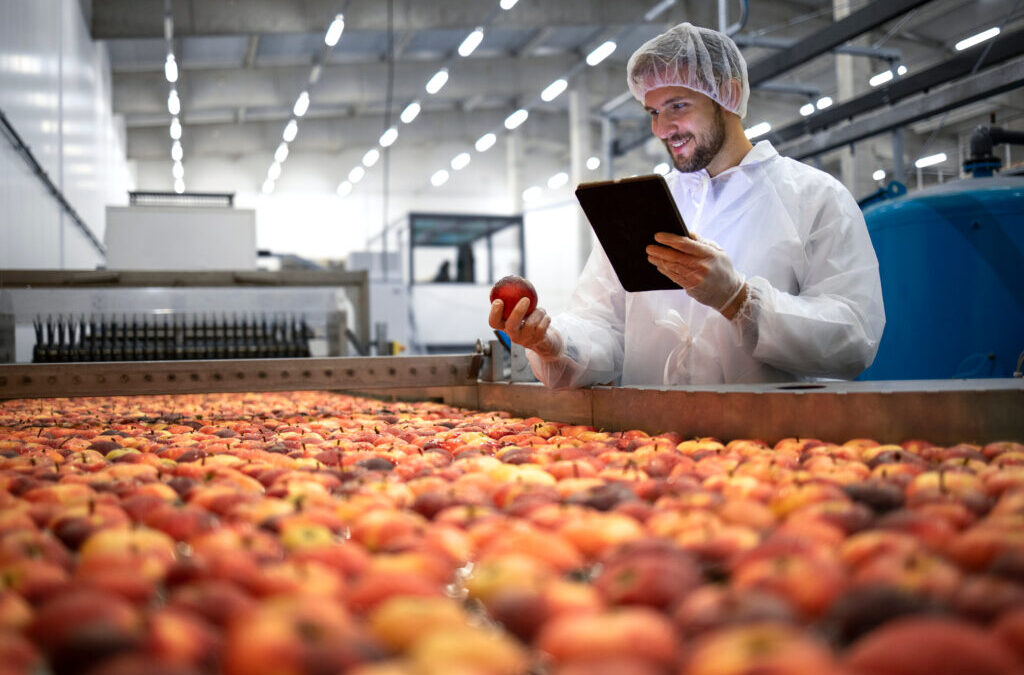
Maintaining precise and reliable sensor data is critical for food manufacturers aiming to meet quality, safety, and regulatory standards. Over time, sensors used in food processing environments can experience sensor drift, a phenomenon where readings gradually deviate from their true values. This can lead to inconsistent product quality, increased waste, and even compliance issues. Understanding how to analyze sensor drift in food manufacturing and applying effective correction strategies is essential for optimizing operations and ensuring consumer safety.
Sensor drift is often subtle and may go unnoticed until it causes significant process deviations. Factors such as temperature fluctuations, humidity, sensor aging, and exposure to harsh cleaning chemicals can all contribute. Early detection and correction not only protect product integrity but also support predictive maintenance initiatives, reducing downtime and costs.
For those interested in related topics, exploring the benefits of predictive maintenance for refrigeration units can provide further insights into how predictive strategies enhance food manufacturing reliability.
Understanding Sensor Drift and Its Impact on Food Processing
Sensor drift refers to the gradual change in a sensor’s output when the measured variable remains constant. In food manufacturing, this can affect temperature sensors, pH meters, humidity probes, and other critical instruments. Over time, drift can cause inaccurate readings, leading to improper cooking, fermentation, or storage conditions.
The consequences of unaddressed drift include:
- Product quality issues: Inaccurate measurements can result in undercooked or overcooked products, off-flavors, or texture problems.
- Regulatory non-compliance: Food safety regulations require precise monitoring and documentation. Drift can jeopardize compliance and lead to recalls.
- Increased operational costs: Faulty readings may cause unnecessary rework, waste, or equipment downtime.
Common Causes of Sensor Drift in Food Manufacturing Environments
Several factors contribute to sensor drift in food production facilities:
- Environmental conditions: High humidity, temperature swings, and exposure to cleaning agents can degrade sensor components.
- Sensor aging: Over time, sensor materials may break down or lose sensitivity, especially in harsh environments.
- Mechanical stress: Vibration, impacts, or improper installation can affect sensor calibration.
- Electrical interference: Nearby equipment or poor wiring can introduce noise, causing gradual output changes.
Recognizing these causes is the first step in developing an effective monitoring and maintenance plan.

Methods for Detecting and Analyzing Sensor Drift
Detecting drift early is crucial for minimizing its impact. Here are some practical approaches for analyzing sensor drift in food manufacturing:
- Regular calibration checks: Compare sensor readings against known standards at scheduled intervals. Significant deviations may indicate drift.
- Trend analysis: Use software to track sensor outputs over time. Gradual changes in baseline values can signal drift.
- Cross-verification: Install redundant sensors or use reference measurements to validate critical readings.
- Statistical process control (SPC): Apply SPC charts to monitor sensor data. Out-of-control points or shifts in mean values can reveal drift.
Many manufacturers now leverage digital solutions and IoT platforms to automate drift detection. These systems can alert operators when readings fall outside expected ranges, enabling prompt investigation.
Best Practices for Correcting Sensor Drift
Once drift is identified, corrective actions should be taken promptly to restore measurement accuracy. Effective correction strategies include:
- Recalibration: Adjust the sensor output to match a known reference. This is often the fastest way to restore accuracy.
- Sensor replacement: If recalibration fails or drift recurs frequently, replacing the sensor may be necessary.
- Environmental controls: Minimize exposure to extreme temperatures, moisture, or chemicals to extend sensor life.
- Routine maintenance: Clean sensors regularly and inspect for signs of wear or damage.
Document all corrective actions and maintain calibration records for audits and regulatory compliance.

Integrating Predictive Maintenance and Digital Tools
Modern food manufacturers are increasingly adopting predictive maintenance and digital monitoring to manage sensor drift proactively. By integrating sensors with data analytics platforms, facilities can:
- Receive real-time alerts about abnormal sensor behavior
- Predict when recalibration or replacement is needed
- Reduce unplanned downtime and maintenance costs
For a deeper dive into predictive strategies, consider reading about the role of robotics in predictive packaging lines and how automation can further enhance maintenance efficiency.
Additionally, external resources such as this overview of predictive maintenance in food and beverage manufacturing provide valuable perspectives on industry best practices.
Ensuring Compliance and Quality Through Sensor Management
Maintaining accurate sensor data is not just about operational efficiency—it’s a regulatory requirement. Food safety standards, such as those from the FDA or local authorities, mandate regular calibration and documentation of critical control points. Failing to address sensor drift can result in failed audits, product recalls, and reputational damage.
Implementing a robust sensor management program that includes scheduled calibration, real-time monitoring, and thorough recordkeeping is essential for compliance and continuous improvement.
FAQ: Sensor Drift in Food Manufacturing
What are the first signs of sensor drift in a food processing facility?
Early signs include unexpected changes in product quality, frequent process adjustments, or discrepancies between sensor readings and manual measurements. Regular data reviews can help spot these issues before they escalate.
How often should sensors be calibrated in food manufacturing?
Calibration frequency depends on the sensor type, usage, and environment. Critical sensors may require weekly or monthly checks, while others can be calibrated quarterly. Always follow manufacturer recommendations and regulatory guidelines.
Can digital solutions completely eliminate sensor drift?
While digital monitoring and predictive analytics can detect and alert operators to drift, they cannot prevent it entirely. Regular maintenance, environmental controls, and timely sensor replacement remain necessary for long-term accuracy.
Conclusion: Building a Proactive Approach to Sensor Accuracy
Addressing how to analyze sensor drift in food manufacturing is essential for maintaining product quality, ensuring safety, and meeting regulatory demands. By understanding the causes, implementing robust detection methods, and leveraging predictive maintenance tools, food manufacturers can minimize the risks associated with sensor drift. Proactive management not only protects the bottom line but also builds consumer trust in every product that leaves the facility.