
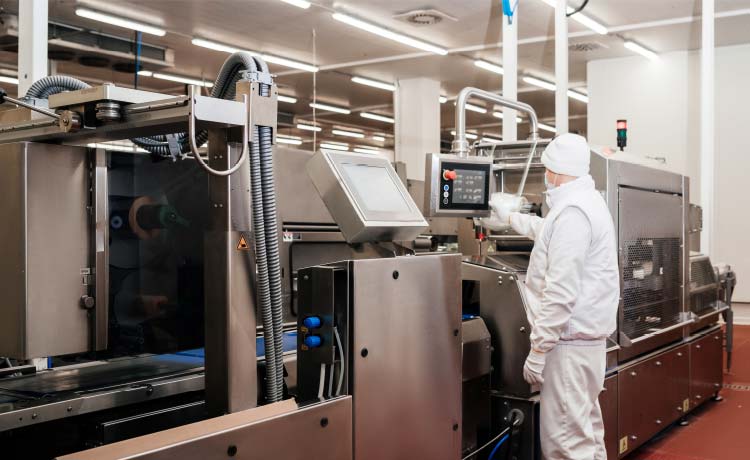
Automated food processing lines rely heavily on conveyor systems to move products efficiently and safely. However, even minor misalignments in conveyor belts can lead to product loss, equipment wear, contamination risks, and costly downtime. As food manufacturers seek to maximize uptime, ensure product quality, and comply with safety standards, the need for reliable, real-time detection of belt misalignment has become more critical than ever.
This guide explores practical methods and technologies for how to detect belt misalignment automatically in food production environments. We’ll look at why early detection matters, review the latest sensor and vision-based solutions, and provide actionable steps for integrating automated monitoring into your facility. For those interested in broader process optimization, you may also want to read about benefits of predictive analytics for aquaculture processing, which shares related insights on predictive maintenance in food industries.
Why Automated Misalignment Detection Is Essential in Food Processing
A misaligned conveyor belt can cause a range of operational issues. In food processing, these problems are magnified due to strict hygiene requirements and the need for consistent throughput. Manual inspection is often unreliable and labor-intensive, especially in high-speed or hard-to-access areas. By implementing automatic belt misalignment detection, facilities can:
- Reduce unplanned downtime by catching issues before they escalate
- Minimize product waste and contamination from off-track belts
- Extend equipment life by preventing excessive wear on pulleys and bearings
- Enhance worker safety by reducing manual intervention
- Support compliance with food safety and traceability standards
Integrating automated solutions not only improves operational efficiency but also helps maintain the high standards demanded in the food industry.
Key Technologies for Automatic Belt Tracking
There are several proven approaches for how to detect belt misalignment automatically on production lines. The most common technologies include:
1. Contact Sensors and Mechanical Switches
Traditional methods use mechanical devices such as limit switches or roller arms that physically detect when a belt deviates from its intended path. When the belt touches the sensor, it triggers an alarm or stops the line.
- Advantages: Simple, cost-effective, and easy to retrofit
- Limitations: Wear and tear, potential for false positives, and not suitable for all food environments due to hygiene concerns
2. Non-Contact Sensors (Photoelectric, Ultrasonic, Laser)
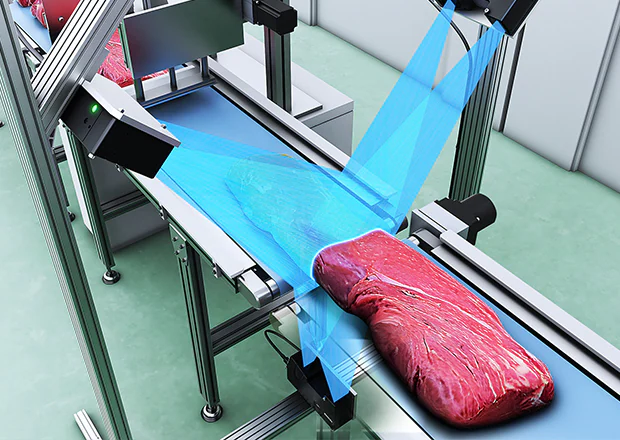
Non-contact sensors are increasingly popular in food processing because they avoid direct contact with belts and products. These sensors use light, sound, or laser beams to monitor belt position and detect deviations.
- Photoelectric sensors: Detect the presence or absence of the belt edge using a light beam
- Ultrasonic sensors: Measure the distance to the belt and identify lateral shifts
- Laser displacement sensors: Offer precise, real-time tracking of belt position
These options are hygienic, reliable, and suitable for washdown environments.
3. Machine Vision and Edge AI
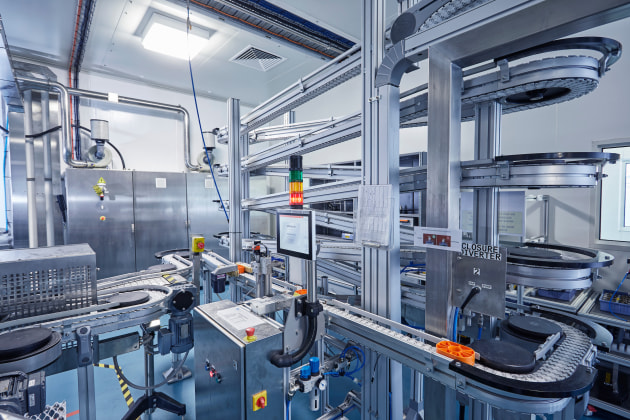
Advanced food lines are adopting machine vision systems powered by edge AI to monitor conveyor belts. High-resolution cameras capture continuous images of the belt, while AI algorithms analyze these images for signs of misalignment, wear, or damage.
- Benefits: Non-intrusive, highly accurate, and capable of monitoring multiple belts simultaneously
- Additional features: Can detect other issues such as belt fraying, contamination, or foreign objects
Machine vision is especially valuable for complex or high-speed lines where traditional sensors may struggle. For more on the use of AI in food processing, see this detailed overview of AI-powered predictive maintenance in food manufacturing.
Implementing Automated Belt Tracking in Food Environments
To successfully deploy automatic belt misalignment detection in a food production setting, consider the following steps:
- Assess your conveyor systems: Identify critical points where misalignment is most likely to occur, such as transfer zones, curves, or long runs.
- Select appropriate detection technology: Choose between mechanical, non-contact, or vision-based systems based on your hygiene requirements, belt type, and production speed.
- Integrate with existing controls: Ensure that sensors or vision systems can communicate with your PLCs or SCADA systems for real-time alerts and automated responses.
- Plan for maintenance and calibration: Schedule regular checks to ensure sensors remain accurate and free from debris or misalignment themselves.
- Train staff: Provide training on how to interpret alerts and respond appropriately to minimize downtime.
Best Practices for Reliable Belt Alignment Monitoring
To maximize the value of your automated detection system, follow these best practices:
- Position sensors strategically: Place sensors or cameras at points of highest risk, such as after cleaning stations or near belt tensioners.
- Use redundancy: For critical lines, consider dual sensors or overlapping vision fields to reduce the risk of missed events.
- Integrate with predictive analytics: Combine misalignment data with other machine health metrics for a holistic view. For example, explore strategies for reducing variability in food batches to further enhance process stability.
- Document and analyze incidents: Keep records of misalignment events to identify recurring issues and guide preventive maintenance.
Benefits of Automated Misalignment Detection
Deploying automatic belt tracking solutions offers several tangible benefits for food manufacturers:
- Consistent product flow: Reduced jams and stoppages mean smoother operations and fewer delays.
- Improved product quality: Accurate belt alignment ensures products stay on track and avoid contamination.
- Lower maintenance costs: Early detection prevents major repairs and extends the life of conveyor components.
- Enhanced traceability: Automated systems can log misalignment events, supporting food safety audits and compliance.
Integrating Detection with Broader Predictive Maintenance
Automated belt monitoring is most effective when combined with a broader predictive maintenance strategy. By collecting and analyzing data from multiple sources—such as motors, gearboxes, and environmental sensors—facilities can anticipate failures and schedule interventions proactively. This approach not only reduces downtime but also supports continuous improvement and regulatory compliance.
For more on predictive maintenance in food production, explore related topics like how to monitor gearbox health in mixers and how to automate reporting in food production plants.
FAQ: Automatic Belt Misalignment Detection in Food Lines
What are the main signs of conveyor belt misalignment?
Common indicators include uneven belt tracking, increased noise, visible belt edge wear, product spillage, and frequent stoppages. Automated systems can detect these issues earlier than manual observation.
How often should automated detection systems be calibrated?
Calibration frequency depends on the environment and sensor type. In most food processing plants, a quarterly check is recommended, but high-speed or high-washdown areas may require more frequent calibration to ensure accuracy.
Can automated misalignment detection be retrofitted to existing conveyors?
Yes, most sensor-based and vision-based solutions are designed for easy integration with existing conveyor systems. The choice of technology will depend on your specific belt type, hygiene requirements, and available control systems.
Conclusion
Automating the detection of conveyor belt misalignment is a practical step toward safer, more efficient, and compliant food production. By leveraging modern sensors, machine vision, and predictive analytics, manufacturers can minimize downtime, protect product quality, and reduce maintenance costs. As the industry continues to evolve, investing in reliable, real-time monitoring will remain a key differentiator for leading food processors.