
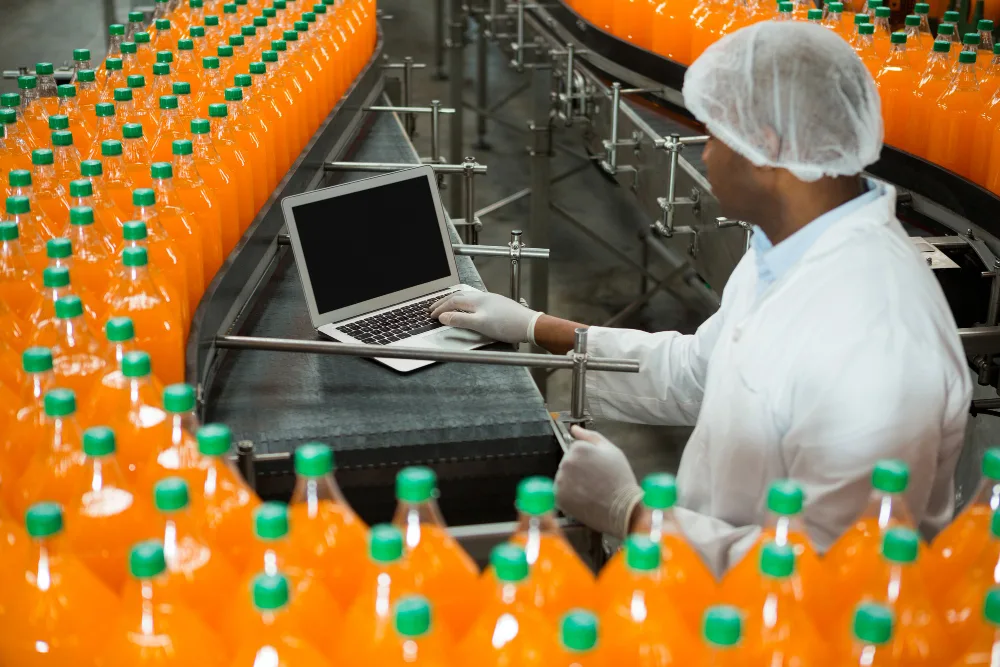
Modern food processing relies increasingly on sensor technology to ensure quality, efficiency, and safety. In meat slicing operations, sensors generate a wealth of information that can be harnessed to optimize performance, reduce waste, and maintain compliance with industry standards. Understanding how to interpret data from meat slicer sensors is essential for plant managers, maintenance teams, and quality assurance professionals aiming to make data-driven decisions.
This guide provides a practical overview of the types of data collected by meat slicer sensors, methods for analyzing this information, and actionable ways to apply insights for operational improvements. By leveraging sensor data, facilities can enhance productivity, minimize downtime, and improve product consistency. For those interested in broader predictive maintenance strategies, exploring the benefits of predictive maintenance for refrigeration units can offer additional context on how sensor data supports food manufacturing operations.
Understanding Sensor Types and Collected Data
Meat slicers in industrial settings are equipped with a range of sensors, each designed to monitor specific parameters. The most common include:
- Blade speed sensors: Track the rotation speed to ensure consistent slicing and prevent overheating.
- Thickness sensors: Measure the thickness of each slice, ensuring uniformity and compliance with product specifications.
- Temperature sensors: Monitor the temperature of both the blade and the meat, crucial for food safety and equipment longevity.
- Load cells: Detect the force applied during slicing, helping to identify mechanical issues or product inconsistencies.
- Vibration and acoustic sensors: Identify abnormal vibrations or sounds that may indicate wear, misalignment, or impending failure.
Each sensor generates continuous streams of data, which are typically logged by a central control system. This information forms the foundation for analysis and actionable insights.

Key Steps to Analyze Meat Slicer Sensor Information
To make the most of sensor data, it’s important to follow a systematic approach. Here are the main steps for interpreting and utilizing the information collected from meat slicer sensors:
-
Data Collection and Validation
Ensure that all sensors are calibrated and functioning correctly. Regularly validate data streams to detect anomalies caused by sensor drift or hardware faults. -
Data Visualization
Use dashboards or specialized software to visualize trends over time. Graphs showing blade speed, slice thickness, and temperature can quickly highlight deviations from normal operating ranges. -
Threshold Setting
Establish acceptable ranges for each parameter. For example, set maximum and minimum allowable blade speeds or temperature limits based on manufacturer recommendations and food safety standards. -
Alerting and Root Cause Analysis
Configure alerts for out-of-range values. When an alert is triggered, investigate the root cause—such as mechanical wear, improper setup, or product variation. -
Historical Data Review
Analyze historical sensor data to identify patterns, such as gradual increases in vibration indicating bearing wear or recurring temperature spikes linked to cleaning cycles.
This structured process helps teams move from raw data to actionable insights, supporting both immediate troubleshooting and long-term process improvements.
Applying Sensor Insights to Improve Slicing Operations
Once data is interpreted, the next step is to apply insights to daily operations. Here are several practical ways to use sensor information for better outcomes:
- Optimizing Blade Maintenance: By monitoring vibration and load data, maintenance teams can schedule blade sharpening or replacement before performance declines, reducing unplanned downtime.
- Ensuring Product Consistency: Thickness sensors help maintain uniform slices, which is critical for packaging and customer satisfaction. Deviations can be flagged for immediate correction.
- Enhancing Food Safety: Temperature sensors ensure that meat and equipment stay within safe ranges, reducing the risk of microbial growth. For more on predictive food safety, see how to minimize microbial growth with predictive models.
- Reducing Waste: Real-time feedback allows operators to adjust settings on the fly, minimizing off-spec product and material loss.
- Supporting Predictive Maintenance: Analyzing sensor trends enables predictive maintenance strategies, which can be further explored in resources like this overview of predictive maintenance in the food industry.

Integrating Sensor Data with Other Food Processing Systems
Sensor data from meat slicers becomes even more valuable when integrated with broader plant systems. By connecting slicer data to manufacturing execution systems (MES) or enterprise resource planning (ERP) platforms, facilities can:
- Correlate slicing performance with upstream and downstream processes
- Automate quality reporting and compliance documentation
- Trigger maintenance work orders based on predictive analytics
- Share data with packaging and refrigeration units for holistic optimization
For example, integrating slicer sensor data with robotics in predictive packaging lines enables seamless handoff between slicing and packaging, reducing bottlenecks and improving throughput.
Best Practices for Reliable Sensor Data Interpretation
To consistently gain value from sensor data, food processors should adopt several best practices:
- Regular Sensor Calibration: Schedule periodic calibration to maintain data accuracy.
- Staff Training: Ensure operators and maintenance personnel understand how to interpret sensor readouts and respond appropriately.
- Data Security and Backup: Protect sensor data from loss or tampering by implementing secure storage and regular backups.
- Continuous Improvement: Use insights from sensor data to drive ongoing process improvements, not just reactive fixes.
Facilities that follow these guidelines are better positioned to maintain high standards of quality, safety, and efficiency.
FAQ
What are the most important parameters to monitor on a meat slicer?
Key parameters include blade speed, slice thickness, temperature, load, and vibration. Monitoring these ensures consistent product quality, equipment longevity, and food safety.
How often should sensor data be reviewed?
Sensor data should be reviewed in real time for critical parameters and at least daily for trend analysis. Regular reviews help catch issues early and support predictive maintenance.
Can sensor data help reduce unplanned downtime?
Yes, by analyzing trends and setting alerts for abnormal readings, teams can address potential failures before they cause breakdowns, significantly reducing unplanned downtime.
Is it possible to automate corrective actions based on sensor data?
Many modern systems allow for automated adjustments or maintenance triggers based on sensor readings, especially when integrated with MES or ERP platforms.
How does sensor data support food safety compliance?
By continuously monitoring temperature and other critical parameters, sensor data provides documentation and real-time assurance that food safety standards are being met.