
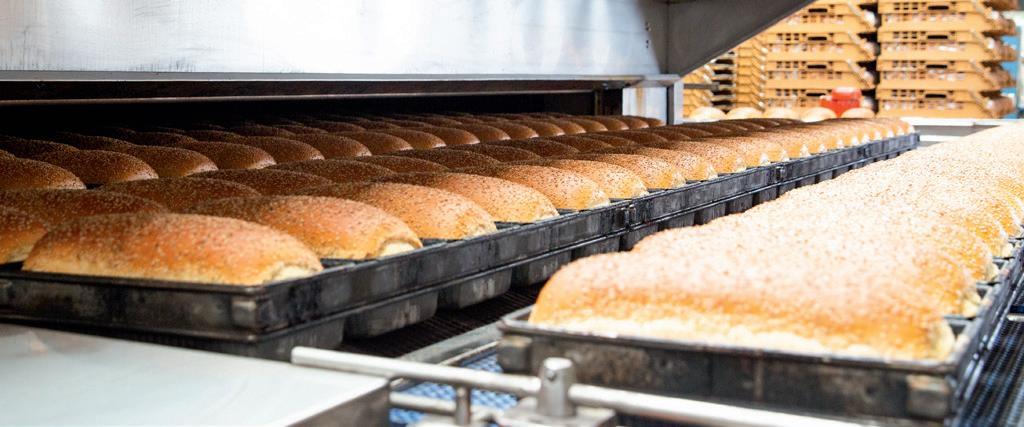
Maintaining the right humidity levels in bread proofing rooms is essential for consistent dough fermentation, optimal texture, and high-quality baked goods. Modern bakeries and food production facilities increasingly rely on sensor technology to monitor and control these conditions. Understanding how to track humidity in bread proofing rooms with sensors can help ensure product quality, reduce waste, and improve operational efficiency.
This article explores the fundamentals of humidity monitoring in proofing environments, the types of sensors available, installation best practices, and how to use sensor data for process optimization. We’ll also highlight how predictive maintenance and data-driven quality control can further enhance your bakery’s performance. For a deeper dive into related topics, see our guide on predictive maintenance for industrial deep fryers for insights on equipment reliability in food production.
Why Humidity Matters in Bread Proofing
The proofing stage is where dough rises before baking. During this phase, relative humidity must be carefully controlled—typically between 75% and 85%—to prevent the dough from drying out or becoming too sticky. Incorrect humidity can lead to uneven fermentation, poor crust formation, and inconsistent crumb structure.
By using sensors to monitor these conditions, bakeries can:
- Ensure uniform product quality batch after batch
- Reduce the risk of spoilage and waste
- Optimize energy usage by avoiding over-humidification
- Comply with food safety and quality standards
Types of Sensors for Monitoring Humidity
There are several sensor technologies suitable for tracking moisture in proofing environments. The most common include:
- Capacitive humidity sensors: These measure changes in electrical capacitance caused by moisture in the air. They are accurate, fast-responding, and widely used in food processing.
- Resistive humidity sensors: These work by measuring the change in electrical resistance as humidity varies. They are robust and cost-effective, though sometimes less precise than capacitive types.
- Dew point sensors: These determine the temperature at which air becomes saturated with moisture, providing a direct measure of air moisture content. They are ideal for environments where both temperature and humidity must be tightly controlled.
Each sensor type has its advantages. For most bakeries, capacitive sensors offer a good balance of accuracy and durability, especially in environments with frequent cleaning or temperature fluctuations.
Installing and Calibrating Sensors in Proofing Rooms
Proper installation is crucial for accurate readings. Here are some best practices for deploying humidity sensors in bread proofing areas:
- Placement: Install sensors at dough height and away from direct airflow or heating elements to avoid skewed readings.
- Protection: Use protective housings to shield sensors from flour dust, steam, and cleaning chemicals.
- Calibration: Regularly calibrate sensors according to manufacturer guidelines. Calibration ensures long-term accuracy and reliability.
- Redundancy: In larger rooms, use multiple sensors to account for microclimates and ensure comprehensive monitoring.
Integrating sensors with your facility’s control systems allows for real-time adjustments to humidifiers, dehumidifiers, and HVAC equipment, maintaining optimal proofing conditions automatically.
Data Logging and Remote Monitoring
Modern humidity sensors often feature data logging and remote monitoring capabilities. These features provide several advantages:
- Historical analysis: Track trends over time to identify patterns or recurring issues.
- Alerts: Receive notifications if humidity drifts outside the desired range, enabling rapid intervention.
- Compliance: Maintain digital records for audits and quality assurance documentation.
Cloud-based systems can centralize data from multiple proofing rooms, supporting better decision-making and easier troubleshooting. For bakeries looking to extend these benefits to other production areas, exploring ways to reduce cycle times with predictive scheduling can further streamline operations.

Integrating Humidity Data with Quality Control
Sensor data isn’t just for real-time monitoring—it’s a valuable resource for quality control and process improvement. By analyzing humidity logs alongside product outcomes, bakeries can:
- Identify optimal proofing conditions for different recipes
- Correlate humidity fluctuations with product defects
- Develop standard operating procedures for consistent results
Advanced bakeries may use multivariate analysis to combine humidity data with other variables, such as temperature and fermentation time. For more on this approach, see our article on how to use multivariate analysis for food quality.
Maintenance and Troubleshooting of Humidity Sensors
Regular maintenance is essential to keep sensors functioning accurately. Common maintenance tasks include:
- Cleaning sensor surfaces to remove dust and residue
- Checking for condensation or water ingress in sensor housings
- Recalibrating sensors at recommended intervals
- Replacing sensors that show signs of drift or failure
Implementing a predictive maintenance program can help anticipate sensor issues before they impact production. For a practical overview, consult this infographic on launching a predictive maintenance program in food production.
Best Practices for Sensor-Based Humidity Tracking
To maximize the benefits of sensor-based monitoring in proofing rooms, consider these best practices:
- Choose sensors rated for food processing environments
- Integrate humidity monitoring with your facility’s automation and control systems
- Train staff on interpreting sensor data and responding to alerts
- Document all calibration and maintenance activities
- Review historical data regularly to drive continuous improvement
By following these guidelines, bakeries can ensure consistent product quality, reduce downtime, and maintain compliance with industry standards.
Frequently Asked Questions
What is the ideal humidity range for bread proofing rooms?
The recommended relative humidity for proofing dough is typically between 75% and 85%. This range prevents the dough from drying out while avoiding excessive stickiness or over-fermentation.
How often should humidity sensors be calibrated in bakery environments?
Calibration frequency depends on the sensor type and manufacturer recommendations. In most bakeries, calibration every three to six months is standard, but high-usage or harsh environments may require more frequent checks.
Can humidity sensors be integrated with automated control systems?
Yes, most modern humidity sensors can be connected to building management or process control systems. This integration allows for automatic adjustments to humidifiers, dehumidifiers, and HVAC equipment, ensuring optimal proofing conditions without manual intervention.
Conclusion
Accurate tracking of humidity in proofing rooms is a cornerstone of successful bakery operations. By selecting the right sensors, installing them correctly, and leveraging data for continuous improvement, bakeries can achieve consistent quality and operational efficiency. For further insights into securing production data, see our resource on how to secure data on connected food lines.