
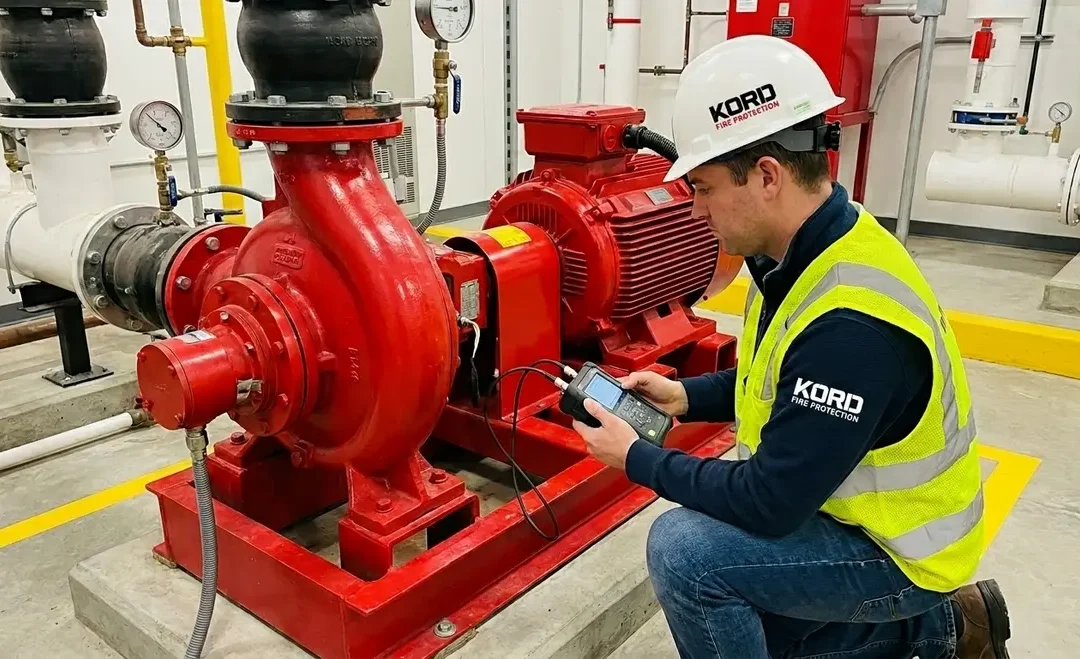
Vibration is an unavoidable aspect of most industrial environments. Whether generated by rotating machinery, reciprocating engines, or external sources, these oscillations can have a significant impact on the performance, lifespan, and reliability of manufacturing assets. Understanding how vibration affects manufacturing equipment is essential for plant managers, maintenance teams, and engineers seeking to minimize downtime, reduce costs, and ensure safe operations.
Over time, even minor vibrations can lead to cumulative damage, affecting everything from bearings and shafts to structural supports and sensitive electronics. By recognizing the causes, consequences, and mitigation strategies associated with vibration, organizations can take proactive steps to protect their investments and maintain productivity.
For those interested in sector-specific insights, our resource on vibration analysis for power plants explores how monitoring critical assets can prevent costly failures and optimize performance in energy facilities.
Common Sources of Vibration in Industrial Settings
Manufacturing environments are filled with equipment and processes that generate vibration. Some of the most frequent sources include:
- Rotating machinery such as motors, pumps, compressors, and fans.
- Imbalances in rotating parts, leading to uneven distribution of mass.
- Misalignment of shafts, couplings, or pulleys.
- Loose or worn mechanical components.
- External influences like nearby construction, heavy vehicle traffic, or seismic activity.
Each of these factors can contribute to the overall vibration profile experienced by manufacturing equipment. Over time, the effects accumulate, making it crucial to monitor and address vibration at its source.
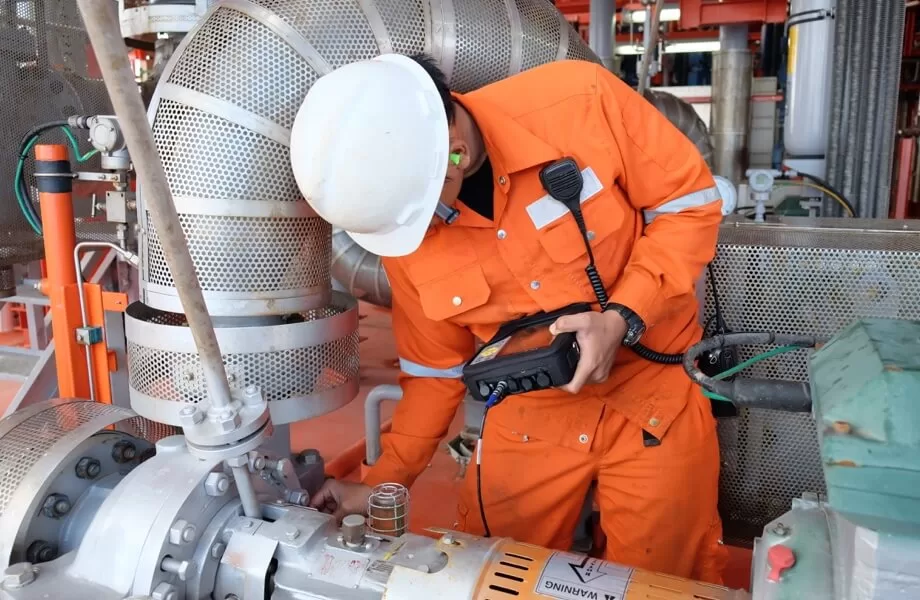
Long-Term Impact of Vibration on Equipment Health
The gradual effects of vibration on manufacturing assets can be both direct and indirect. Here are some of the most common ways vibration can degrade equipment over time:
- Bearing Wear: Excessive oscillations accelerate bearing fatigue, leading to premature failure and increased maintenance costs.
- Shaft Misalignment: Persistent vibration can cause shafts to move out of alignment, resulting in uneven loading and mechanical stress.
- Loosening of Fasteners: Bolts, nuts, and other fasteners may gradually loosen, compromising structural integrity and safety.
- Cracks and Structural Damage: Repeated stress cycles can initiate microcracks in metal and welds, eventually leading to catastrophic failure.
- Electrical Component Damage: Sensitive electronics, sensors, and wiring can suffer from vibration-induced fatigue, leading to intermittent faults or total breakdown.
These issues not only reduce equipment lifespan but also increase the risk of unplanned outages, safety incidents, and costly repairs. In industries where uptime is critical, such as food processing or mining, the consequences of ignoring vibration can be severe.
How Vibration Affects Manufacturing Equipment Performance
Beyond physical damage, vibration can also impact the operational efficiency of manufacturing systems. Some of the most notable effects include:
- Reduced Precision: Vibrations can interfere with machining accuracy, assembly tolerances, and product quality.
- Increased Energy Consumption: Misaligned or imbalanced components require more energy to operate, raising operational costs.
- Noise and Environmental Concerns: Excessive vibration often results in increased noise levels, which can affect worker comfort and regulatory compliance.
- Process Instability: In continuous production lines, vibration can cause jams, misfeeds, or inconsistent throughput.
Addressing these performance issues requires a combination of regular monitoring, timely maintenance, and, where necessary, equipment upgrades or redesigns.
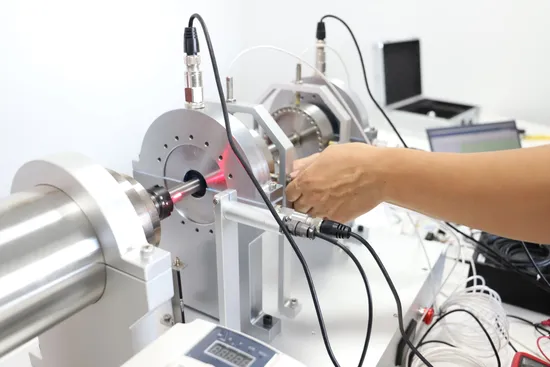
Monitoring and Analyzing Vibration for Predictive Maintenance
One of the most effective ways to mitigate the risks associated with vibration is through regular monitoring and analysis. Predictive maintenance strategies leverage vibration data to detect early warning signs of equipment degradation, allowing for targeted interventions before failures occur.
Key steps in a successful vibration monitoring program include:
- Baseline Measurement: Establishing normal vibration levels for each asset under typical operating conditions.
- Continuous or Periodic Monitoring: Using sensors and data loggers to track changes in vibration over time.
- Data Interpretation: Applying techniques such as machine vibration data interpretation to distinguish between normal fluctuations and signs of trouble.
- Root Cause Analysis: Investigating abnormal readings to identify underlying issues, such as imbalance, misalignment, or component wear.
- Corrective Action: Scheduling maintenance or repairs based on data-driven insights, minimizing unnecessary downtime.
Industries with specialized equipment, such as textile machinery or food processing equipment, often require tailored approaches to vibration analysis to address unique operational challenges.
Best Practices for Reducing Vibration-Related Damage
While some level of vibration is inevitable, there are several strategies manufacturers can use to limit its negative effects:
- Regular Balancing: Ensure rotating components are properly balanced to minimize oscillations.
- Precision Alignment: Use laser or dial indicators to align shafts, pulleys, and couplings accurately.
- Routine Inspections: Check for signs of wear, looseness, or damage during scheduled maintenance.
- Use of Dampers and Isolators: Install vibration-damping mounts or pads to absorb and dissipate energy.
- Employee Training: Educate staff on the importance of vibration control and early detection of issues.
Implementing these best practices can significantly extend equipment life, improve safety, and reduce the likelihood of unexpected breakdowns.
Industry Applications and Case Studies
The impact of vibration is not limited to a single sector. From mining and power generation to textiles and food processing, every industry faces unique challenges related to oscillatory forces. For example, vibration analysis for mining equipment focuses on maximizing reliability in harsh underground environments, while food processors prioritize hygiene and uptime.
For those new to the topic or seeking a deeper understanding, the beginner’s guide to predictive maintenance through vibration analysis offers a comprehensive overview of how vibration monitoring can transform maintenance strategies across industries.
FAQ
What are the first signs that vibration is damaging my equipment?
Early indicators include unusual noises, increased heat, visible wear on bearings or couplings, and a rise in vibration levels detected by sensors. Over time, you may also notice decreased performance or frequent need for adjustments.
How often should vibration monitoring be performed?
The frequency depends on the criticality of the asset and operating conditions. High-value or mission-critical equipment may require continuous monitoring, while less critical assets can be checked monthly or quarterly as part of routine maintenance.
Can vibration issues be prevented entirely?
While it is impossible to eliminate all vibration, its effects can be greatly reduced through regular maintenance, proper installation, and the use of vibration-damping technologies. Early detection and intervention are key to preventing long-term damage.