
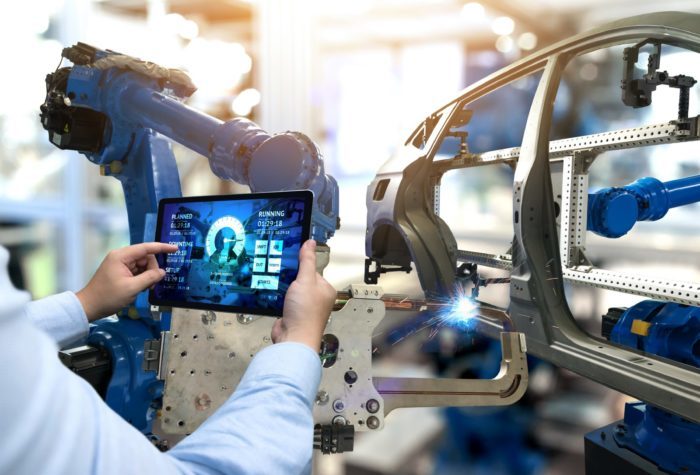
Virtual commissioning is transforming the way modern factories design, test, and deploy automation systems. By using digital twins and simulation technologies, manufacturers can validate and optimize their production lines before any physical equipment is installed. This approach reduces costly errors, shortens project timelines, and improves overall system reliability. In this article, we’ll break down the process, benefits, and key considerations for implementing virtual commissioning in industrial environments.
Understanding how virtual commissioning works in factories is essential for plant managers, automation engineers, and anyone involved in industrial automation projects. As factories become smarter and more connected, leveraging digital tools for commissioning is quickly becoming a best practice. If you’re interested in related topics, you might also explore motion blur settings for beginners to see how digital simulation impacts other fields.
What Is Virtual Commissioning?
Virtual commissioning refers to the use of computer-based models and simulations to test and validate the behavior of automation systems before they are physically built or installed. This process involves creating a digital twin of the production line, which mirrors the real-world equipment, logic, and control systems. Engineers can then run scenarios, identify issues, and optimize performance in a risk-free virtual environment.
Traditionally, commissioning required physical hardware and on-site testing, often leading to unexpected delays and troubleshooting. With virtual commissioning, much of this work is shifted to the design phase, allowing teams to resolve problems early and ensure a smoother transition to actual production.
Key Steps in the Virtual Commissioning Process
To understand how virtual commissioning works in factories, it’s helpful to break down the main steps involved:
- System Modeling: Engineers create detailed digital representations of machinery, robotics, conveyors, sensors, and control logic using specialized software.
- Integration of Control Logic: The virtual models are connected to the same PLC (Programmable Logic Controller) code or automation software that will operate the real equipment.
- Simulation and Testing: The virtual environment is used to simulate production scenarios, test control sequences, and validate safety protocols.
- Debugging and Optimization: Any errors or inefficiencies are identified and corrected in the digital model, reducing the risk of issues during physical commissioning.
- Deployment: Once the virtual tests are successful, the validated control logic and system design are transferred to the real-world factory floor.
This approach allows for parallel development—while the physical equipment is being built or installed, the automation logic and system integration can be perfected virtually.

Benefits of Using Digital Twins for Factory Commissioning
The adoption of virtual commissioning in manufacturing brings several significant advantages:
- Reduced Downtime: By identifying and fixing problems before physical deployment, factories experience fewer unexpected stoppages during startup.
- Faster Time-to-Production: Parallel development and early validation accelerate project timelines, allowing new lines or upgrades to go live sooner.
- Cost Savings: Minimizing rework, travel, and on-site troubleshooting leads to lower overall project costs.
- Improved Safety: Simulating hazardous scenarios in a virtual space helps validate safety protocols without putting personnel or equipment at risk.
- Enhanced Collaboration: Teams can work together remotely, sharing models and simulation results, which is especially valuable for global projects.
For a deeper look at how smart technologies are shaping modern manufacturing, see this comprehensive guide to smart factories.
Simulation Tools and Technologies
A variety of software platforms support virtual commissioning, each offering different features for modeling, simulation, and integration. Common tools include Siemens Tecnomatix, Rockwell Automation’s Emulate3D, and Dassault Systèmes’ DELMIA. These platforms allow engineers to:
- Build 3D models of equipment and production lines
- Import and test PLC code directly in the simulation
- Visualize material flow, robot movements, and process timing
- Analyze system bottlenecks and optimize layouts
The choice of tool depends on the complexity of the project, the types of equipment involved, and the preferred automation platforms.
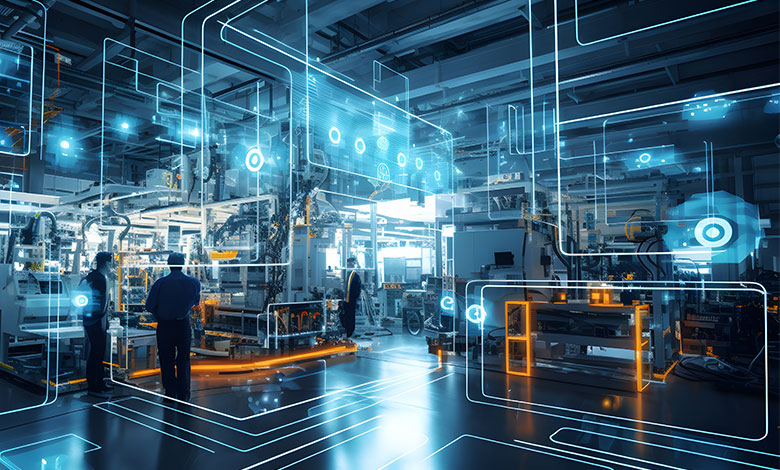
Challenges and Considerations for Implementation
While the advantages are clear, there are also challenges to consider when adopting virtual commissioning in an industrial setting:
- Model Accuracy: The effectiveness of the simulation depends on how accurately the digital twin reflects the real-world system. Incomplete or outdated data can lead to missed issues.
- Integration Complexity: Connecting simulation tools with actual PLCs, robots, and other automation components may require specialized expertise.
- Initial Investment: There are upfront costs for software, training, and model development, though these are often offset by downstream savings.
- Change Management: Shifting to a digital-first commissioning process may require cultural and organizational adjustments.
Despite these hurdles, many manufacturers find that the long-term benefits far outweigh the initial challenges, especially as digital transformation continues to accelerate across the industry.
Real-World Applications and Industry Trends
Virtual commissioning is being adopted across a range of sectors, from automotive and electronics to food processing and pharmaceuticals. Leading companies are using digital twins to launch new production lines, retrofit existing equipment, and even train operators in a simulated environment.
The trend is closely tied to the rise of Industry 4.0 and the smart factory movement, where connectivity, data analytics, and automation work together to create more agile and efficient manufacturing systems. As more factories embrace these technologies, the use of virtual commissioning is expected to become standard practice.
If you’re interested in creative uses of digital simulation and motion in other fields, you may want to check out motion blur creative inspiration for artists and photographers.
Best Practices for Successful Virtual Commissioning
To maximize the value of virtual commissioning, consider these best practices:
- Start Early: Integrate simulation and digital twin development at the earliest stages of project planning.
- Collaborate Across Teams: Involve mechanical, electrical, and controls engineers, as well as operators, to ensure all perspectives are considered.
- Keep Models Updated: Regularly update digital twins to reflect design changes and lessons learned from previous projects.
- Document Everything: Maintain clear records of simulation results, changes, and final validated logic for future reference.
- Invest in Training: Ensure your team has the skills needed to use simulation tools effectively.
Frequently Asked Questions
What is the main difference between virtual and traditional commissioning?
Traditional commissioning requires physical hardware and on-site testing, often leading to delays and troubleshooting during installation. Virtual commissioning uses digital twins and simulation to validate systems before deployment, reducing errors and speeding up project timelines.
Can virtual commissioning be used for existing production lines?
Yes, digital twins can be created for both new and existing lines. This allows manufacturers to test upgrades, retrofits, or process changes in a virtual environment before making physical modifications.
What skills are needed to implement virtual commissioning?
Teams should have expertise in automation engineering, simulation software, PLC programming, and system integration. Training in digital twin technology and cross-disciplinary collaboration is also valuable.
How does virtual commissioning improve factory safety?
By simulating hazardous scenarios and validating safety protocols virtually, teams can identify and resolve risks without exposing personnel or equipment to danger during physical testing.
Conclusion
Adopting virtual commissioning offers manufacturers a powerful way to optimize automation projects, reduce costs, and improve reliability. As factories continue to evolve toward smarter, more connected operations, digital simulation and testing will play a central role in ensuring successful deployments. By understanding the process, leveraging the right tools, and following best practices, organizations can unlock significant value and stay ahead in the rapidly changing world of industrial automation.