
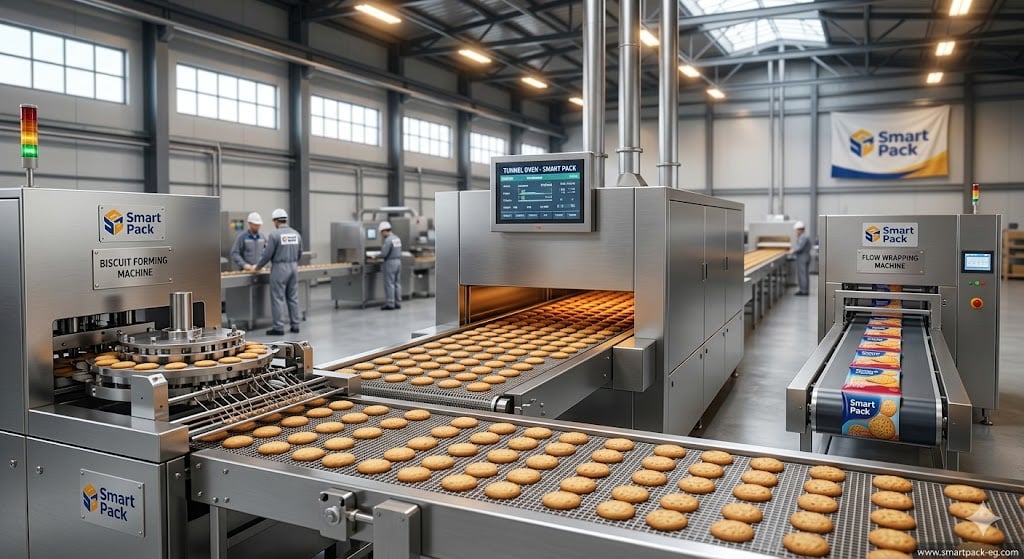
As the food industry evolves, manufacturers are increasingly turning to advanced technologies to optimize operations, improve product quality, and ensure food safety. Understanding what are the components of a smart food factory is crucial for businesses aiming to stay competitive and compliant in a rapidly changing landscape. This guide explores the core elements that define a modern, intelligent food production facility, highlighting the systems, technologies, and practices that enable efficiency, traceability, and adaptability.
From integrated automation to real-time data analytics, each component plays a vital role in transforming traditional food processing into a connected, responsive environment. By adopting these innovations, companies can not only streamline production but also address regulatory demands and consumer expectations for transparency and safety.
For example, leveraging benefits of automated visual inspection systems can significantly improve quality assurance and reduce human error. Let’s examine the foundational building blocks that make a food factory truly “smart.”
Core Technologies Powering Intelligent Food Manufacturing
At the heart of any advanced food production facility are interconnected systems that automate processes, monitor conditions, and facilitate decision-making. These core technologies form the backbone of a smart operation, enabling seamless communication and control across every stage of manufacturing.
Automation and Robotics
Automated machinery and robotics are essential for increasing throughput, consistency, and safety. From ingredient handling to packaging, robots can perform repetitive or hazardous tasks with precision. Automation reduces manual intervention, minimizes contamination risks, and ensures products meet strict quality standards.
- Robotic arms for picking, placing, and packaging
- Automated guided vehicles (AGVs) for material transport
- Programmable logic controllers (PLCs) for process control
Industrial Internet of Things (IIoT) Integration
IIoT connects machines, sensors, and devices throughout the facility, enabling real-time data collection and remote monitoring. This connectivity allows for predictive maintenance, energy optimization, and rapid response to anomalies. Smart sensors can track temperature, humidity, and other critical parameters, ensuring optimal conditions for food safety and quality.
For instance, using sensors to track moisture levels in food helps maintain product consistency and shelf life.

Data-Driven Decision Making and Analytics
One of the defining features of a modern food production site is the ability to harness data for continuous improvement. By collecting and analyzing information from every process, manufacturers can identify inefficiencies, predict maintenance needs, and optimize resource allocation.
Manufacturing Execution Systems (MES)
MES platforms act as the digital nerve center, bridging the gap between enterprise resource planning (ERP) and the shop floor. They track production in real time, manage recipes and batch records, and provide actionable insights for operators and managers. This ensures traceability and compliance with food safety regulations.
Predictive Maintenance and AI
Predictive tools use machine learning algorithms to forecast equipment failures before they occur, reducing unplanned downtime and maintenance costs. By analyzing sensor data, these systems can schedule repairs proactively, extending the lifespan of critical assets. Learn more about predictive maintenance in food processing with AI and how it transforms operational reliability.
Quality Assurance and Food Safety Systems
Maintaining high standards for food safety and quality is non-negotiable. Smart factories employ a range of technologies to monitor, document, and enforce compliance with industry regulations such as HACCP and ISO standards.
Automated Inspection and Vision Systems
Machine vision and automated inspection tools detect defects, contaminants, or inconsistencies in real time. These systems can check for correct labeling, packaging integrity, and product appearance, reducing the risk of recalls and ensuring customer satisfaction.
Automated inspection is a cornerstone of quality management, as discussed in the earlier section on visual inspection systems.
Environmental and Process Monitoring
Continuous monitoring of environmental factors such as temperature, humidity, and air quality is vital for food safety. Smart sensors and connected devices provide alerts if conditions deviate from set parameters, allowing for immediate corrective action. This approach supports compliance and minimizes the risk of spoilage or contamination.
Advanced facilities also implement how predictive tools ensure haccp compliance to automate safety checks and documentation.

Connectivity, Traceability, and Supply Chain Integration
Modern food factories are not isolated; they are part of a larger digital ecosystem. Seamless integration with suppliers, logistics providers, and retailers ensures end-to-end visibility and traceability throughout the supply chain.
Digital Traceability Solutions
Traceability platforms use barcodes, RFID tags, and blockchain to track ingredients and finished products from source to shelf. This transparency is crucial for recall management, regulatory compliance, and building consumer trust.
- Batch and lot tracking for rapid recall response
- Ingredient provenance verification
- Automated record-keeping for audits
Supply Chain Collaboration Tools
Cloud-based platforms facilitate real-time communication and data sharing between all stakeholders. This reduces lead times, optimizes inventory, and enables agile responses to market changes or disruptions.
Energy Efficiency and Sustainability Measures
Resource optimization is a growing priority for food manufacturers. Smart factories incorporate technologies that minimize energy consumption, reduce waste, and support environmental goals.
Energy Management Systems
These systems monitor and control energy usage across the facility, identifying opportunities for savings and automating load balancing. Integration with renewable energy sources further reduces the carbon footprint.
Waste Reduction Initiatives
Data analytics help identify sources of waste and inefficiency, enabling targeted interventions. Automated sorting and recycling systems, along with predictive cooling techniques, contribute to a more sustainable operation. For example, predictive cooling techniques in dairy processing can significantly reduce energy use while maintaining product quality.
Human-Machine Collaboration and Workforce Empowerment
While automation is central to smart manufacturing, human expertise remains essential. Advanced facilities provide operators with digital tools, training, and interfaces that enhance productivity and safety.
Operator Interfaces and Training Platforms
User-friendly dashboards and mobile apps allow staff to monitor processes, respond to alerts, and access documentation in real time. Augmented reality (AR) and virtual reality (VR) solutions are increasingly used for training and maintenance support.
Collaborative Robotics (Cobots)
Cobots work alongside human operators, handling repetitive or ergonomically challenging tasks. This collaboration improves efficiency and reduces workplace injuries, allowing staff to focus on higher-value activities.
FAQs
What technologies are most important for building a smart food factory?
The most critical technologies include automation and robotics, IIoT connectivity, manufacturing execution systems, predictive maintenance tools, and advanced quality assurance systems. These elements work together to streamline production, ensure food safety, and enable data-driven decision-making.
How does a smart food factory improve traceability?
By integrating digital traceability platforms, such as barcodes, RFID, and blockchain, manufacturers can track ingredients and products throughout the supply chain. This transparency supports rapid recall management, regulatory compliance, and builds consumer trust.
Can smart food factories help reduce downtime?
Yes, predictive maintenance and real-time monitoring significantly reduce unplanned downtime. By analyzing equipment data, facilities can schedule repairs before failures occur. For more details, see strategies on how to prevent downtime on bottling lines.
Conclusion
Understanding what are the components of a smart food factory is essential for any organization aiming to modernize its operations and remain competitive. By adopting automation, IIoT, data analytics, robust quality assurance, and sustainability measures, food manufacturers can achieve higher efficiency, improved safety, and greater adaptability. As technology continues to advance, the integration of these components will only become more critical for success in the food industry.