
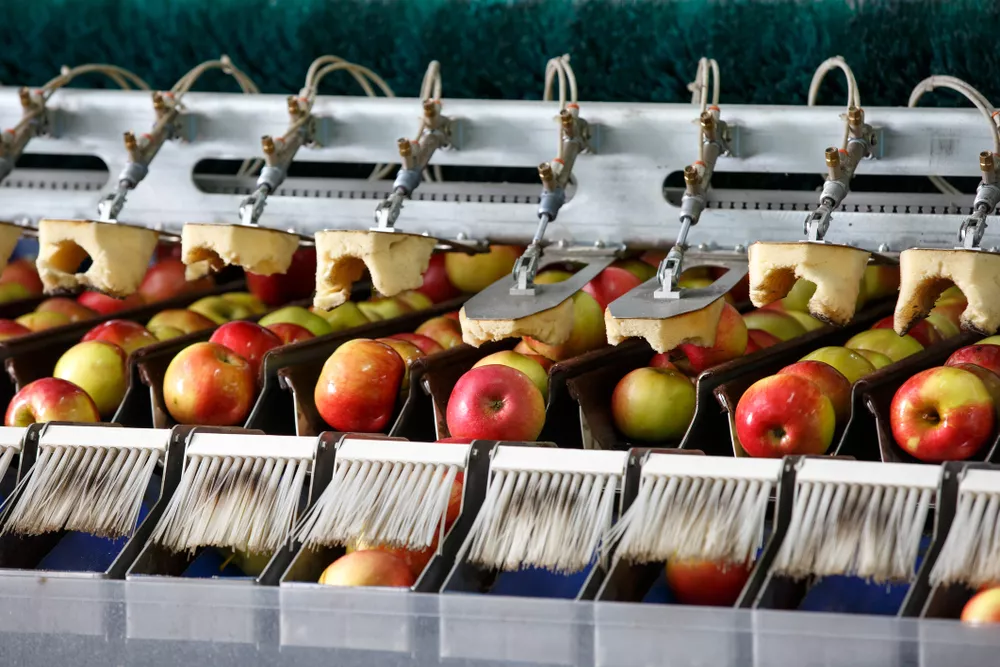
Food manufacturers face constant pressure to improve efficiency, reduce waste, and maintain consistent product quality. One of the most effective ways to achieve these goals is by leveraging historical data from production lines, equipment sensors, and quality control systems. Understanding how to analyze historical data for process optimization can unlock valuable insights that drive smarter decisions and continuous improvement in food processing environments.
This article provides a practical overview of using past production records to enhance food processing operations. We’ll cover the types of data to collect, key analysis techniques, and actionable steps for turning insights into measurable improvements. For those interested in broader digital transformation topics, you may also want to explore our guide on what are the components of a smart food factory for a comprehensive look at smart manufacturing infrastructure.
Why Historical Data Matters in Food Processing
Food production environments generate vast amounts of data every day, from temperature logs and batch records to machine performance and quality test results. By systematically collecting and evaluating this information, food processors can:
- Identify recurring bottlenecks and inefficiencies in production lines
- Spot trends in product quality deviations or equipment failures
- Optimize resource allocation, such as labor and raw materials
- Support compliance with food safety and traceability requirements
- Enable predictive maintenance and reduce unplanned downtime
Analyzing historical records is especially valuable for organizations aiming to transition toward smart manufacturing, as discussed in our guide to smart manufacturing for food processors.
Key Data Sources for Process Optimization
Before diving into analysis, it’s important to understand which types of data are most relevant for improving food processing workflows. Common sources include:
- Production logs: Batch numbers, run times, throughput rates, and shift reports
- Quality control data: Test results for moisture, temperature, pH, and other product attributes
- Equipment sensor data: Machine speeds, vibration, energy consumption, and maintenance records
- Yield and waste records: Raw material usage, scrap rates, and finished product counts
- Environmental monitoring: Room temperature, humidity, and air quality metrics
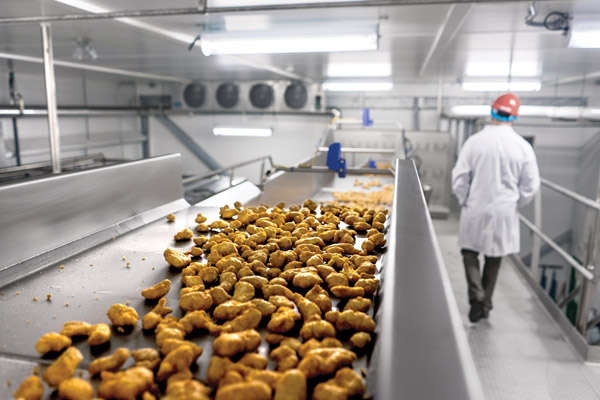
Consolidating these data streams into a centralized system—such as a manufacturing execution system (MES) or a cloud-based analytics platform—makes it easier to perform comprehensive reviews and spot cross-functional trends.
Steps to Analyze Historical Data for Process Optimization
The process of extracting actionable insights from historical records can be broken down into several key steps:
- Define clear objectives: Start by identifying the specific process challenges you want to address, such as reducing product waste, improving yield, or minimizing downtime.
- Collect and clean data: Gather relevant records from production, quality, and maintenance systems. Remove duplicates, fill in missing values, and standardize formats to ensure data quality.
- Visualize trends and patterns: Use charts, graphs, and dashboards to identify recurring issues, seasonal fluctuations, or outlier events. Visualization tools help teams quickly spot areas for improvement.
- Apply statistical analysis: Techniques such as regression analysis, control charts, and Pareto analysis can reveal root causes of inefficiencies or quality deviations.
- Benchmark performance: Compare current metrics to historical averages or industry standards to set realistic targets for improvement.
- Test and implement changes: Based on insights, trial process adjustments (e.g., equipment settings, workflow changes) and monitor results over time.
- Review and iterate: Continuous monitoring and periodic reviews ensure that improvements are sustained and new opportunities are identified.
For a deeper dive into predictive analytics and maintenance, consider this infographic on starting a predictive maintenance program in food production.
Common Analytical Techniques for Food Process Data
Several proven methods are used to analyze historical data in food manufacturing. Each technique offers unique benefits for process optimization:
- Control charts: Track process stability and quickly detect deviations from normal operating ranges.
- Pareto analysis: Identify the most significant sources of waste, defects, or downtime by focusing on the “vital few” contributors.
- Root cause analysis: Use tools like fishbone diagrams or the “5 Whys” method to drill down to the underlying causes of persistent issues.
- Correlation and regression: Explore relationships between variables, such as how temperature fluctuations impact product moisture or yield.
- Time series analysis: Evaluate trends over time to anticipate seasonal demand, equipment wear, or process drift.

These approaches can be applied manually using spreadsheets or automated through specialized manufacturing analytics software.
Turning Insights Into Actionable Improvements
The true value of analyzing historical records lies in translating findings into practical changes on the production floor. Here are some examples of how food processors can act on data-driven insights:
- Reduce downtime: If analysis reveals frequent stoppages linked to a specific machine, schedule preventive maintenance or operator retraining.
- Optimize recipes: Adjust ingredient ratios or process parameters to improve yield or consistency, based on historical quality data.
- Minimize waste: Identify process steps with the highest scrap rates and implement targeted improvements.
- Enhance traceability: Use batch records and sensor data to quickly isolate potential food safety issues.
- Improve resource allocation: Align staffing and raw material orders with historical demand patterns to avoid overproduction or shortages.
For those focused on specific aspects like moisture control, our article on using sensors to track moisture levels in food offers additional insights.
Best Practices for Sustainable Process Optimization
To ensure long-term success, food manufacturers should adopt several best practices when leveraging historical data:
- Standardize data collection: Use consistent formats and procedures across shifts and facilities.
- Invest in training: Equip staff with the skills to interpret data and act on findings.
- Automate where possible: Integrate sensors and digital systems to reduce manual entry and errors.
- Foster a culture of continuous improvement: Encourage teams to regularly review data and suggest process enhancements.
- Collaborate across departments: Share insights between production, quality, maintenance, and supply chain teams for holistic optimization.
These strategies help organizations stay agile and responsive in a competitive market.
FAQ: Historical Data Analysis in Food Processing
What types of historical data are most useful for improving food processing?
The most valuable records include production logs, equipment sensor outputs, quality control test results, and waste or yield reports. Combining these sources provides a comprehensive view of process performance and areas for improvement.
How often should food manufacturers review historical process data?
Regular reviews—such as weekly or monthly—are recommended to quickly identify trends and address issues before they escalate. However, the ideal frequency depends on the complexity of the operation and the speed of production cycles.
Can small food processors benefit from data-driven optimization?
Absolutely. Even small-scale producers can use simple spreadsheets or basic analytics tools to track key metrics, identify bottlenecks, and make informed decisions that boost efficiency and product quality.
What are the first steps to start analyzing historical records for process improvement?
Begin by defining clear goals, collecting relevant data, and ensuring data quality. Visualization and basic statistical analysis can then be used to uncover actionable insights. Over time, more advanced techniques and automation can be introduced as needed.
For further reading on minimizing production interruptions, see our resource on how to prevent downtime on bottling lines.