

Modern industries are under increasing pressure to reduce their environmental impact, lower operational costs, and meet evolving regulatory standards. One of the most effective ways to address these challenges is by investing in energy-efficient machinery. These advanced systems not only help companies save on utility bills but also play a crucial role in promoting sustainability and long-term competitiveness.
Understanding the importance of energy-efficient machinery goes beyond just cost savings. It encompasses environmental stewardship, improved productivity, and a stronger corporate reputation. As more businesses transition to smarter, greener technologies, the benefits of making this shift become even clearer.
For those interested in exploring how motion blur techniques can enhance industrial imaging, the motion blur composition examples provide valuable inspiration for creative and technical applications.
Key Benefits of Adopting Energy-Saving Equipment
Switching to machines that consume less power delivers a range of tangible advantages. These benefits are not limited to financial gains but extend to operational efficiency and environmental impact.
- Reduced Operational Costs: Lower energy consumption translates directly into smaller utility bills. Over time, these savings can offset the initial investment in new equipment.
- Decreased Carbon Footprint: Energy-efficient systems produce fewer greenhouse gas emissions, supporting corporate sustainability goals and compliance with environmental regulations.
- Enhanced Productivity: Modern machinery often incorporates automation, smart controls, and diagnostics, resulting in improved uptime and output quality.
- Longer Equipment Lifespan: Efficient machines typically experience less wear and tear, reducing maintenance needs and extending service life.
- Improved Workplace Environment: Newer, efficient models tend to be quieter and generate less heat, contributing to safer and more comfortable working conditions.
How Energy-Efficient Machinery Supports Sustainability
Environmental responsibility is a growing priority for manufacturers and service providers. By integrating energy-saving machinery into their operations, companies can make significant strides toward sustainability.
These technologies help reduce resource consumption and minimize waste. Many modern machines are designed to optimize processes, using only the necessary amount of power for each task. This not only conserves energy but also reduces the strain on local power grids and natural resources.
Additionally, the adoption of smart factory concepts—where equipment is interconnected and managed digitally—amplifies these benefits. For a deeper dive into the concept of digitally connected manufacturing, see this comprehensive overview of smart factories.

Financial Impact of Energy-Saving Machinery
Investing in efficient equipment is often seen as a substantial upfront expense. However, the long-term financial returns are significant. Lower energy bills, reduced maintenance costs, and eligibility for government incentives or rebates can make the investment highly attractive.
Many regions offer tax breaks or grants for companies that implement energy-saving technologies. These incentives can accelerate the payback period and make the transition more affordable. In addition, efficient machinery can boost productivity, leading to higher output and increased revenue.
For businesses seeking to optimize their processes further, exploring resources like the motion blur cinematic photography guide can provide innovative ideas for improving industrial imaging and diagnostics.
Role of Smart Factories in Energy Efficiency
The rise of smart factories has revolutionized how industries approach energy management. By leveraging sensors, automation, and real-time data analytics, these facilities can monitor and adjust energy usage dynamically.
Smart systems can detect inefficiencies, predict maintenance needs, and automatically shut down idle equipment. This proactive approach not only conserves power but also prevents costly breakdowns and downtime.
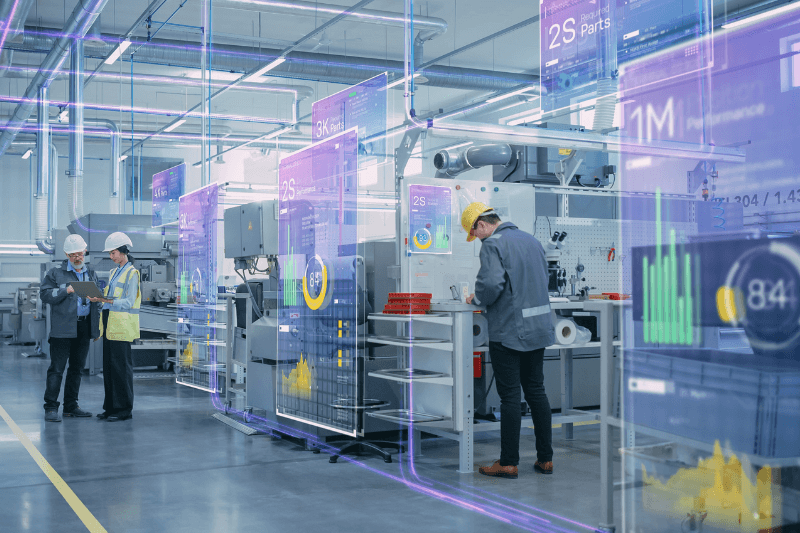
Integrating smart solutions with energy-efficient machinery creates a powerful synergy, enabling companies to reach new levels of sustainability and operational excellence.
Challenges and Considerations When Upgrading Equipment
While the advantages are clear, transitioning to more efficient machines can present some challenges. Initial costs, compatibility with existing systems, and the need for staff training are common concerns.
To maximize the benefits, companies should conduct thorough energy audits, evaluate the total cost of ownership, and plan for phased implementation. Partnering with reputable suppliers and leveraging available incentives can help ease the transition.
Continuous monitoring and regular maintenance are also essential to ensure that new equipment operates at peak efficiency. This proactive approach helps sustain energy savings and extends the lifespan of investments.
Industry Examples and Success Stories
Many organizations have already realized substantial gains by upgrading their machinery. For example, manufacturers who replaced outdated motors and compressors with high-efficiency models reported energy savings of up to 30%. Food processing plants that adopted smart automation systems saw not only lower energy bills but also improved product quality and consistency.
In the imaging and diagnostics sector, leveraging advanced stroboscopes and motion analysis tools—such as those discussed in the motion blur settings for beginners guide—has enabled more precise monitoring and reduced waste.
Future Trends in Energy-Efficient Technology
As technology evolves, the next generation of industrial equipment will become even more efficient and intelligent. Innovations such as AI-driven diagnostics, predictive maintenance, and machine learning algorithms are set to further reduce energy consumption and enhance productivity.
Companies that stay ahead of these trends will be better positioned to meet regulatory requirements, satisfy customer expectations, and achieve long-term profitability. Embracing a culture of continuous improvement and sustainability will be key to thriving in a rapidly changing industrial landscape.
Frequently Asked Questions
What qualifies as energy-efficient machinery?
Energy-efficient machinery refers to equipment designed to use less power than conventional models while maintaining or improving performance. These machines often incorporate advanced motors, smart controls, and automation features that optimize energy use.
How can businesses measure the impact of upgrading to efficient equipment?
Companies can track energy consumption before and after installation, monitor utility bills, and use digital monitoring systems to assess real-time savings. Many organizations also conduct regular energy audits to evaluate ongoing performance.
Are there financial incentives for adopting energy-saving machinery?
Yes, many governments and utility providers offer rebates, tax credits, or grants to encourage the adoption of efficient technologies. These incentives can help offset initial costs and accelerate the return on investment.
What are some additional resources for learning about industrial imaging and diagnostics?
For those interested in creative and technical aspects of motion analysis, the motion blur creative inspiration page offers further insights and examples.