

As manufacturing and production environments become increasingly automated, the importance of industrial automation safety continues to grow. Automated systems bring efficiency, precision, and scalability, but they also introduce new risks that must be carefully managed. Ensuring robust safety protocols not only protects workers and equipment but also supports productivity and regulatory compliance.
In this article, we’ll explore why safeguarding automated environments is essential, the key risks and challenges involved, and practical strategies for maintaining a secure and efficient operation. For those interested in related visual techniques, you may find value in exploring motion blur composition examples for inspiration in industrial photography.
Why Safe Automation Matters in Modern Industry
Automation has transformed manufacturing, logistics, and other sectors by streamlining processes and reducing manual intervention. However, as machines and robots take on more complex tasks, the potential for accidents or system failures increases. The importance of industrial automation safety lies in minimizing these risks while maximizing the benefits of technology.
- Worker Protection: Automated machinery can pose hazards such as moving parts, electrical risks, and unexpected startups. Proper safety measures help prevent injuries.
- Asset Preservation: Equipment damage from malfunctions or unsafe operations can result in costly repairs and downtime.
- Regulatory Compliance: Many regions enforce strict safety standards for automated environments. Non-compliance can lead to legal penalties and reputational harm.
- Operational Continuity: Safe systems are less likely to experience unplanned outages, supporting consistent production and delivery schedules.
Key Risks Associated with Automated Systems
Understanding the main hazards in automated environments is crucial for developing effective safety strategies. Some common risks include:
- Mechanical Hazards: Moving parts, robotic arms, and conveyor systems can cause crush injuries, entanglement, or impact accidents.
- Electrical Risks: High-voltage equipment and complex wiring increase the chance of shocks, fires, or short circuits.
- Software Failures: Programming errors or cyberattacks can lead to unintended machine behavior, putting both people and assets at risk.
- Human Error: Inadequate training or unclear procedures may result in unsafe interactions with automated systems.
Best Practices for Ensuring Automation Safety
To address the importance of industrial automation safety, organizations should adopt a comprehensive approach that combines technology, training, and continuous improvement. Here are some proven strategies:
1. Risk Assessment and Hazard Analysis
Before deploying or modifying automated systems, conduct thorough risk assessments. Identify potential hazards, evaluate their likelihood and impact, and implement controls to mitigate them. Regular reviews ensure that new risks are promptly addressed.
2. Safety-Integrated Design
Incorporate safety features directly into the design of machines and processes. This may include emergency stop buttons, light curtains, safety interlocks, and protective barriers. By integrating these elements from the outset, you reduce reliance on procedural controls alone.
3. Employee Training and Awareness
Even the most advanced safety systems are only effective if operators and maintenance staff understand how to use them. Provide comprehensive training on equipment operation, emergency procedures, and hazard recognition. Encourage a culture where safety concerns can be raised without hesitation.
4. Maintenance and Inspection Protocols
Regular maintenance is vital for keeping automated equipment in safe working order. Establish schedules for inspection, testing, and servicing of safety-critical components. Use diagnostic tools and predictive maintenance technologies to detect issues before they become serious problems.
5. Leveraging Smart Factory Solutions
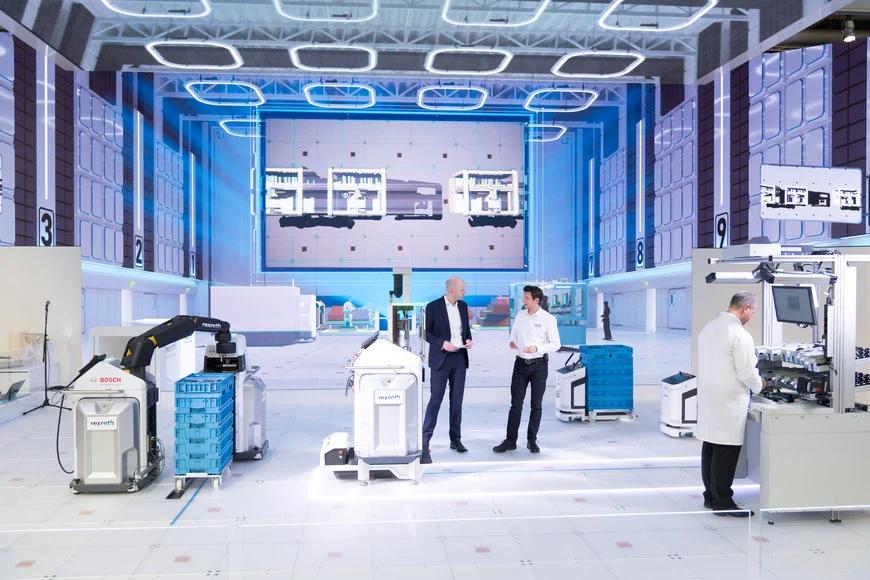
Modern facilities are increasingly adopting digital technologies to monitor and enhance safety. For example, smart factory solutions for industrial automation offer real-time data analytics, remote monitoring, and automated alerts that help identify and address safety issues quickly.
Challenges in Maintaining Safe Automated Environments
While the benefits of automation are substantial, maintaining a safe environment is not without challenges. Some of the most common obstacles include:
- Legacy Equipment: Older machines may lack modern safety features, making retrofitting or replacement necessary.
- Complexity of Integration: As systems become more interconnected, ensuring that safety protocols cover every component and interface can be difficult.
- Rapid Technological Change: Keeping up with new standards, regulations, and best practices requires ongoing investment in training and system upgrades.
- Human Factors: Fatigue, complacency, or lack of engagement can undermine even the best-designed safety systems.
Addressing these challenges requires a proactive approach, combining regular audits, stakeholder engagement, and a commitment to continuous improvement.
Future Trends in Automation Safety
The landscape of industrial safety is evolving alongside advances in automation technology. Some emerging trends include:
- Artificial Intelligence and Machine Learning: AI-powered diagnostics and predictive analytics can identify hazards before they result in incidents, allowing for preventive action.
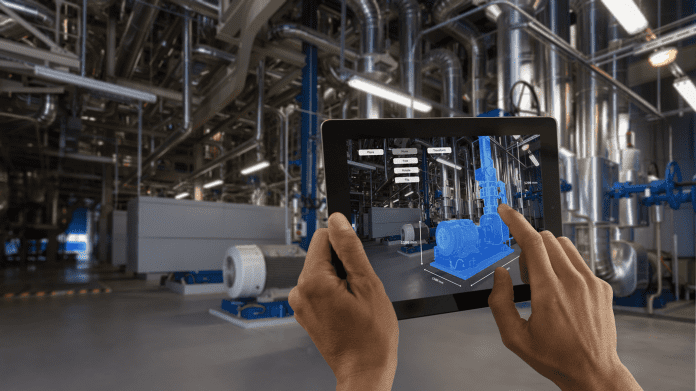
- Augmented Reality (AR) for Training: AR tools provide immersive, hands-on training experiences that improve retention and hazard recognition.
- Remote Monitoring and Control: Cloud-based platforms enable real-time oversight of safety-critical systems from anywhere, reducing response times to potential issues.
- Collaborative Robotics: “Cobots” are designed to work safely alongside humans, with built-in sensors and adaptive behaviors that minimize risk.
By staying informed about these developments, organizations can further strengthen their safety posture and remain competitive in a rapidly changing industry.
Frequently Asked Questions
What are the main benefits of prioritizing safety in automated environments?
Focusing on safety reduces workplace injuries, minimizes equipment downtime, ensures compliance with regulations, and supports a positive organizational culture. It also protects investments in automation technology and helps maintain operational continuity.
How can companies keep up with changing safety standards?
Staying current involves regular training, subscribing to industry updates, participating in professional associations, and working with vendors who prioritize safety in their products and services. Periodic audits and reviews are also crucial.
What role does employee training play in automation safety?
Training ensures that staff understand how to operate equipment safely, recognize hazards, and respond appropriately to emergencies. Well-trained employees are essential for preventing accidents and maintaining a safe workplace.
Conclusion
The drive toward greater automation in industry brings both opportunities and responsibilities. By recognizing the importance of industrial automation safety and implementing comprehensive safety measures, organizations can protect their workforce, assets, and reputation. Embracing new technologies, fostering a culture of safety, and committing to ongoing improvement are key to thriving in the modern industrial landscape.