
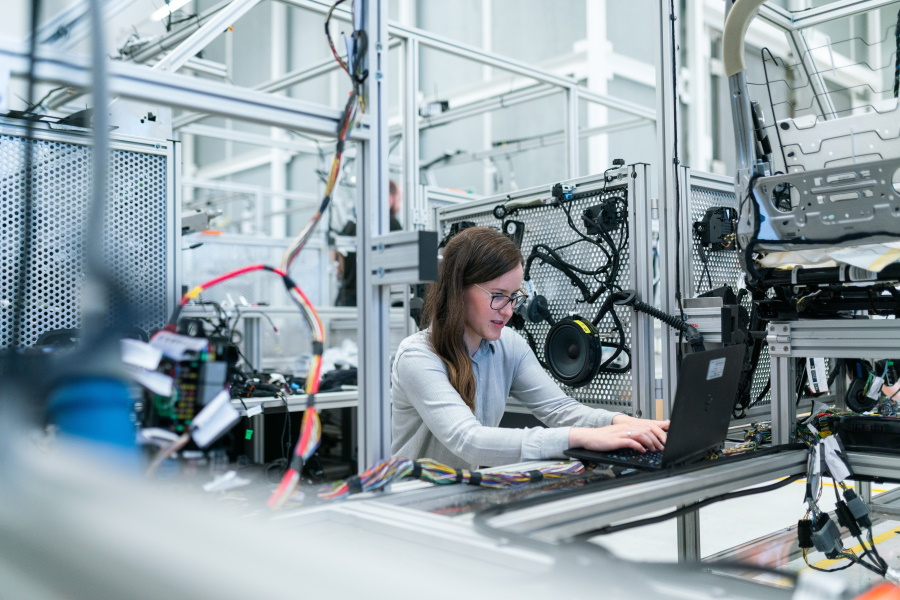
In today’s rapidly evolving manufacturing landscape, industrial vision systems have become a cornerstone of modern production environments. These advanced technologies use cameras, sensors, and intelligent software to automate inspection, quality control, and process optimization. Understanding the importance of industrial vision systems is essential for businesses aiming to enhance efficiency, reduce errors, and stay competitive in an increasingly automated world.
From automotive assembly lines to electronics manufacturing and food processing, machine vision is transforming how products are made and inspected. By delivering real-time analysis and actionable data, these systems help organizations achieve higher quality standards, minimize waste, and streamline operations. For those interested in creative applications of imaging technology, exploring resources like motion blur composition examples can provide further insight into the versatility of vision-based solutions.
How Vision Technology Is Shaping Modern Manufacturing
The integration of vision systems into industrial environments marks a significant shift in how manufacturers approach quality control and automation. These systems use high-resolution cameras and sophisticated algorithms to capture, process, and analyze images of products at various stages of production. This enables real-time detection of defects, measurement of components, and verification of assembly processes.
One of the most notable benefits is the ability to perform inspections at speeds and accuracies unattainable by human operators. This not only reduces the likelihood of defective products reaching customers but also allows for continuous improvement of manufacturing processes. As a result, companies can maintain consistent product quality while increasing throughput.
In addition to quality assurance, vision systems are instrumental in process optimization. By monitoring production lines, detecting bottlenecks, and providing actionable data, these technologies help manufacturers identify inefficiencies and implement corrective actions swiftly. The importance of industrial vision systems is further underscored by their role in supporting the transition to smart factories, where interconnected devices and data-driven decision-making are the norm.
Key Benefits of Implementing Automated Vision Solutions
The adoption of machine vision brings a host of advantages to industrial operations. Some of the most impactful benefits include:
- Enhanced Quality Control: Automated inspection ensures that every product meets predefined standards, reducing the risk of defects and recalls.
- Increased Productivity: High-speed image processing enables rapid inspection and sorting, allowing production lines to operate at maximum efficiency.
- Cost Reduction: By minimizing manual labor and catching defects early, companies can significantly lower operational costs and waste.
- Traceability and Data Collection: Vision systems generate valuable data that can be used for traceability, process optimization, and regulatory compliance.
- Flexibility: Modern vision solutions can be reprogrammed or adapted to inspect different products or accommodate changes in production requirements.
These advantages make vision technology an indispensable tool for manufacturers seeking to improve their bottom line and maintain high standards in a competitive market.
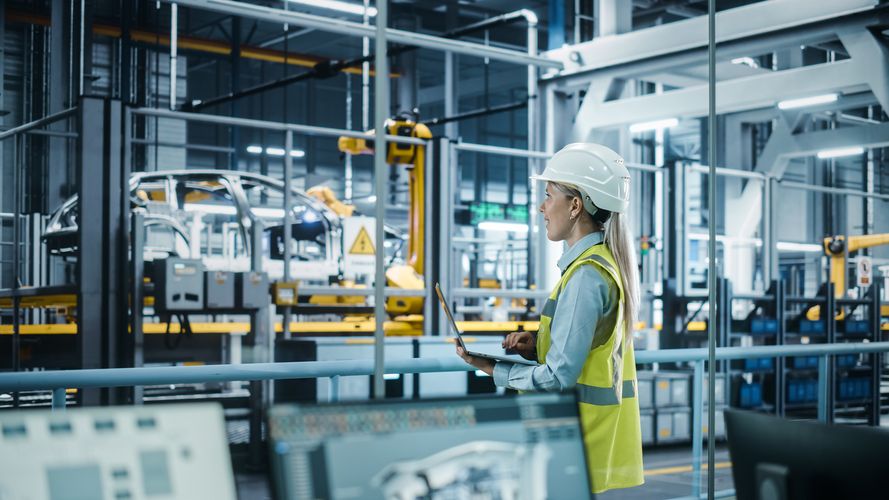
Applications Across Diverse Industries
The versatility of vision systems allows them to be deployed in a wide range of industrial settings. Here are some prominent examples:
- Automotive: Used for inspecting welds, verifying assembly, and ensuring the correct placement of components.
- Electronics: Essential for detecting soldering defects, inspecting printed circuit boards, and verifying microchip placement.
- Food and Beverage: Employed to check packaging integrity, label accuracy, and product appearance to meet safety and quality standards.
- Pharmaceutical: Used for inspecting packaging, verifying barcodes, and ensuring compliance with regulatory requirements.
- Logistics and Packaging: Applied in sorting, tracking, and verifying shipments to improve supply chain efficiency.
The adaptability of these systems ensures that they can be tailored to meet the unique needs of each sector, further highlighting the importance of industrial vision systems in driving innovation and operational excellence.
Vision Systems and the Rise of Smart Factories
The concept of the smart factory is closely linked to the deployment of advanced vision technologies. In these highly automated environments, vision systems serve as the “eyes” of the operation, providing real-time feedback and enabling seamless integration with other digital tools. This connectivity allows for predictive maintenance, adaptive manufacturing, and enhanced decision-making based on live data.
For a deeper understanding of how vision technology fits into the broader context of smart manufacturing, consider reading this comprehensive overview of smart factories. As more manufacturers embrace Industry 4.0 principles, the role of vision systems will only continue to grow.
Challenges and Considerations When Adopting Vision Technology
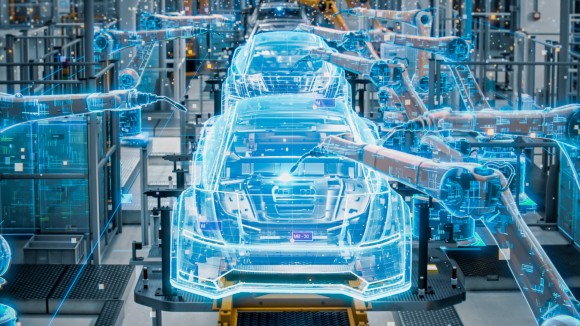
While the benefits are substantial, implementing vision systems is not without challenges. Companies must consider factors such as initial investment, integration with existing equipment, and the need for specialized expertise. Lighting conditions, product variability, and the complexity of inspection tasks can also impact system performance.
To maximize return on investment, it’s crucial to work with experienced solution providers and ensure that systems are properly configured and maintained. Ongoing training for staff and regular system updates can help address evolving production needs and technological advancements.
For those interested in the creative and technical aspects of imaging, resources like the motion blur cinematic photography guide offer valuable perspectives on how vision technology can be leveraged beyond traditional inspection tasks.
Future Trends in Machine Vision for Industry
The future of industrial vision systems is closely tied to advancements in artificial intelligence, deep learning, and edge computing. These technologies are making vision solutions smarter, faster, and more adaptable. AI-powered systems can now recognize complex patterns, adapt to new products with minimal reprogramming, and provide predictive insights that were previously unattainable.
As the cost of hardware continues to decrease and software becomes more user-friendly, even small and medium-sized enterprises can benefit from these innovations. The ongoing evolution of vision technology will further cement its place as a critical enabler of industrial automation and digital transformation.
Frequently Asked Questions
What Are Industrial Vision Systems Used For?
Industrial vision systems are primarily used for automated inspection, quality control, measurement, and process monitoring in manufacturing environments. They help detect defects, verify assembly, and ensure products meet quality standards.
How Do Vision Systems Improve Manufacturing Efficiency?
By automating inspection and providing real-time feedback, vision systems reduce human error, speed up production lines, and enable rapid identification of process issues. This leads to higher productivity and lower operational costs.
Are Vision Systems Suitable for All Types of Manufacturing?
While vision technology is highly adaptable, its suitability depends on factors such as product complexity, inspection requirements, and production volume. Most industries, including automotive, electronics, food, and pharmaceuticals, can benefit from tailored vision solutions.
Conclusion
The adoption of vision systems is reshaping the industrial landscape by delivering reliable, high-speed inspection and data-driven process optimization. As manufacturing continues to evolve toward greater automation and connectivity, the importance of industrial vision systems will only increase. By understanding their benefits, applications, and future potential, businesses can make informed decisions that drive quality, efficiency, and long-term success.