
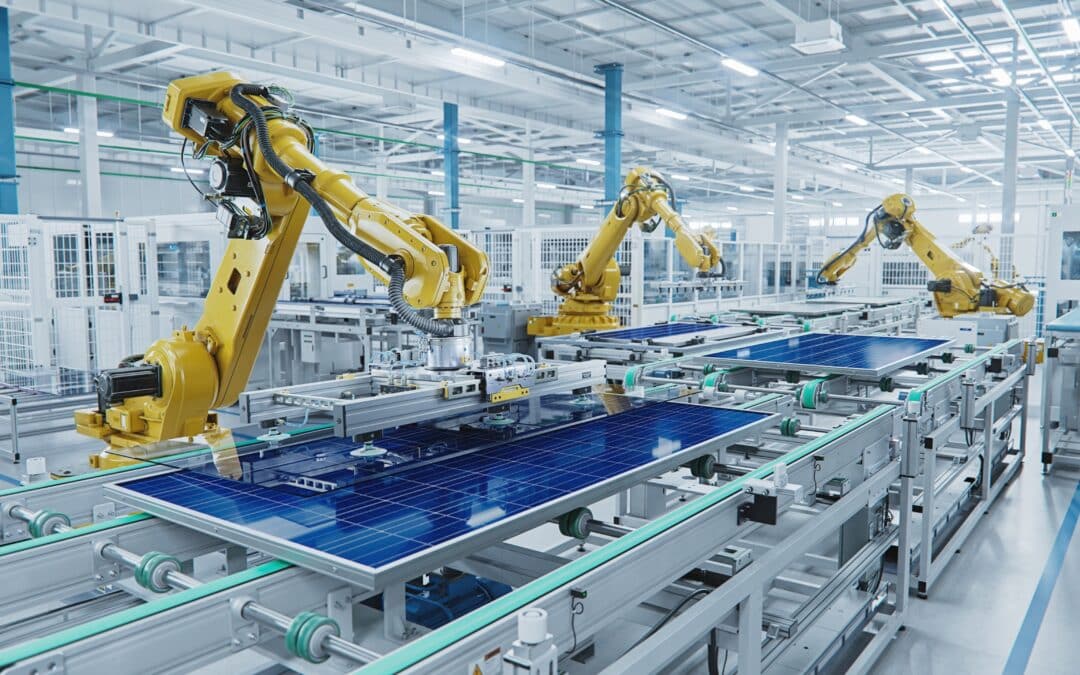
The integration of robotics into assembly lines has transformed manufacturing across industries. As companies strive for higher efficiency, improved quality, and greater flexibility, the importance of robotics in assembly has become increasingly clear. Automated systems are no longer a futuristic concept; they are a practical solution that addresses modern production challenges, from labor shortages to the demand for customization and rapid scaling.
Manufacturers who embrace robotics benefit from enhanced productivity, reduced errors, and safer working environments. This article explores how robotics are reshaping assembly processes, the key advantages they deliver, and what organizations should consider when adopting these technologies. For those interested in creative applications of motion and automation, resources like motion blur composition examples offer inspiration for visualizing movement in industrial settings.
How Robotics Are Transforming Modern Assembly Lines
Robotic automation has revolutionized the way products are assembled. Traditional assembly lines relied heavily on manual labor, which often resulted in inconsistent quality and slower production rates. Today, robots can perform repetitive tasks with high precision, ensuring uniformity and minimizing defects. This shift allows human workers to focus on more complex, value-added activities.
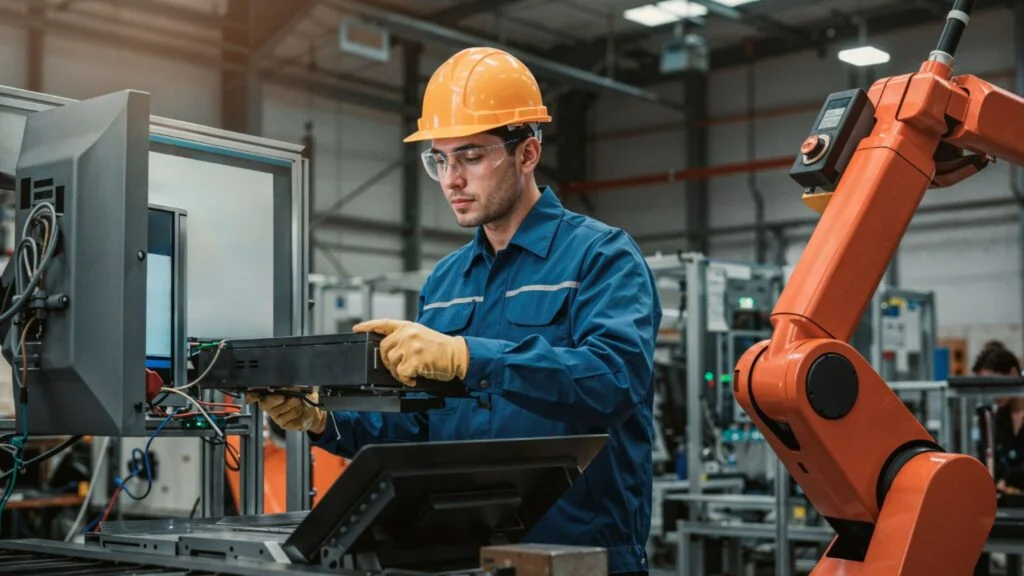
One of the most significant changes is the introduction of collaborative robots, or cobots. These machines work alongside humans, enhancing productivity without replacing jobs entirely. Cobots are designed with advanced sensors and safety features, making them suitable for environments where people and machines must interact closely. This collaboration leads to a more flexible and adaptive assembly process.
Furthermore, robotics enable manufacturers to quickly reconfigure assembly lines for new products or custom orders. This agility is crucial in industries where consumer preferences change rapidly or where short production runs are common.
Key Benefits of Robotic Automation in Assembly
Implementing robotics in assembly offers a range of tangible benefits:
- Increased Efficiency: Robots can operate continuously without fatigue, significantly boosting output and reducing cycle times.
- Enhanced Quality: Automated systems maintain consistent performance, reducing human error and improving product reliability.
- Cost Savings: While the initial investment in robotics can be substantial, long-term savings are realized through reduced labor costs, lower error rates, and less waste.
- Improved Safety: Robots handle dangerous or repetitive tasks, minimizing workplace injuries and creating safer environments for employees.
- Scalability: Automated assembly lines can be scaled up or down quickly to meet changing demand, offering manufacturers greater flexibility.
For a deeper look at how smart factories leverage these advantages, the smart factory infographic from Autodesk provides valuable insights into the digital transformation of manufacturing.

Challenges and Considerations When Adopting Robotics
While the importance of robotics in assembly is clear, integrating these technologies is not without challenges. Companies must consider several factors to ensure successful implementation:
- Upfront Costs: The initial investment in robotic systems, including hardware, software, and integration, can be significant. However, these costs are often offset by long-term savings and efficiency gains.
- Workforce Training: Employees need training to operate, maintain, and program robotic systems. Upskilling the workforce is essential for maximizing the benefits of automation.
- System Integration: Robotics must be seamlessly integrated with existing production lines, IT systems, and quality control processes. This often requires collaboration between engineering, IT, and operations teams.
- Maintenance and Support: Ongoing maintenance is crucial to prevent downtime and ensure optimal performance. Manufacturers should establish robust support systems and preventive maintenance schedules.
- Change Management: Introducing robotics can lead to resistance from employees concerned about job security. Transparent communication and involving staff in the transition process can help ease these concerns.
Organizations can mitigate these challenges by starting with pilot projects, leveraging external expertise, and adopting a phased approach to automation.
Applications Across Industries
Robotics are used in a wide range of assembly applications, from automotive manufacturing to electronics and consumer goods. In the automotive sector, robots handle tasks such as welding, painting, and component installation with unmatched speed and accuracy. Electronics manufacturers rely on robotics for delicate assembly operations, such as placing microchips and soldering circuit boards.
Even small and medium-sized enterprises are adopting robotic solutions to stay competitive. Flexible automation allows businesses of all sizes to produce high-quality products efficiently, regardless of their production scale. For those interested in the artistic side of motion and automation, the motion blur creative inspiration guide showcases how movement can be captured and visualized in creative projects.
Future Trends in Robotic Assembly
The evolution of robotics in assembly is ongoing, with new technologies and trends shaping the future of manufacturing. Artificial intelligence and machine learning are enabling robots to adapt to complex tasks, learn from experience, and optimize their own performance. Vision systems and advanced sensors allow robots to handle delicate components and perform quality inspections in real time.
Another trend is the rise of modular and mobile robots, which can be easily reconfigured or moved between workstations. This flexibility supports just-in-time production and rapid response to market changes. As robotics become more accessible and affordable, even more industries will benefit from automation.
For those new to automation or photography, the motion blur settings for beginners guide provides foundational knowledge that can be applied to both creative and industrial contexts.
Frequently Asked Questions
How do robotics improve quality in assembly processes?
Robots deliver consistent, repeatable performance that reduces human error and ensures uniform product quality. Advanced vision systems and sensors allow automated systems to detect defects and make real-time adjustments, further enhancing reliability.
Are robots replacing human workers in assembly lines?
While automation can reduce the need for manual labor in repetitive or hazardous tasks, it also creates new opportunities for skilled workers in programming, maintenance, and oversight. Collaborative robots are designed to work alongside humans, supporting rather than replacing the workforce.
What is the return on investment for adopting robotics in assembly?
The return on investment varies depending on the scale of automation and the specific application. Most manufacturers see significant savings through increased productivity, reduced errors, and lower labor costs within a few years of implementation.
How can small businesses benefit from robotic automation?
Smaller companies can leverage flexible and modular robotic systems to improve efficiency and product quality without the need for large-scale infrastructure. Many modern robots are designed for easy integration and programming, making them accessible to businesses of all sizes.
Conclusion
The adoption of robotics in assembly is a strategic move that offers substantial benefits in efficiency, quality, and flexibility. As technology advances, the role of automation will only grow, enabling manufacturers to meet evolving demands and remain competitive. By understanding the importance of robotics in assembly and planning for thoughtful integration, organizations can unlock new levels of productivity and innovation.