
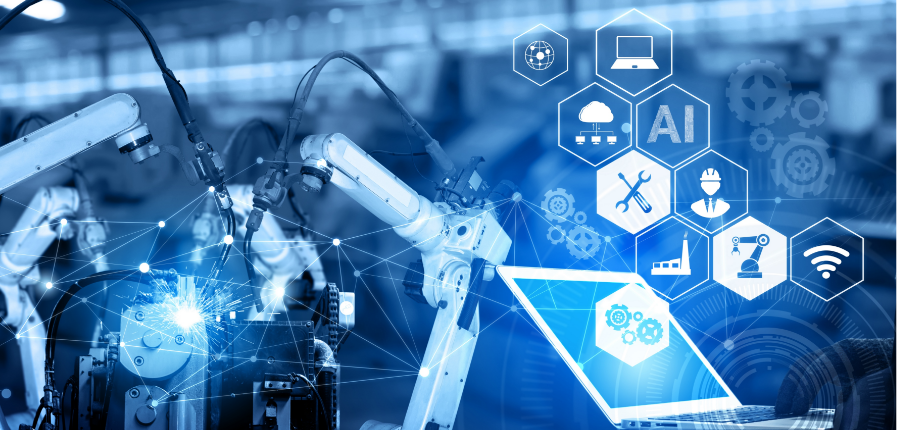
In today’s rapidly evolving industrial landscape, automation plays a crucial role in enhancing efficiency and productivity. However, implementing automation technologies is not without its hurdles. This guide delves into the various obstacles that industries face when integrating automated systems, offering insights into overcoming these challenges effectively.
One of the primary issues is the complexity of transitioning from traditional processes to automated systems. Industries must navigate the intricacies of integrating new technologies while maintaining operational continuity. Additionally, the need for skilled personnel to manage and maintain these systems cannot be overstated. For those interested in exploring innovative photography techniques, you might find motion blur composition examples intriguing.
Understanding the Technical Barriers
Technical barriers are among the most significant challenges in industrial automation. These include the integration of legacy systems with new technologies, ensuring compatibility and seamless operation. Moreover, the initial setup and configuration of automated systems can be daunting, requiring substantial technical expertise and resources.
Another technical challenge is ensuring cybersecurity. As industries become more connected, the risk of cyber threats increases. Protecting sensitive data and maintaining system integrity are paramount, necessitating robust security measures.
Addressing Workforce Adaptation
The shift towards automation often leads to concerns about workforce adaptation. Employees may fear job displacement or struggle to adapt to new technologies. It is essential for companies to invest in training programs that equip their workforce with the necessary skills to thrive in an automated environment.

Furthermore, fostering a culture of continuous learning and innovation can help mitigate resistance to change. Encouraging employees to embrace new roles and responsibilities can lead to a more dynamic and adaptable workforce.
Financial Considerations and ROI
Financial constraints are a common hurdle in the adoption of automation. The initial investment required for purchasing and implementing automated systems can be substantial. Companies must carefully evaluate the potential return on investment (ROI) to justify these expenditures.
Long-term financial planning is crucial, as the benefits of automation often accrue over time. By conducting thorough cost-benefit analyses, businesses can make informed decisions that align with their strategic objectives.
Exploring the Future of Smart Factories
The concept of smart factories represents the future of industrial automation. These facilities leverage advanced technologies such as the Internet of Things (IoT), artificial intelligence (AI), and machine learning to optimize production processes. For a deeper understanding of this concept, consider exploring what is a smart factory.
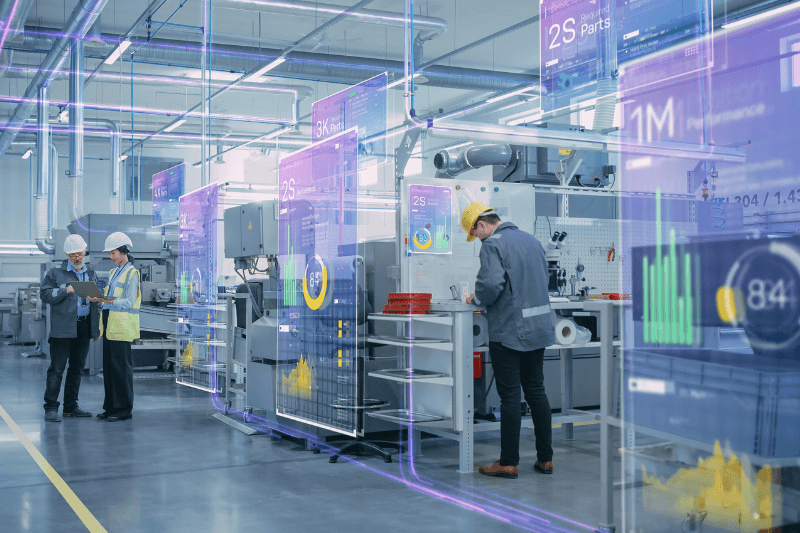
Smart factories are designed to be highly adaptable, allowing for real-time adjustments to production lines based on data-driven insights. This flexibility can significantly enhance efficiency and reduce waste, ultimately leading to improved profitability.
FAQs
What are the main challenges in industrial automation?
The primary challenges include technical barriers, workforce adaptation, financial constraints, and cybersecurity risks. Each of these requires careful planning and strategic implementation to overcome.
How can companies ensure a smooth transition to automation?
Companies can facilitate a smooth transition by investing in employee training, conducting thorough cost-benefit analyses, and implementing robust cybersecurity measures. Fostering a culture of innovation and adaptability is also crucial.
What is the role of smart factories in industrial automation?
Smart factories represent the future of industrial automation, utilizing advanced technologies to optimize production processes. They offer flexibility, efficiency, and the ability to make real-time adjustments based on data insights.