
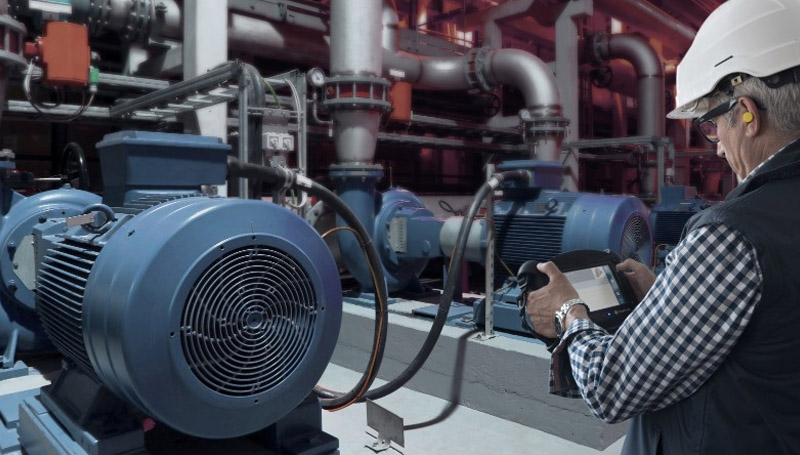
Modern manufacturing and processing plants are experiencing rapid changes, driven by the evolution of industrial maintenance technology trends. As factories become more digitized and interconnected, maintenance strategies are shifting from reactive fixes to proactive, data-driven approaches. These advancements are not only improving equipment reliability but also reducing downtime and operational costs. Understanding the latest developments in this area is essential for plant managers, maintenance engineers, and decision-makers aiming to stay competitive in today’s industrial landscape.
One of the most significant changes is the integration of smart sensors, advanced analytics, and automation into maintenance routines. These technologies enable teams to predict failures before they occur, optimize maintenance schedules, and extend the lifespan of critical assets. As we explore the key trends shaping this field, it’s clear that embracing innovation is no longer optional—it’s a necessity for operational excellence.
For those interested in a deeper dive into specific applications, such as vibration analysis for power plants, there are dedicated resources that explore how these innovations are being implemented in various industries.
Key Innovations Driving Maintenance Transformation
The shift toward smarter maintenance is being fueled by several core technologies. Let’s examine some of the most impactful developments that are redefining how industrial facilities approach asset care and reliability.
Condition Monitoring and Predictive Maintenance
Condition monitoring has become a cornerstone of modern maintenance programs. By continuously tracking the health of machinery through sensors and diagnostic tools, teams can detect early warning signs of wear, imbalance, or misalignment. This proactive approach, often referred to as predictive maintenance, leverages real-time data to anticipate failures and schedule interventions only when necessary.
Technologies such as vibration analysis, thermal imaging, and oil analysis are commonly used to monitor equipment condition. These methods help maintenance teams move away from traditional time-based schedules, reducing unnecessary work and minimizing the risk of unexpected breakdowns.
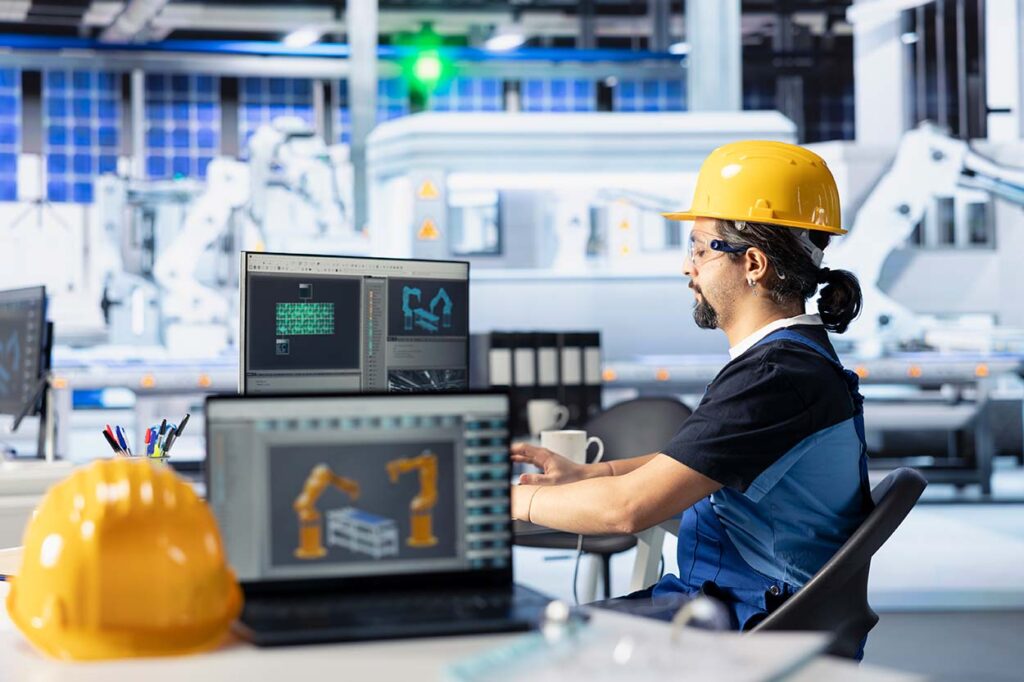
For those managing specialized equipment, such as textile machinery or food processing lines, targeted guides like vibration analysis for textile machinery and vibration analysis for food processing equipment provide industry-specific insights.
Industrial IoT and Smart Sensors
The Industrial Internet of Things (IIoT) is revolutionizing how data is collected and used in maintenance. Smart sensors installed on assets continuously transmit information about temperature, vibration, pressure, and other key parameters. This data is then aggregated and analyzed to identify trends, anomalies, and potential issues.
With IIoT platforms, maintenance teams can remotely monitor equipment health, receive instant alerts, and access historical data for deeper analysis. This connectivity not only improves response times but also enables more strategic decision-making. For a comprehensive look at how IIoT is reshaping factories, see resources like industrial IoT maintenance applications.
Advanced Analytics and Artificial Intelligence
Data alone is not enough—turning information into actionable insights is where advanced analytics and artificial intelligence (AI) come into play. Machine learning algorithms can process vast amounts of sensor data to detect subtle patterns that might indicate impending failures. These tools can also recommend optimal maintenance actions, prioritize work orders, and even automate certain diagnostic tasks.
By leveraging AI, organizations can move closer to a truly predictive maintenance model, where interventions are precisely timed to maximize asset uptime and minimize costs. This shift not only improves operational efficiency but also supports sustainability goals by reducing waste and unnecessary part replacements.
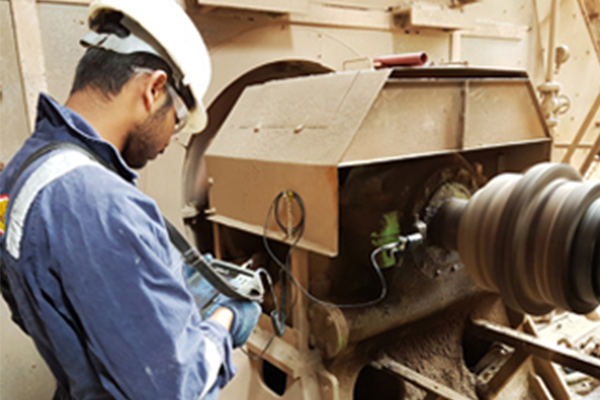
Vibration Analysis: A Practical Example
Among the many techniques enabled by recent industrial maintenance technology trends, vibration analysis stands out for its effectiveness in monitoring rotating machinery. By measuring and interpreting vibration signals, maintenance teams can identify issues such as imbalance, misalignment, bearing faults, and looseness before they lead to costly failures.
For a detailed explanation of how this method is applied in different settings, the article on machine vibration data interpretation offers a practical field guide. Additionally, industry experts highlight the importance of integrating vibration analysis with other condition monitoring tools for a comprehensive asset health strategy.
To further explore the benefits and best practices, consider reading this comprehensive overview of vibration analysis in industrial maintenance.
Benefits of Embracing Modern Maintenance Technologies
Adopting the latest innovations in maintenance offers a range of tangible advantages for industrial organizations:
- Reduced unplanned downtime: Predictive tools help prevent unexpected equipment failures, keeping production lines running smoothly.
- Lower maintenance costs: By performing maintenance only when necessary, organizations can reduce labor and spare parts expenses.
- Extended asset lifespan: Early detection of issues allows for timely interventions, minimizing wear and maximizing equipment longevity.
- Improved safety: Monitoring critical assets helps prevent hazardous failures that could endanger personnel or the environment.
- Enhanced decision-making: Data-driven insights support better planning, resource allocation, and continuous improvement efforts.
Challenges and Considerations in Adopting New Technologies
While the benefits are clear, implementing advanced maintenance solutions comes with its own set of challenges. Organizations must consider factors such as:
- Integration with legacy systems: Ensuring new technologies work seamlessly with existing equipment and processes.
- Data management: Handling large volumes of sensor data securely and efficiently.
- Workforce training: Equipping maintenance personnel with the skills needed to interpret data and use new tools effectively.
- Initial investment: Balancing the upfront costs of new systems with long-term savings and ROI.
Successful adoption often requires a phased approach, starting with pilot projects and gradually scaling up as teams gain experience and confidence with the technology.
Future Outlook for Maintenance Technology
The pace of change in this field shows no signs of slowing. Emerging trends such as augmented reality (AR) for remote support, mobile maintenance apps, and cloud-based analytics platforms are poised to further enhance efficiency and collaboration. As these tools become more accessible, even small and mid-sized manufacturers can take advantage of the latest advancements.
Ultimately, the future of industrial maintenance will be defined by connectivity, intelligence, and adaptability. Organizations that invest in continuous improvement and stay informed about new developments will be best positioned to thrive in an increasingly competitive environment.
Frequently Asked Questions
What is the main advantage of predictive maintenance over traditional approaches?
Predictive maintenance uses real-time data and analytics to anticipate equipment failures before they happen. This allows maintenance teams to address issues proactively, reducing unplanned downtime and avoiding unnecessary part replacements, which are common with time-based maintenance schedules.
How do smart sensors improve industrial maintenance?
Smart sensors provide continuous monitoring of equipment conditions such as vibration, temperature, and pressure. By collecting and transmitting this data, they enable early detection of anomalies, support remote diagnostics, and help optimize maintenance schedules for greater efficiency and reliability.
What skills are needed to implement modern maintenance technologies?
Maintenance professionals need a combination of technical skills, including knowledge of sensors, data analysis, and diagnostic techniques. Familiarity with digital tools, IIoT platforms, and basic understanding of machine learning or AI concepts can also be valuable as technology becomes more integrated into daily operations.