
As manufacturing evolves to meet the demands of modern markets, flexible production lines have become a cornerstone of efficient and adaptive industrial operations. These systems are designed to quickly adjust to changes in product design, volume, or process, enabling manufacturers to stay competitive in a rapidly shifting landscape. This guide explores the essential concepts, benefits, and practical considerations of implementing adaptable manufacturing systems, providing a comprehensive overview for anyone interested in the future of industrial automation.
Whether you are a plant manager, engineer, or business decision-maker, understanding the fundamentals of flexible manufacturing is crucial for optimizing productivity and responding to customer needs. For those interested in related topics, exploring resources like motion blur composition examples can provide additional insights into process visualization and industrial photography.
What Makes a Production Line Flexible?
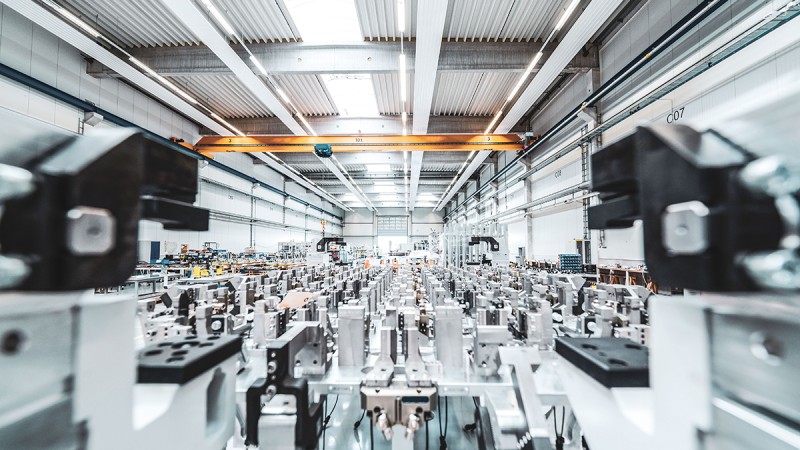
At its core, a flexible production system is characterized by its ability to adapt to varying product types and production volumes with minimal downtime or reconfiguration. Unlike traditional assembly lines, which are typically optimized for mass production of a single product, flexible setups use modular equipment, programmable automation, and smart software to handle a diverse range of tasks.
- Modularity: Equipment and workstations can be rearranged or replaced to suit different products.
- Automation: Robotics and programmable logic controllers (PLCs) streamline changeovers and reduce manual intervention.
- Data Integration: Real-time monitoring and analytics help identify bottlenecks and optimize workflows.
These features allow manufacturers to respond quickly to market trends, reduce lead times, and minimize waste, all while maintaining high product quality.
Key Benefits of Adaptable Manufacturing Systems
Embracing a flexible approach to production offers a range of advantages that extend beyond simple efficiency gains. Here are some of the most significant benefits:
- Rapid Product Changeovers: Switching between different product types or variants can be accomplished swiftly, reducing downtime and increasing overall equipment effectiveness.
- Scalability: Production volumes can be ramped up or down based on demand without major investments in new machinery.
- Customization: Manufacturers can offer personalized products or limited runs, catering to niche markets and specific customer requirements.
- Cost Efficiency: By optimizing resource use and reducing waste, flexible lines help lower operational costs over time.
- Resilience: The ability to adapt quickly makes operations more resilient to supply chain disruptions or shifts in consumer preferences.
Core Technologies Driving Flexible Production
The shift toward adaptable manufacturing is powered by a range of advanced technologies. Key enablers include:
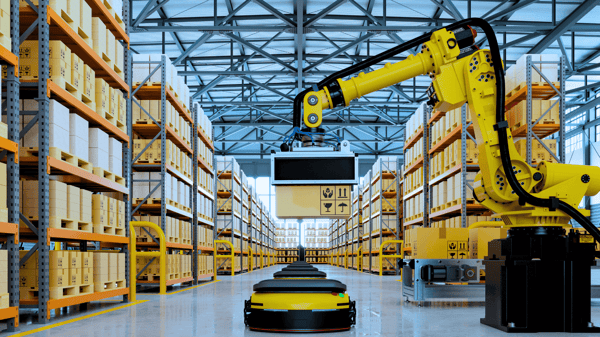
- Industrial Robotics: Modern robots can be reprogrammed for new tasks and integrated with vision systems for quality control.
- Internet of Things (IoT): Connected sensors and devices provide real-time data on machine performance, inventory, and workflow status.
- Artificial Intelligence (AI): Machine learning algorithms optimize scheduling, predictive maintenance, and process improvements.
- Digital Twins: Virtual models of production lines allow for simulation and testing before physical changes are made.
These technologies not only enhance flexibility but also improve traceability, safety, and overall operational insight.
Challenges and Considerations in Implementing Flexible Lines
While the advantages are clear, transitioning to a more adaptable production setup comes with its own set of challenges. Some of the most common hurdles include:
- Initial Investment: Upgrading equipment and integrating new technologies can require significant capital expenditure.
- Workforce Training: Operators and technicians must be trained to handle advanced machinery and software systems.
- System Integration: Ensuring seamless communication between legacy equipment and new digital tools can be complex.
- Change Management: Shifting organizational culture and processes to embrace flexibility takes time and commitment.
Addressing these challenges often involves a phased approach, starting with pilot projects and gradually scaling up as teams gain confidence and expertise.
Real-World Applications and Industry Examples
Flexible manufacturing is already transforming industries such as automotive, electronics, and consumer goods. For example, automotive plants now routinely reconfigure assembly lines to accommodate new vehicle models or electric drivetrains. In electronics, rapid product cycles require lines that can switch between different device types with minimal delay.
The concept of the smart factory further illustrates how digitalization and automation are reshaping traditional manufacturing. These facilities leverage interconnected systems, data analytics, and advanced robotics to create highly responsive and efficient operations.
Best Practices for Transitioning to Adaptive Manufacturing
For organizations considering a move toward more adaptable production, several best practices can help ensure a smooth transition:
- Assess Current Capabilities: Evaluate existing equipment, processes, and workforce skills to identify gaps and opportunities.
- Start Small: Pilot flexible cells or lines in a controlled environment before scaling up.
- Invest in Training: Provide ongoing education for staff to build confidence with new technologies.
- Leverage Data: Use analytics to monitor performance, identify bottlenecks, and guide continuous improvement.
- Collaborate with Partners: Work with technology providers and industry peers to share knowledge and accelerate adoption.
By following these steps, manufacturers can minimize risks and maximize the return on investment from their modernization efforts.
Frequently Asked Questions
What is the main difference between flexible and traditional production lines?
Traditional lines are typically designed for high-volume production of a single product, with fixed layouts and processes. In contrast, flexible systems can be quickly reconfigured to produce different products or adjust to changing demand, thanks to modular equipment and advanced automation.
How do flexible manufacturing systems impact workforce requirements?
While automation can reduce the need for manual labor, these systems often require a more skilled workforce capable of operating, programming, and maintaining advanced machinery. Ongoing training and upskilling are essential for successful implementation.
Are flexible production lines suitable for small and medium-sized enterprises (SMEs)?
Yes, SMEs can benefit from adaptable manufacturing by starting with small-scale pilot projects and gradually expanding as needed. The ability to respond quickly to market changes and offer customized products can provide a significant competitive edge.
Conclusion
The move toward flexible production lines is reshaping the manufacturing landscape, offering greater adaptability, efficiency, and resilience. By leveraging advanced technologies and best practices, organizations can position themselves for long-term success in a dynamic market. For those interested in visualizing industrial processes, resources such as the motion blur settings for beginners guide can offer valuable perspectives on documenting and analyzing production environments.