
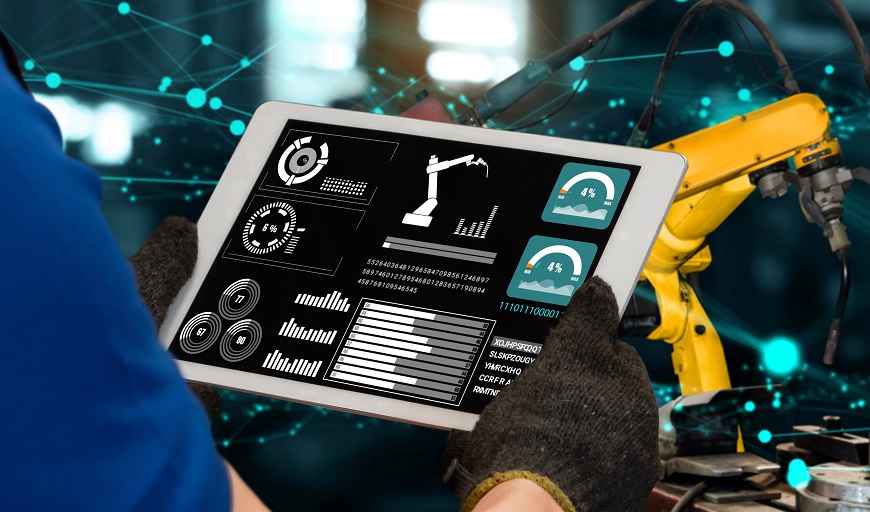
Process digitization is transforming how factories operate, making production smarter, more efficient, and responsive to market demands. As manufacturing faces increasing pressure to improve quality, reduce costs, and adapt quickly, digitizing processes has become a strategic priority. This guide provides a comprehensive overview of what digitization means for factory environments, the benefits it brings, and how organizations can start their journey toward a digital future.
Understanding the shift from analog to digital workflows is crucial for any manufacturer looking to stay competitive. By integrating digital tools and data-driven systems, factories can unlock new levels of visibility, control, and optimization. For those interested in creative approaches to capturing movement in industrial settings, exploring motion blur composition examples can offer inspiration for visualizing dynamic processes.
What Does Digitization Mean for Factory Processes?
At its core, digitization in manufacturing refers to converting manual or paper-based procedures into digital formats. This often involves using sensors, software, and connected devices to collect and analyze data throughout the production line. The result is a more transparent and agile operation where information flows seamlessly between machines, systems, and people.
Key aspects of digitized processes include:
- Automated data capture (e.g., sensors tracking machine performance or product quality)
- Centralized dashboards for real-time monitoring
- Integration of enterprise resource planning (ERP) and manufacturing execution systems (MES)
- Digital documentation and workflow management
- Predictive analytics for maintenance and process improvement
Digitization is often the first step toward broader digital transformation, which includes digitalization (using digital technologies to change business models) and the adoption of smart manufacturing practices.
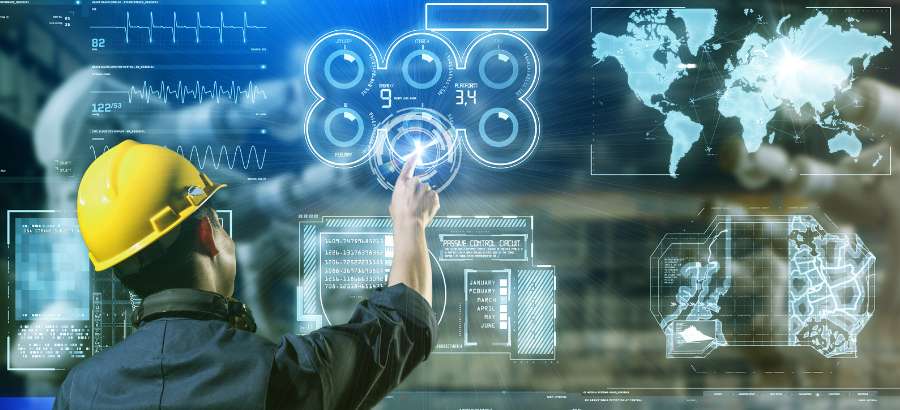
Benefits of Embracing Digital Workflows in Manufacturing
Factories that adopt digital processes experience a range of tangible improvements. The shift to digital workflows enables manufacturers to respond faster to changes, reduce waste, and make more informed decisions.
- Increased efficiency: Automation and real-time data reduce manual tasks and bottlenecks.
- Improved quality: Digital tracking and analytics help identify defects early and maintain consistent standards.
- Cost savings: Optimized resource use and predictive maintenance lower operational expenses.
- Enhanced traceability: Digital records make it easier to track materials, components, and finished goods throughout the supply chain.
- Agility: Factories can adapt production schedules quickly in response to demand or disruptions.
These benefits are especially important in today’s competitive market, where customer expectations and regulatory requirements are constantly evolving.
Key Technologies Powering Factory Digitization
Several technologies are central to the digitization of manufacturing processes. Each plays a unique role in creating a connected, data-driven factory environment.
- Industrial Internet of Things (IIoT): Networked sensors and devices collect and transmit data from machines and production lines.
- Cloud computing: Centralizes data storage and enables remote access to factory information.
- Artificial intelligence (AI) and machine learning: Analyze large data sets to identify patterns, predict failures, and optimize operations.
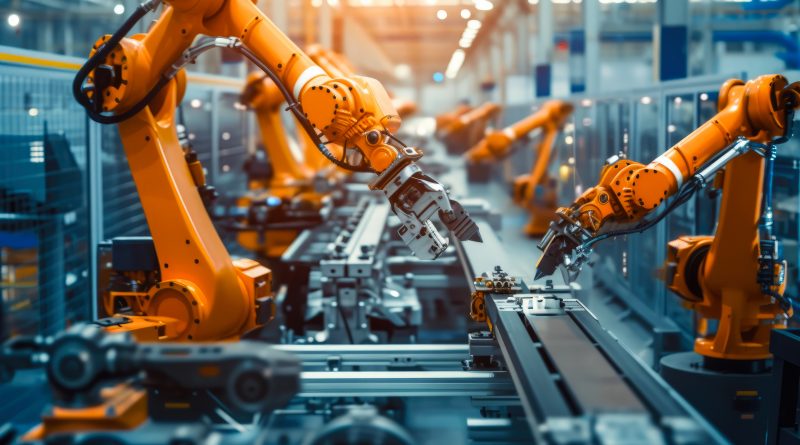
- Robotics and automation: Perform repetitive or hazardous tasks with high precision and consistency.
- Digital twins: Virtual models of physical assets used for simulation, monitoring, and optimization.
These technologies work together to create a foundation for smart manufacturing, where data is continuously leveraged to improve every aspect of production.
Steps to Start Digitizing Factory Processes
Transitioning to digital workflows can seem daunting, but a phased approach makes it manageable. Here are practical steps for manufacturers beginning their digitization journey:
- Assess current processes: Identify manual, paper-based, or disconnected workflows that could benefit from digitization.
- Set clear objectives: Define what you want to achieve—such as reducing downtime, improving quality, or increasing throughput.
- Choose the right technologies: Select tools and platforms that align with your goals and existing infrastructure.
- Pilot and scale: Start with a small project to test the impact, then expand successful solutions across the factory.
- Train staff: Ensure employees understand new systems and are equipped to use digital tools effectively.
- Monitor and optimize: Use data from digital systems to drive continuous improvement.
For a deeper dive into the concept of smart factories and how digitization fits into the broader landscape, explore this comprehensive overview of smart factory concepts.
Challenges and Considerations in Digital Transformation
While the advantages of digitizing factory processes are clear, there are also challenges to consider. Common obstacles include:
- Legacy equipment: Older machines may not be compatible with digital systems, requiring retrofitting or replacement.
- Data security: Increased connectivity can expose factories to cybersecurity risks.
- Change management: Employees may need support to adapt to new workflows and technologies.
- Integration complexity: Ensuring new digital tools work seamlessly with existing systems can be technically demanding.
Addressing these challenges requires careful planning, investment in training, and a commitment to ongoing improvement. Manufacturers should also stay informed about best practices and emerging trends in digital manufacturing.
Real-World Applications and Future Trends
Factories worldwide are already seeing the impact of digitization. Examples include predictive maintenance systems that reduce unplanned downtime, automated quality inspection using machine vision, and real-time production monitoring that enables rapid response to issues.
Looking ahead, the integration of AI-powered diagnostics and advanced analytics will further enhance decision-making and efficiency. As more manufacturers adopt digital tools, the industry will continue to evolve toward fully connected, intelligent production environments.
For those interested in creative inspiration on capturing the dynamic nature of industrial processes, resources like the motion blur creative inspiration guide can provide fresh perspectives.
FAQ: Common Questions About Digitizing Factory Processes
What is the difference between digitization, digitalization, and digital transformation?
Digitization refers to converting analog information or processes into digital form. Digitalization is the use of digital technologies to change business models and create new value. Digital transformation encompasses the broader organizational change that results from adopting digital technologies across all operations.
How can small and medium-sized factories start with process digitization?
Smaller manufacturers can begin by identifying high-impact areas—such as inventory tracking or maintenance scheduling—that can be digitized with minimal investment. Starting with pilot projects and leveraging cloud-based solutions can help reduce costs and complexity.
What are the first steps to ensure a successful digital transition?
Begin by assessing current workflows, setting clear objectives, and involving key stakeholders. Choose scalable technologies and invest in employee training to ensure smooth adoption. Continuous monitoring and feedback are essential for long-term success.
Process digitization is reshaping the future of manufacturing, offering factories new ways to compete and thrive. By embracing digital tools and strategies, manufacturers can unlock greater efficiency, quality, and innovation across their operations.