
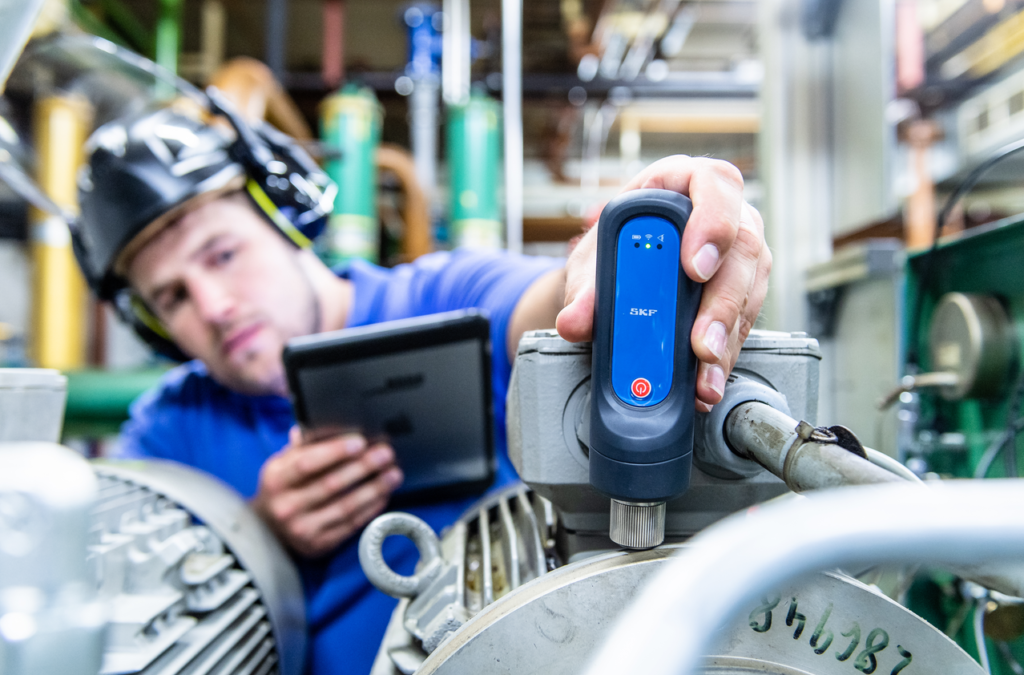
Understanding ISO vibration standards for machinery is essential for anyone involved in the maintenance, reliability, or safety of industrial equipment. These international guidelines define acceptable vibration levels, measurement methods, and evaluation criteria for a wide range of machines. Adhering to these standards not only helps prevent unexpected breakdowns but also extends equipment life, improves workplace safety, and ensures regulatory compliance.
For industries such as manufacturing, power generation, and food processing, vibration monitoring is a critical part of predictive maintenance strategies. By following established norms, organizations can detect early signs of mechanical issues, reduce downtime, and optimize asset performance. This article explores the key ISO standards, what they mean for your operations, and practical steps to achieve compliance.
For those working in specialized sectors, such as vibration analysis for power plants, understanding and applying these guidelines is especially important to safeguard critical assets and maintain operational continuity.
Why International Vibration Guidelines Matter
Vibration in machinery is a natural consequence of moving parts, but excessive or abnormal vibration often signals underlying problems. ISO vibration standards for machinery provide a universal language for assessing and managing these risks. By referencing these benchmarks, maintenance teams can:
- Identify early warning signs of mechanical faults
- Benchmark machine health against global best practices
- Reduce the risk of catastrophic failures and unplanned outages
- Ensure compliance with insurance, safety, and regulatory requirements
These standards are widely recognized and adopted by equipment manufacturers, service providers, and industrial operators worldwide.

Key ISO Standards for Machine Vibration
Several ISO documents address vibration measurement and evaluation. The most widely used include:
- ISO 10816 / ISO 20816: These standards provide general guidelines for evaluating vibration severity in rotating machinery. They cover a broad range of equipment, from small motors to large industrial machines.
- ISO 7919: Focuses on shaft vibration measurements for rotating equipment, especially turbines and large compressors.
- ISO 2372: An older standard, now largely replaced by ISO 10816, but still referenced in some legacy systems.
- ISO 13373: Offers guidance on condition monitoring and diagnostics of machines using vibration analysis.
Each standard specifies measurement locations, directions, frequency ranges, and acceptable vibration limits for different machine types and sizes. Adhering to these guidelines ensures consistency and reliability in vibration monitoring programs.
How to Measure and Evaluate Vibration According to ISO
To comply with ISO vibration standards for machinery, organizations must follow a structured approach to measurement and assessment:
- Choose the Right Instrumentation: Use calibrated vibration sensors (accelerometers, velocity sensors) and data collectors that meet ISO requirements.
- Follow Standard Measurement Procedures: Take readings at specified locations and directions as outlined in the relevant ISO document. For example, ISO 10816 recommends measurements on bearing housings in horizontal, vertical, and axial directions.
- Analyze the Data: Compare measured values against the severity zones defined in the standard. These zones typically range from “good” (Zone A) to “unacceptable” (Zone D).
- Document and Report: Maintain records of all measurements, analysis, and corrective actions for audit and compliance purposes.
Consistent application of these steps helps organizations maintain a proactive maintenance culture and avoid costly surprises.
Severity Zones and Acceptable Limits
One of the most practical aspects of ISO guidelines is the use of severity zones. For example, ISO 10816/20816 divides vibration levels into four categories:
| Zone | Description | Action |
|---|---|---|
| Zone A | Good, newly commissioned machines | Continue operation |
| Zone B | Acceptable for long-term operation | Monitor regularly |
| Zone C | Unsatisfactory for continuous operation | Plan corrective action |
| Zone D | Unacceptable, risk of damage | Immediate action required |
These zones are defined by vibration velocity (mm/s) or displacement (μm), depending on the machine type and size. Always refer to the specific ISO document for precise thresholds.
Common Challenges in Achieving Compliance
While the benefits of following ISO vibration standards for machinery are clear, organizations often face practical hurdles:
- Lack of Awareness: Not all maintenance teams are familiar with the latest ISO updates or how to interpret them.
- Instrumentation Issues: Using outdated or uncalibrated sensors can lead to inaccurate readings.
- Data Interpretation: Understanding what vibration data means in the context of machine health requires training and experience. Resources like machine vibration data interpretation guides can help bridge this gap.
- Resource Constraints: Smaller facilities may struggle to allocate time and budget for regular monitoring and analysis.
Addressing these challenges involves investing in staff training, modern monitoring tools, and clear documentation of procedures.

Best Practices for Implementing ISO Vibration Guidelines
To maximize the value of vibration monitoring and ensure full compliance, consider these practical tips:
- Integrate Vibration Monitoring Into Routine Maintenance: Make vibration checks a standard part of preventive maintenance schedules.
- Train Your Team: Ensure technicians understand how to take accurate measurements and interpret results according to ISO criteria.
- Leverage Digital Tools: Use modern data collectors, cloud-based analysis platforms, and automated alerts to streamline the process.
- Regularly Review and Update Procedures: Stay current with ISO revisions and adapt your internal protocols as needed.
- Benchmark Against Industry Peers: Compare your vibration data and compliance rates with similar facilities to identify improvement opportunities.
For more in-depth information on practical vibration analysis and its role in predictive maintenance, the Reliable Plant guide to vibration analysis offers valuable insights.
Industry Applications and Sector-Specific Considerations
While the core principles of ISO vibration standards for machinery apply across industries, some sectors have unique requirements:
- Power Generation: High-value assets such as turbines and generators demand strict adherence to vibration limits. See more on vibration analysis for power plants.
- Food Processing: Hygiene and uptime are critical, making vibration monitoring vital for both safety and productivity. Learn about vibration analysis for food processing equipment.
- Textile Manufacturing: Continuous operation of looms and spindles requires close monitoring to prevent costly stoppages. Explore vibration analysis for textile machinery for industry-specific advice.
Adapting ISO guidelines to your sector’s unique challenges ensures both compliance and operational excellence.
FAQ: ISO Vibration Standards and Machinery Compliance
What is the main purpose of ISO vibration standards for industrial equipment?
The primary goal is to provide a consistent framework for measuring, evaluating, and managing machine vibration. This helps organizations detect faults early, reduce downtime, and ensure safe, reliable operation across a wide range of equipment types.
How often should vibration measurements be taken to stay compliant?
The recommended frequency depends on machine criticality, operating conditions, and manufacturer guidelines. For most industrial assets, monthly or quarterly checks are common, but high-value or high-risk machines may require continuous monitoring.
Can ISO vibration standards be applied to older machines?
Yes, these guidelines are designed to be flexible and can be adapted to legacy equipment. However, it’s important to consider any unique characteristics or limitations of older machines when setting acceptable vibration thresholds and interpreting results.
What happens if a machine exceeds the recommended vibration limits?
If vibration levels fall into the “unsatisfactory” or “unacceptable” zones, immediate investigation and corrective action are required. This may involve balancing, alignment, bearing replacement, or other maintenance interventions to restore safe operation.
Conclusion
Adhering to ISO vibration standards for machinery is a cornerstone of modern maintenance and reliability programs. By understanding the relevant guidelines, investing in proper measurement tools, and training your team, you can ensure compliance, minimize risk, and maximize the lifespan of your critical assets. Whether you operate in power generation, food processing, textiles, or any other sector, these international standards provide a proven roadmap for safer and more efficient operations.