
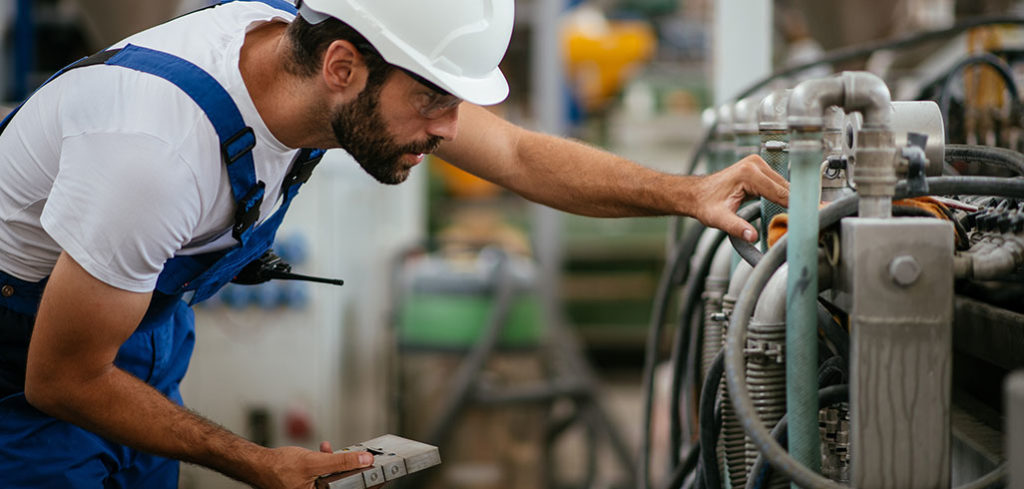
Effective machine asset management strategies are essential for organizations that rely on industrial equipment to maintain productivity, minimize downtime, and control costs. As machinery becomes more complex and the pressure for operational efficiency increases, businesses need to adopt systematic approaches that extend asset life and ensure consistent performance. This article explores proven methods for maximizing equipment reliability, reducing unexpected failures, and supporting sustainable operations.
Understanding the importance of proactive maintenance and data-driven decision-making is crucial for any industry—whether in manufacturing, energy, mining, or pharmaceuticals. By leveraging modern monitoring technologies and structured maintenance plans, companies can transform their approach to asset care and realize significant long-term benefits.
For industries with specialized requirements, targeted solutions such as vibration analysis for power plants can play a pivotal role in monitoring critical assets and preventing costly breakdowns.
Key Principles of Asset Reliability
Long-term equipment performance depends on a foundation of best practices that address both the physical condition of assets and the processes used to manage them. The following principles form the backbone of any robust asset management program:
- Preventive Maintenance: Scheduled inspections and servicing help catch issues before they escalate, reducing the risk of sudden failures.
- Condition Monitoring: Using sensors and analytics to track real-time machine health enables early detection of abnormal behavior.
- Data-Driven Decisions: Collecting and analyzing operational data supports smarter planning and resource allocation.
- Lifecycle Management: Considering the entire lifespan of equipment, from acquisition to disposal, ensures optimal value and sustainability.
Implementing Machine Asset Management Strategies
To achieve lasting reliability, organizations must integrate a range of machine asset management strategies tailored to their unique operational environment. The following steps outline a practical approach:
1. Asset Inventory and Criticality Assessment
Begin by cataloging all machinery and equipment, noting their age, usage, and maintenance history. Assign criticality ratings based on the impact of failure—prioritizing assets that are essential for safety, production, or regulatory compliance.
2. Preventive and Predictive Maintenance Planning
Develop a maintenance schedule that combines time-based tasks with predictive techniques. While routine inspections are important, predictive maintenance leverages real-time data to identify when servicing is truly needed, reducing unnecessary interventions and focusing resources where they matter most.

Technologies such as wireless vibration monitoring and thermal imaging are increasingly used to support condition-based maintenance, allowing teams to act on early warning signs before failures occur.
3. Leveraging Condition Monitoring for Asset Health
Condition monitoring is a cornerstone of modern machine asset management strategies. By continuously tracking parameters like vibration, temperature, and lubrication, organizations can detect wear, imbalance, or misalignment at an early stage.
For those interested in a deeper dive, resources like this overview of vibration analysis techniques provide valuable insights into how monitoring can be applied across different industries.
Specialized approaches are available for various sectors, such as vibration analysis for pharmaceutical plants and vibration analysis for mining equipment, each addressing unique operational challenges.
4. Root Cause Analysis and Continuous Improvement
When failures or anomalies are detected, conducting a thorough root cause analysis helps prevent recurrence. By identifying underlying issues—whether related to design, operation, or maintenance—organizations can implement corrective actions and refine their processes over time.
Continuous improvement should be embedded in the asset management culture, encouraging feedback, training, and adaptation as new technologies and insights emerge.
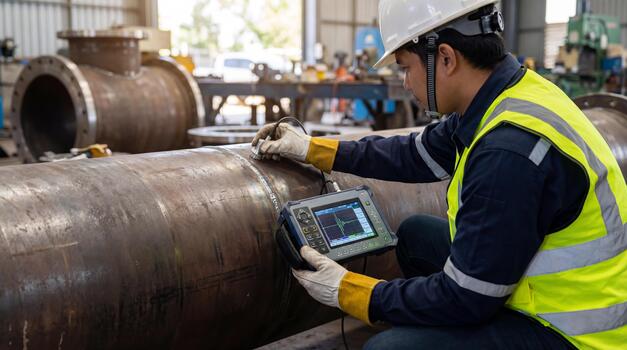
Technology’s Role in Modern Asset Management
Digital transformation is reshaping how organizations approach equipment reliability. The integration of Industrial Internet of Things (IIoT) devices, cloud-based analytics, and mobile maintenance platforms enables more granular visibility and faster response times.
- Remote Monitoring: IIoT sensors transmit real-time data to centralized dashboards, allowing teams to monitor asset health from anywhere.
- Predictive Analytics: Advanced algorithms analyze trends and anomalies, predicting failures before they disrupt operations.
- Mobile Workflows: Technicians can access maintenance records, schedules, and alerts on mobile devices, streamlining fieldwork and documentation.
These advancements not only improve reliability but also support compliance, sustainability, and cost control.
Industry-Specific Approaches to Asset Care
Different sectors face unique challenges when it comes to maintaining machinery. For example, textile manufacturers benefit from vibration analysis for textile machinery to keep looms running smoothly, while food processors focus on hygiene and uptime with vibration analysis for food processing equipment.
Customizing asset management strategies to the specific risks, regulations, and production requirements of each industry is key to achieving optimal results.
Best Practices for Sustainable Equipment Reliability
To maximize the value of machine assets over their lifetime, organizations should adopt the following best practices:
- Standardize Procedures: Develop clear, documented processes for maintenance, inspections, and repairs.
- Invest in Training: Equip staff with the skills needed to operate, maintain, and troubleshoot modern equipment.
- Foster Collaboration: Encourage communication between operations, maintenance, and engineering teams to share insights and coordinate efforts.
- Track Performance Metrics: Monitor key indicators such as mean time between failures (MTBF), mean time to repair (MTTR), and overall equipment effectiveness (OEE) to guide continuous improvement.
By embedding these practices into daily operations, companies can reduce unplanned downtime, extend asset life, and support long-term business goals.
FAQ
What is the difference between preventive and predictive maintenance?
Preventive maintenance involves scheduled tasks performed at regular intervals, regardless of equipment condition, to prevent failures. Predictive maintenance, on the other hand, uses real-time data and analytics to determine when maintenance is actually needed, allowing for more targeted and efficient interventions.
How does condition monitoring improve equipment reliability?
Condition monitoring continuously tracks key parameters such as vibration, temperature, and lubrication. By detecting early signs of wear or malfunction, it enables maintenance teams to address issues before they lead to costly breakdowns, thus improving overall reliability and reducing downtime.
Why is asset criticality assessment important?
Assessing asset criticality helps organizations prioritize maintenance and monitoring efforts on equipment that has the greatest impact on safety, production, or compliance. This ensures that resources are allocated efficiently and that the most important assets receive the attention they need to perform reliably.