
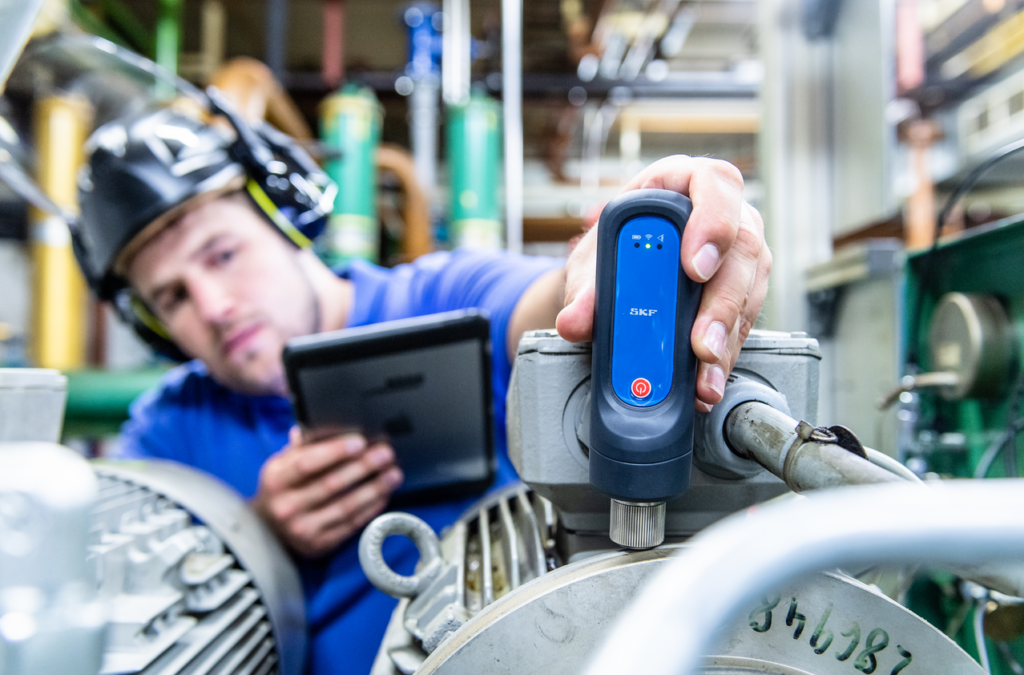
Industrial machinery is the backbone of many sectors, from manufacturing to mining and power generation. However, even the most robust machines can experience imbalance issues that lead to excessive vibration, reduced efficiency, and costly downtime. For maintenance engineers, understanding the right machine imbalance troubleshooting steps is essential to keep assets running smoothly and prevent unexpected failures.
This article provides a practical guide to identifying, diagnosing, and resolving imbalance in rotating equipment. We’ll cover the signs of imbalance, step-by-step troubleshooting, and best practices for ongoing reliability. For those working in specialized industries, such as mining or power generation, you may find additional insights in resources like vibration analysis for power plants, which explores monitoring strategies for critical assets.
Understanding the Causes and Effects of Imbalance
Rotating machinery, such as pumps, fans, motors, and compressors, relies on balanced mass distribution to operate efficiently. When the center of mass does not align with the axis of rotation, imbalance occurs. This can result from manufacturing defects, wear and tear, material buildup, or improper assembly.
The effects of imbalance are often felt as increased vibration, noise, and heat. Over time, these symptoms can accelerate bearing wear, loosen fasteners, and even cause catastrophic failure. Recognizing the early warning signs is the first step in effective machine imbalance troubleshooting.
Key Indicators of Imbalance in Rotating Equipment
Before diving into troubleshooting, maintenance engineers should be familiar with the typical symptoms of imbalance:
- Excessive vibration at a frequency matching the rotational speed
- Unusual noise or humming from bearings or housings
- Visible wobble or movement in shafts or couplings
- Increased temperature in bearings or motor casings
- Premature bearing or seal failures
These signs can overlap with other mechanical issues, so a systematic approach is crucial.

Step-by-Step Guide: Machine Imbalance Troubleshooting Steps
A structured process helps maintenance teams quickly pinpoint and correct imbalance issues. Here’s a proven sequence for diagnosing and resolving these problems:
1. Initial Visual Inspection
Begin by shutting down the equipment and performing a thorough visual check. Look for:
- Loose or missing fasteners
- Signs of material buildup (dust, grease, corrosion) on rotating parts
- Damaged or worn components such as couplings, pulleys, or belts
- Misalignment between connected shafts
Addressing obvious issues at this stage can sometimes resolve the problem without further intervention.
2. Vibration Measurement and Analysis
If the visual inspection does not reveal the cause, use vibration analysis tools to collect data. Measure vibration levels at key points (bearings, housings, shafts) and compare them to baseline values. Imbalance typically produces a strong vibration peak at 1x running speed.
For a deeper dive into vibration monitoring, review resources like vibration analysis for mining equipment or explore how vibration analysis can identify imbalance and other faults in industrial settings.

3. Confirming the Type of Imbalance
Not all imbalances are the same. Maintenance engineers should distinguish between:
- Static imbalance: Mass is unevenly distributed along the rotor’s diameter, causing the shaft to rotate unevenly.
- Couple imbalance: Mass is unevenly distributed at two equal but opposite points along the shaft, leading to a rocking motion.
- Dynamic imbalance: A combination of static and couple imbalance, often seen in longer rotors.
Identifying the correct type helps determine the most effective correction method.
4. Balancing Procedures
Once the type of imbalance is confirmed, proceed with balancing:
- Clean the rotor to remove any debris or buildup.
- Check for bent shafts or damaged components and replace as needed.
- Use field balancing equipment to add or remove weight at specific locations on the rotor.
- For severe cases, consider sending the component to a specialist for precision balancing.
Always document changes and retest vibration levels after each adjustment.
5. Reassembly and Verification
After balancing, reassemble the machine and run it under normal operating conditions. Monitor for residual vibration, noise, or heat. If symptoms persist, repeat the troubleshooting process or consult with a vibration analysis expert.
Best Practices for Preventing Imbalance Recurrence
Preventive maintenance is key to minimizing future imbalance issues. Maintenance engineers should:
- Schedule regular cleaning and inspection of rotating parts
- Monitor vibration trends over time to catch early signs of imbalance
- Ensure proper alignment during installation and after repairs
- Use high-quality components and follow manufacturer torque specifications
- Train staff on the importance of balance and proper handling of rotors
For industry-specific strategies, such as those used in food processing or textiles, see resources like vibration analysis for food processing equipment or vibration analysis for textile machinery.
Common Pitfalls in Machine Imbalance Troubleshooting
Even experienced engineers can overlook certain factors during troubleshooting. Watch out for these common mistakes:
- Ignoring coupling misalignment, which can mimic imbalance symptoms
- Neglecting to check for looseness in mounting bolts or foundation
- Assuming all vibration is due to imbalance without ruling out bearing defects or resonance
- Failing to retest after each corrective action
- Overlooking the impact of environmental factors, such as temperature or humidity
A methodical approach and attention to detail are essential for reliable results.
FAQ: Troubleshooting Imbalance in Industrial Machinery
What is the most common cause of imbalance in rotating equipment?
The most frequent cause is uneven mass distribution due to material buildup, wear, or manufacturing defects. Regular cleaning and inspection can help prevent this issue.
How can vibration analysis help in diagnosing imbalance?
Vibration analysis detects abnormal vibration patterns that correspond to imbalance. By measuring vibration at different points and frequencies, engineers can pinpoint the source and severity of the problem.
Is it safe to operate machinery with minor imbalance?
Even minor imbalance can accelerate wear and lead to more serious failures over time. It’s best to address imbalance promptly to ensure safety and equipment longevity.
Conclusion
Effective machine imbalance troubleshooting steps are vital for maintenance engineers tasked with keeping industrial assets reliable and efficient. By following a structured process—visual inspection, vibration analysis, precise balancing, and preventive maintenance—engineers can minimize downtime and extend equipment life. Staying vigilant and leveraging modern diagnostic tools will ensure that imbalance issues are quickly identified and resolved, supporting safe and productive operations across industries.