
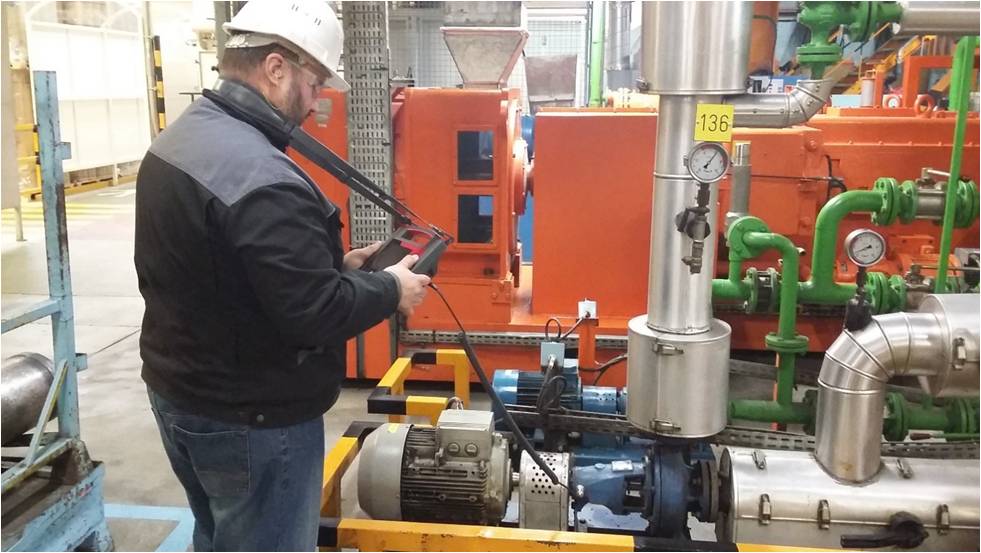
Effective machine maintenance optimization techniques are crucial for industries aiming to reduce downtime, extend equipment lifespan, and improve operational efficiency. As manufacturing and process plants become more reliant on automation and high-value machinery, the need for proactive maintenance strategies has never been greater. One of the most powerful approaches to predictive maintenance is the use of vibration data, which provides early warnings of mechanical issues before they escalate into costly failures.
Vibration analysis has evolved from a specialist’s tool to a mainstream solution for maintenance teams across sectors such as power generation, pharmaceuticals, food processing, textiles, and mining. By leveraging vibration data, organizations can transition from reactive to predictive maintenance, optimizing resource allocation and minimizing unplanned outages. For industry-specific insights, you can explore how vibration analysis for power plants supports monitoring of critical assets.
Understanding Vibration Data in Maintenance Strategies
Vibration data is a cornerstone of modern machine maintenance optimization techniques. It involves measuring oscillations in machinery components, such as bearings, shafts, and motors, to detect anomalies that indicate wear, misalignment, imbalance, or looseness. These subtle changes often precede visible or audible signs of failure, allowing maintenance teams to intervene early.
Sensors placed on critical assets continuously collect vibration signals. These signals are then analyzed using specialized software to identify patterns and deviations from established baselines. By interpreting these patterns, maintenance professionals can prioritize interventions, schedule repairs during planned outages, and avoid catastrophic breakdowns.

Key Benefits of Vibration-Based Maintenance Optimization
Adopting vibration-based approaches offers several clear advantages for asset-intensive industries:
- Early Fault Detection: Vibration analysis detects minor defects before they develop into major failures, reducing emergency repairs.
- Reduced Downtime: By scheduling maintenance based on real equipment condition, plants can minimize unplanned outages and production losses.
- Cost Savings: Targeted interventions lower spare parts consumption and labor costs, while maximizing asset lifespan.
- Improved Safety: Identifying mechanical issues early helps prevent hazardous incidents associated with catastrophic equipment failures.
- Data-Driven Decisions: Maintenance teams can use objective data to justify investments, optimize schedules, and demonstrate compliance.
These benefits make vibration monitoring a key element in any comprehensive maintenance optimization plan.
Implementing Predictive Maintenance with Vibration Monitoring
To get the most from vibration data, organizations should follow a structured approach:
- Asset Selection: Identify critical machines where failure would cause significant disruption or cost. Focus initial efforts on these assets.
- Sensor Deployment: Install vibration sensors at strategic points—typically on bearings, gearboxes, and motors. Wireless sensors can simplify installation in hard-to-reach areas.
- Baseline Establishment: Record vibration signatures during normal operation to create reference points for future comparisons.
- Continuous Monitoring: Use automated systems to collect and transmit data in real time. This enables immediate detection of abnormal patterns.
- Data Analysis: Apply advanced analytics or machine learning algorithms to interpret vibration signals. This step is essential for distinguishing between benign variations and actionable faults.
- Maintenance Planning: Integrate findings into the maintenance management system. Schedule interventions based on condition rather than fixed intervals.
For a deeper dive into techniques and technologies, the vibration analysis resource from Technomax provides a comprehensive overview of best practices and case studies.
Common Machine Issues Identified Through Vibration Analysis
Vibration data can reveal a wide range of mechanical problems, including:
- Imbalance: Uneven mass distribution causes excessive vibration, leading to premature wear.
- Misalignment: Shafts or couplings that are not properly aligned can generate abnormal vibration signatures.
- Bearing Defects: Spalling, pitting, or lubrication issues in bearings are often detected early through changes in vibration frequency and amplitude.
- Gear Wear: Damaged or worn gear teeth produce distinctive vibration patterns that can be tracked over time.
- Looseness: Structural or component looseness results in erratic vibration, signaling the need for tightening or repair.
By pinpointing the root cause, maintenance teams can apply targeted solutions rather than generic fixes, further optimizing resources.
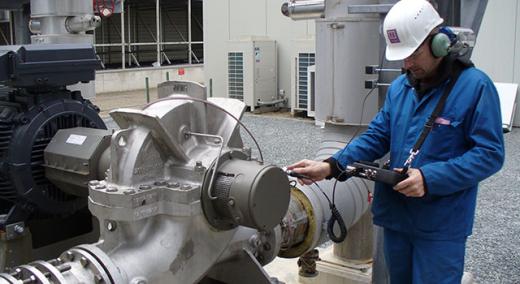
Industry Applications of Maintenance Optimization Techniques
The principles of vibration-based optimization are applicable across a range of industries. For example:
- Vibration analysis for pharmaceutical plants helps ensure compliance and maximizes uptime in regulated environments.
- Vibration analysis for food processing equipment supports food safety and continuous production.
- Vibration analysis for textile machinery keeps looms and spinning machines running smoothly.
- Vibration analysis for mining equipment enhances reliability in harsh underground conditions.
These examples illustrate the versatility of vibration monitoring as a foundation for smarter maintenance programs.
Best Practices for Maximizing Results
To fully realize the benefits of machine maintenance optimization techniques using vibration data, consider the following best practices:
- Train Staff: Ensure maintenance personnel are skilled in interpreting vibration data and using analysis tools effectively.
- Integrate Systems: Connect vibration monitoring platforms with computerized maintenance management systems (CMMS) for seamless workflow.
- Regularly Review Baselines: Update reference vibration signatures as equipment ages or is modified.
- Act on Insights: Establish clear protocols for responding to alerts, including escalation procedures and documentation.
- Continuous Improvement: Use feedback from interventions to refine monitoring strategies and improve accuracy over time.
Organizations that embed these practices into their maintenance culture can expect sustained improvements in reliability, safety, and cost control.
Frequently Asked Questions
How does vibration data improve maintenance scheduling?
Vibration monitoring enables maintenance teams to identify equipment issues before they become critical. By acting on early warnings, teams can plan interventions during scheduled downtimes, reducing the risk of unexpected failures and optimizing maintenance schedules.
What types of machinery benefit most from vibration-based optimization?
Rotating equipment such as pumps, motors, fans, gearboxes, and compressors benefit significantly from vibration analysis. These machines are prone to issues like imbalance, misalignment, and bearing wear, all of which can be detected early through vibration monitoring.
Is vibration analysis suitable for all industries?
Yes, vibration-based maintenance optimization is applicable across a wide range of sectors, including manufacturing, energy, pharmaceuticals, food processing, textiles, and mining. The approach can be tailored to the specific needs and regulatory requirements of each industry.