
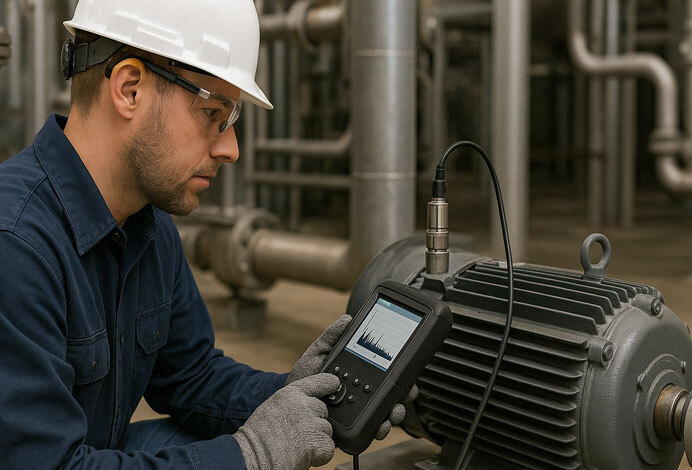
Understanding the relationship between machine vibration and workplace safety is essential for any manager overseeing industrial operations. Excessive or abnormal vibrations in equipment can signal underlying mechanical issues, but more importantly, they can pose significant risks to both personnel and facility infrastructure. Unchecked vibrations may lead to equipment failure, increased downtime, and even hazardous working conditions. By prioritizing vibration monitoring, managers not only protect assets but also ensure a safer environment for their teams.
This article explores the critical aspects of vibration in machinery, its impact on occupational safety, and actionable steps managers can take to minimize risks. For those managing specialized sectors, such as energy or manufacturing, leveraging advanced techniques like vibration analysis for power plants can further enhance reliability and safety.
Why Monitoring Vibrations Matters for Safety
Machinery in industrial settings naturally produces some level of vibration during operation. However, when vibration levels exceed normal thresholds, they can indicate misalignment, imbalance, looseness, or wear in components. These issues, if left unaddressed, can escalate into severe mechanical failures, potentially causing accidents or injuries.
From a safety perspective, excessive vibration can result in:
- Unexpected equipment breakdowns, leading to hazardous situations
- Loose parts or fasteners that may detach and become projectiles
- Structural fatigue in floors, supports, or mounting points
- Increased noise levels, which can harm hearing and communication
- Ergonomic risks for workers exposed to hand-arm or whole-body vibration
By implementing a robust vibration monitoring program, managers can detect early warning signs and intervene before minor issues become major safety threats.
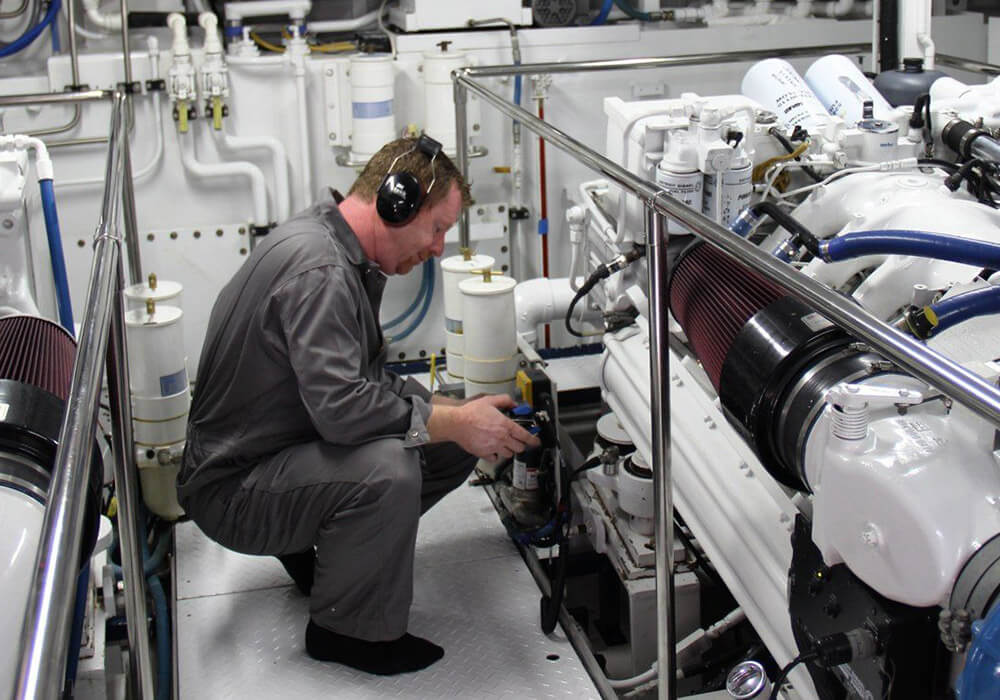
Common Causes of Harmful Machine Vibrations
Several factors contribute to problematic vibration in industrial equipment. Recognizing these causes is the first step toward effective prevention and control.
- Imbalance: When rotating parts have uneven weight distribution, centrifugal forces create repetitive stress and vibration.
- Misalignment: Shafts or couplings that are not properly aligned transmit abnormal forces throughout the system.
- Mechanical Looseness: Worn bearings, bolts, or mounts can allow excessive movement, amplifying vibration.
- Resonance: When a machine’s natural frequency matches the frequency of vibration, even small forces can cause large oscillations.
- Wear and Tear: Over time, components degrade, leading to increased friction and irregular motion.
Understanding these root causes enables maintenance teams to target inspections and repairs more effectively, reducing the likelihood of unsafe conditions.
Health Risks Associated with Prolonged Vibration Exposure
Beyond equipment damage, persistent exposure to vibration can have serious health consequences for workers. The two main types of occupational vibration exposure are:
- Hand-arm vibration: Common in workers using power tools, this can lead to Hand-Arm Vibration Syndrome (HAVS), nerve damage, and circulatory issues.
- Whole-body vibration: Often experienced by operators of heavy vehicles or machinery, this may contribute to musculoskeletal disorders, back pain, and fatigue.
Regulatory bodies, such as OSHA and the European Union, have established exposure limits and guidelines to protect workers. Managers must ensure compliance and regularly assess vibration levels in the workplace.
Best Practices for Managing Machine Vibration and Workplace Safety
To minimize risks and maintain a safe working environment, managers should adopt a proactive approach to vibration management. Key strategies include:
- Routine Vibration Monitoring: Use sensors and data loggers to track vibration trends in critical assets. Early detection allows for timely intervention.
- Regular Maintenance and Inspections: Schedule preventive maintenance to address imbalance, misalignment, and wear before they escalate.
- Employee Training: Educate staff on the signs of abnormal vibration and proper reporting procedures.
- Risk Assessments: Conduct periodic evaluations of equipment and workstations to identify areas with elevated vibration exposure.
- Engineering Controls: Implement vibration dampers, isolators, or redesign mounting systems to reduce transmission to workers and structures.
For managers seeking a deeper understanding of vibration data, resources like machine vibration data interpretation offer practical field guidance.
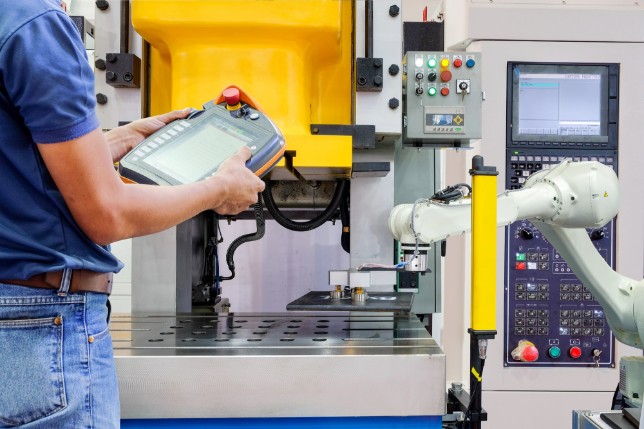
Industry Applications: Where Vibration Safety Is Critical
Certain industries face heightened risks from machine vibration due to the scale and complexity of their operations. For example:
- Power Generation: Turbines, generators, and pumps require continuous monitoring to prevent catastrophic failures. Learn more about vibration analysis for power plants and its role in asset protection.
- Textile Manufacturing: High-speed looms and spindles are sensitive to imbalance and misalignment. Explore vibration analysis for textile machinery for tailored solutions.
- Food Processing: Equipment uptime and hygiene are paramount. Read about vibration analysis for food processing equipment to maintain both safety and productivity.
- Mining: Heavy-duty machinery operates in harsh environments, making reliability and safety top priorities. Discover more on vibration analysis for mining equipment.
In each of these sectors, a commitment to vibration safety translates directly into fewer accidents, lower maintenance costs, and improved operational efficiency.
Leveraging Predictive Maintenance for Safer Workplaces
Predictive maintenance, powered by vibration analysis, allows organizations to anticipate failures before they occur. By continuously collecting and analyzing vibration data, maintenance teams can identify patterns that signal impending issues. This approach reduces unplanned downtime and helps managers allocate resources more effectively.
For those new to this field, a beginner’s guide to predictive maintenance using vibration analysis offers a comprehensive introduction to the technology and its benefits.
The integration of predictive tools not only enhances equipment reliability but also strengthens workplace safety by preventing hazardous failures.
Frequently Asked Questions
What are the first signs of dangerous machine vibration?
Early indicators include unusual noise, excessive heat, visible shaking, or changes in equipment performance. Operators may also notice loose fasteners or increased wear on components. Prompt investigation of these symptoms can prevent more serious safety hazards.
How often should vibration monitoring be performed?
The frequency depends on the criticality of the equipment and its operating environment. For essential assets, continuous monitoring is ideal. For less critical machines, periodic checks—monthly or quarterly—may suffice. Always follow manufacturer recommendations and industry best practices.
Can vibration exposure affect worker health long-term?
Yes. Prolonged exposure to high vibration levels can cause conditions such as Hand-Arm Vibration Syndrome, musculoskeletal disorders, and circulatory problems. Employers should regularly assess exposure levels and provide protective measures to minimize risks.
Conclusion
Effective management of machine vibration and workplace safety is a cornerstone of modern industrial operations. By understanding the sources and risks of vibration, implementing regular monitoring, and adopting predictive maintenance strategies, managers can create safer, more reliable workplaces. Proactive attention to vibration not only protects equipment but also safeguards the well-being of every employee on the floor.