
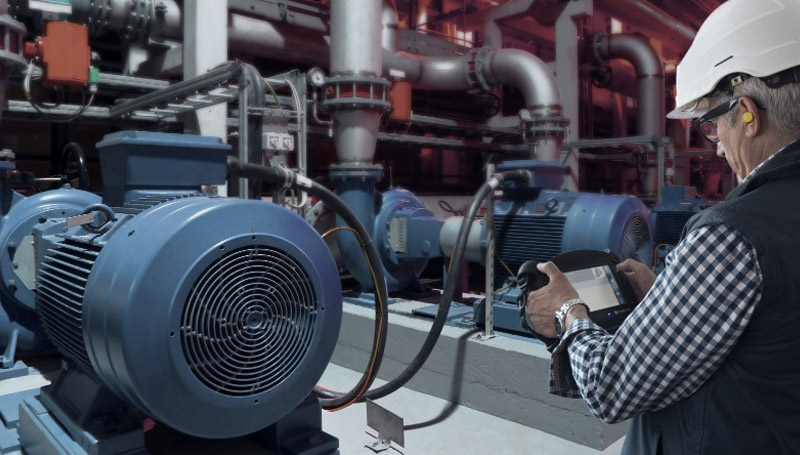
When industrial equipment is first powered on, it’s common to notice some level of machine vibration during startup. But how much is too much? Recognizing the difference between acceptable startup behavior and early warning signs of trouble is crucial for plant reliability, safety, and maintenance planning. This article explores the typical causes of vibration at startup, what levels are considered normal, and how to distinguish between harmless and problematic patterns.
For those working in sectors like power generation, manufacturing, or food processing, understanding vibration signatures can help prevent costly breakdowns. If you’re interested in how vibration monitoring applies to specific industries, you may find our guide on vibration analysis for power plants particularly useful.
Why Machines Vibrate When Starting Up
Most rotating equipment, such as motors, pumps, fans, and compressors, will experience some degree of vibration as they accelerate from rest to operating speed. This is a natural result of mechanical forces coming into play, including:
- Imbalance: Even minor mass imbalances in rotors or shafts can cause increased vibration, especially as speed increases.
- Misalignment: Shafts that are not perfectly aligned with their couplings or bearings may create additional forces during startup.
- Looseness: Components that are not tightly secured may move or shift as the machine accelerates.
- Resonance: Passing through certain speeds may excite natural frequencies in the structure, temporarily amplifying vibration.
Some of these effects are temporary and diminish as the machine reaches steady-state speed. Others may indicate underlying issues that need attention.

What Is Considered Normal Vibration at Startup?
Determining what is “normal” for machine vibration during startup depends on several factors, including the type of equipment, its size, mounting, and operating environment. However, there are some general guidelines:
- Short Duration: A brief spike in vibration as the machine accelerates is typical, especially when passing through resonance zones.
- Return to Baseline: Vibration levels should settle to their normal operating range within seconds to a minute after reaching full speed.
- Consistent Pattern: The vibration signature during startup should be similar each time, provided the machine and process conditions have not changed.
If vibration remains elevated or increases over time, it may signal a developing fault. Comparing startup trends with historical data can help identify abnormal changes early.
Common Causes of Excessive Vibration During Startup
While some vibration is expected, certain conditions can lead to higher-than-normal levels. Watch for these potential causes:
- Severe Imbalance: Missing balance weights, buildup on rotors, or damaged blades can all increase vibration.
- Worn or Loose Bearings: Excessive play in bearings can cause instability as the shaft accelerates.
- Foundation or Mounting Issues: Weak or cracked foundations, loose anchor bolts, or deteriorated mounts may amplify vibration.
- Misalignment: Coupling or shaft misalignment often produces higher vibration at startup and during operation.
- Resonance Problems: If a machine’s critical speed is too close to its operating speed, vibration may not subside as expected.
Addressing these issues early can prevent more serious failures and unplanned downtime.
How to Monitor and Analyze Startup Vibration
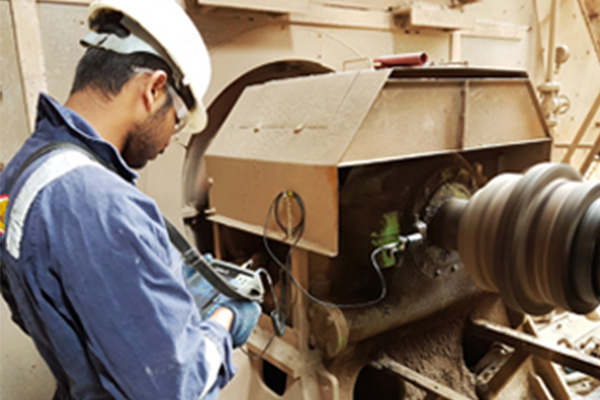
Modern condition monitoring systems make it easier than ever to track and analyze machine vibration during startup. Here are some best practices:
- Install Vibration Sensors: Place accelerometers or velocity sensors on key locations, such as bearings and housings.
- Record Baseline Data: Capture vibration signatures during startup and normal operation for future comparison.
- Trend Analysis: Regularly review startup vibration trends to spot gradual changes or sudden spikes.
- Use Diagnostic Tools: Apply spectrum analysis, waveform analysis, and phase measurements to pinpoint root causes.
- Set Alarm Thresholds: Configure monitoring systems to alert operators if vibration exceeds safe limits during startup.
For a deeper dive into interpreting vibration data, see our resource on machine vibration data interpretation.
Industry Standards and Acceptable Limits
Organizations such as the International Organization for Standardization (ISO) provide guidelines for acceptable vibration levels in rotating machinery. For example, ISO 10816-3 outlines vibration severity zones for industrial machines. While these standards focus on steady-state operation, they can also help evaluate startup behavior:
- Zone A: Vibration values typically acceptable for long-term operation.
- Zone B: Machines are normally considered satisfactory for unrestricted operation.
- Zone C: Vibration at this level is usually considered unsatisfactory for continuous operation.
- Zone D: Vibration values in this zone are likely to cause damage.
During startup, brief excursions into higher zones may be acceptable, but persistent high vibration should be investigated.
Preventive Actions and Troubleshooting Tips
To minimize the risk of excessive vibration during startup, consider these practical steps:
- Perform regular maintenance and inspections of rotating components.
- Check and correct alignment and balance issues promptly.
- Ensure all mounting bolts and foundations are secure and in good condition.
- Monitor lubrication levels and bearing health.
- Train operators to recognize abnormal vibration patterns and respond quickly.
Using advanced monitoring tools can help detect subtle changes before they escalate. For more insights, explore this comprehensive overview of vibration analysis techniques for industrial applications.
Applications Across Different Industries
The principles of monitoring startup vibration apply across many sectors. For example, in textile manufacturing, keeping looms running smoothly depends on early detection of abnormal vibration. Our article on vibration analysis for textile machinery covers this topic in detail. Similarly, in food processing, maintaining uptime and safety is closely linked to vibration monitoring, as outlined in our guide to vibration analysis for food processing equipment.
FAQ: Machine Vibration at Startup
What are the main reasons for increased vibration when starting a machine?
Common causes include rotor imbalance, misalignment, looseness in components, resonance, and worn bearings. These factors can temporarily increase vibration as the equipment accelerates, but persistent high levels may indicate a fault.
How can I tell if startup vibration is a problem or just normal behavior?
Normal startup vibration is typically brief and returns to baseline as the machine reaches full speed. If vibration remains elevated, increases over time, or is accompanied by unusual noises or heat, further investigation is recommended.
What should I do if I notice abnormal vibration during startup?
First, compare the vibration pattern to historical data for the same machine. If the pattern is new or more severe, inspect for imbalance, misalignment, loose parts, or bearing issues. Consider using diagnostic tools or consulting a vibration analysis specialist if the cause is not immediately clear.