
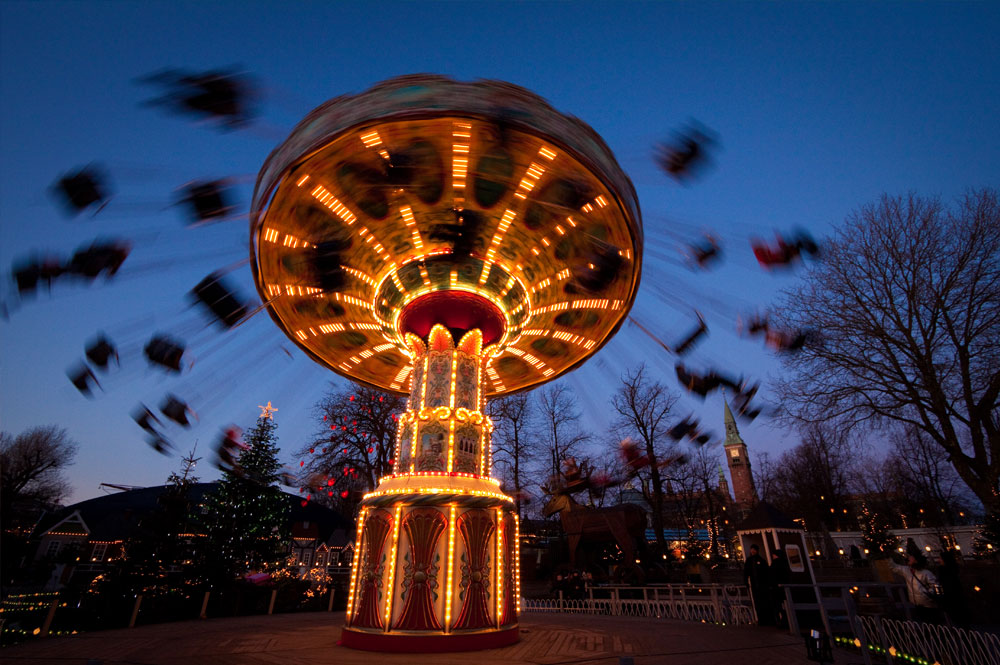
Understanding the motion blur and focal length connection is essential for photographers aiming to capture sharp images or create intentional blur for artistic effect. The interplay between lens focal length and the appearance of motion blur directly impacts how movement is rendered in your photos. Whether you shoot fast-moving subjects or want to experiment with creative blur, knowing how these factors interact will help you make informed decisions about camera settings and technique.
This article explores how focal length influences motion blur, provides practical tips for minimizing unwanted blur, and offers guidance for using this effect creatively. If you’re looking to deepen your understanding or troubleshoot blurry images, you’ll find actionable advice here. For more inspiration and practical examples, you might also enjoy browsing these motion blur composition examples to see how different settings and approaches affect the final result.
How Focal Length Affects Motion Blur
The relationship between focal length and motion blur is rooted in how different lenses magnify movement. A longer focal length (such as a telephoto lens) amplifies even small amounts of camera shake or subject movement, making blur more noticeable. In contrast, wide-angle lenses (shorter focal lengths) are more forgiving, as the same movement covers a smaller portion of the frame.
This effect is especially important when shooting handheld. For example, a 200mm lens will show much more blur from a slight hand movement than a 35mm lens at the same shutter speed. That’s why photographers often use faster shutter speeds or stabilization when working with longer lenses.

Shutter Speed, Focal Length, and the “Reciprocal Rule”
To minimize unwanted blur, photographers often follow the “reciprocal rule.” This guideline suggests using a shutter speed at least as fast as the reciprocal of your lens’s focal length. For example, with a 100mm lens, use a shutter speed of 1/100 second or faster. If you’re using a 50mm lens, 1/50 second is the minimum recommended speed.
This rule is a starting point, not a guarantee. If your subject is moving quickly, or if you’re shooting at high resolutions, you may need even faster shutter speeds. Image stabilization technology can also help, but it primarily compensates for camera shake, not subject movement.
Practical Examples of Motion Blur with Different Lenses
Let’s look at how the same shutter speed produces different results depending on the lens:
- 24mm wide-angle lens at 1/30s: Minor hand movement is barely visible, and most subjects appear sharp unless they’re moving quickly.
- 85mm portrait lens at 1/30s: Handheld shots often show noticeable blur, especially if the subject is not perfectly still.
- 200mm telephoto lens at 1/30s: Even the slightest shake or movement results in pronounced blur across the image.
These examples highlight why it’s important to adjust your shutter speed as you change focal lengths. For more technical details and creative ideas, the motion blur cinematic photography guide offers in-depth insights.
Creative Uses of Motion Blur with Various Focal Lengths
While many photographers strive to avoid blur, it can also be used intentionally for artistic effect. Longer lenses can create dramatic streaks of movement, isolating your subject against a blurred background. Shorter lenses, on the other hand, often produce subtler blur, which can add a sense of energy without overwhelming the composition.

Panning is a popular technique that leverages the interplay between focal length and blur. By following a moving subject with your camera and using a slower shutter speed, you can keep the subject relatively sharp while blurring the background. The effect is often more pronounced with longer lenses, which compress the scene and exaggerate the sense of speed.
For more creative inspiration, check out the motion blur creative inspiration resource, which showcases how different focal lengths and settings can be used to achieve unique visual effects.
Tips for Managing Motion Blur in Your Photography
Whether you want to minimize blur or use it creatively, these tips will help you get the results you want:
- Stabilize your camera: Use a tripod or image stabilization, especially with longer lenses.
- Increase shutter speed: The longer your lens, the faster your shutter speed should be to avoid unwanted blur.
- Anticipate subject movement: Fast-moving subjects require even faster shutter speeds, regardless of focal length.
- Experiment with intentional blur: Slow down your shutter speed and try panning or tracking to create dynamic effects.
- Review your images: Zoom in on your camera’s LCD to check for sharpness and adjust settings as needed.
Beginners can benefit from step-by-step advice in the motion blur settings for beginners guide, which covers the basics of balancing shutter speed, focal length, and movement.
Common Challenges and How to Overcome Them
Achieving the right balance between sharpness and blur can be tricky, especially in low light or fast-paced environments. Here are some common issues and solutions:
- Low light situations: Use a wider aperture or higher ISO to allow for faster shutter speeds without underexposing your image.
- Camera shake with telephoto lenses: Always use a support system or stabilization when shooting at longer focal lengths.
- Unwanted blur in action shots: Pre-focus on the area where the action will occur and use burst mode to increase your chances of getting a sharp frame.
For a deeper dive into technical settings and before-and-after comparisons, the motion blur before and after examples guide can be a valuable reference.
Further Resources on Motion Blur and Lens Choice
If you want to expand your knowledge beyond the basics, there are many resources available. For a comprehensive overview of techniques and creative approaches, this in-depth tutorial on capturing motion blur provides practical examples and expert advice.
Remember, mastering the relationship between lens choice and blur is a process of experimentation. Don’t be afraid to try different settings, review your results, and adjust your approach based on the scene and your creative goals.
FAQ
How does focal length influence the amount of motion blur in a photo?
Longer focal lengths magnify both subject movement and camera shake, making motion blur more noticeable. Shorter lenses are more forgiving, so the same amount of movement will result in less visible blur. Adjusting your shutter speed to match your lens is key to controlling this effect.
What is the best way to avoid unwanted blur when using a telephoto lens?
Use a faster shutter speed—ideally at least the reciprocal of your lens’s focal length (e.g., 1/200s for a 200mm lens). Stabilize your camera with a tripod or image stabilization, and consider increasing ISO or opening your aperture to allow for faster exposures.
Can motion blur be used creatively with any lens?
Yes, motion blur can be achieved with any focal length, but the effect varies. Wide-angle lenses create subtle, sweeping blur, while telephoto lenses exaggerate movement and compress the scene. Experimenting with different lenses and shutter speeds will help you discover the creative possibilities unique to each setup.