
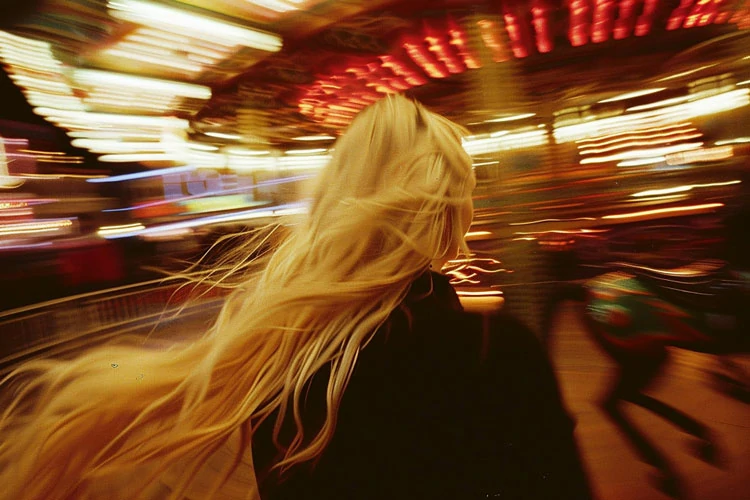
Capturing fireworks with a sense of motion and energy can transform ordinary night sky shots into dynamic works of art. Motion blur fireworks photography is a creative approach that emphasizes the movement, color, and rhythm of exploding pyrotechnics. By intentionally allowing moving light to streak across your frame, you can create images that are both visually striking and full of atmosphere.
This guide will walk you through the essential techniques, camera settings, and creative ideas to help you master the art of photographing fireworks with motion blur. Whether you’re a beginner or looking to refine your skills, you’ll find practical advice to elevate your results.
For additional inspiration on how to compose dynamic images using blur, take a look at these motion blur composition examples that showcase creative approaches from various photographers.
Understanding the Art of Motion Blur in Fireworks Photography
The technique of using motion blur in fireworks images is all about capturing the trails and patterns created as fireworks move through the sky. Unlike standard still shots, this style emphasizes the flow and direction of light, resulting in images that feel alive and energetic.
Motion blur is achieved by using longer shutter speeds, allowing the camera sensor to record the path of the fireworks as they burst and fade. The result is a photograph that tells a story of movement, rather than freezing a single moment in time.
Essential Equipment for Capturing Dynamic Fireworks Images
While you don’t need the most expensive gear, having the right tools can make a significant difference when working with motion blur fireworks photography techniques. Here’s what you’ll need:
- Camera with Manual Controls: A DSLR or mirrorless camera that allows you to adjust shutter speed, aperture, and ISO is ideal.
- Sturdy Tripod: To prevent unwanted camera shake during long exposures, a stable tripod is essential.
- Remote Shutter Release or Timer: This helps minimize vibrations when pressing the shutter button.
- Wide-Angle Lens: A lens in the 18-35mm range lets you capture expansive scenes and dramatic bursts.
- Extra Batteries and Memory Cards: Fireworks shows can last a while, so be prepared for extended shooting sessions.
Camera Settings for Motion Blur Effects
Getting the settings right is crucial for achieving beautiful light trails and avoiding overexposure. Here are the key adjustments to consider:
- Shutter Speed: Start with exposures between 1 and 10 seconds. Longer exposures will create more pronounced trails, but be mindful of ambient light and overlapping bursts.
- Aperture: Use a medium aperture (f/8 to f/16) to maintain sharpness and control the amount of light entering the lens.
- ISO: Set ISO to 100 or 200 to reduce noise and maintain image quality.
- Focus: Manually pre-focus on an area where the fireworks will explode, or use autofocus before the show starts and then switch to manual to lock it.
- White Balance: Daylight or tungsten settings often work well, but you can experiment for creative effects.
For those just starting out, you might find the motion blur settings for beginners guide helpful for a deeper dive into camera adjustments.

Creative Approaches to Fireworks with Motion Blur
Once you’re comfortable with the technical side, it’s time to experiment with creative techniques. Here are some ideas to help your images stand out:
- Zoom Burst: During a long exposure, gently zoom your lens in or out to create radiating lines from the center of the explosion.
- Camera Movement: Try panning, tilting, or even rotating your camera during the exposure for abstract patterns.
- Layering Bursts: Time your shots to capture multiple fireworks in a single frame, creating complex, layered trails.
- Foreground Interest: Include silhouettes of people, buildings, or landscapes to add context and depth.
For more inspiration, explore the motion blur creative inspiration page, which features unique artistic approaches from around the world.
Common Challenges and How to Overcome Them
Even with preparation, photographing fireworks with intentional blur can present some challenges. Here’s how to address the most common issues:
- Overexposure: If your images are too bright, use a smaller aperture (higher f-number) or reduce the ISO.
- Unwanted Camera Shake: Always use a tripod and remote release. If you don’t have one, use your camera’s self-timer.
- Focus Problems: Pre-focus before the show starts, and avoid refocusing during the event unless necessary.
- Cluttered Frames: Be selective with your timing to avoid too many overlapping bursts, which can make the image chaotic.

Post-Processing Tips for Fireworks with Motion Blur
Editing your images can enhance the colors, contrast, and overall impact of your fireworks photos. Here are some recommended adjustments:
- Adjust Exposure: Fine-tune brightness and contrast to make the fireworks pop against the night sky.
- Boost Colors: Increase vibrance and saturation for more vivid hues.
- Reduce Noise: Use noise reduction tools to clean up graininess, especially in darker areas.
- Cropping: Reframe your image to highlight the most interesting part of the burst or to improve composition.
For advanced editing techniques and creative ideas, you can refer to Adobe’s guide to motion blur photography, which covers both technical and artistic approaches.
Experiment and Find Your Style
The beauty of motion blur fireworks photography lies in its unpredictability and creative potential. Don’t be afraid to experiment with different settings, movements, and compositions. Each fireworks show is unique, offering endless opportunities to develop your own visual style.
If you’re curious about how these techniques can transform your images, check out the motion blur before and after examples guide for real-world comparisons and inspiration.
Frequently Asked Questions
What shutter speed should I use for fireworks motion blur?
Start with shutter speeds between 1 and 10 seconds. Adjust based on the brightness of the fireworks and the amount of blur you want. Longer exposures create more dramatic trails, while shorter ones capture sharper bursts.
How do I keep my camera steady during long exposures?
Use a sturdy tripod and a remote shutter release or your camera’s self-timer. This minimizes vibrations and ensures your images remain sharp where you want them, with blur only in the moving fireworks.
Can I use a smartphone for motion blur fireworks photography?
Some smartphones offer manual controls or dedicated long exposure modes. While results may not match those from dedicated cameras, you can still achieve interesting effects by using a tripod and experimenting with available settings.
How do I avoid overexposed fireworks images?
Use a low ISO (100–200), a smaller aperture (f/8–f/16), and monitor your exposures. Review your shots during the show and adjust settings as needed to avoid blown-out highlights.
Where can I find more creative ideas for motion blur photography?
Explore resources like the motion blur cinematic photography guide for advanced techniques and artistic inspiration.