
Motion blur in advertising photography is a creative technique that can transform static images into dynamic visual stories. By intentionally capturing movement, photographers can evoke energy, excitement, and emotion—qualities that help brands stand out in a crowded marketplace. Whether you’re shooting for automotive campaigns, sportswear, or lifestyle brands, mastering this effect can add a unique edge to your commercial work.
This article explores the fundamentals of using motion blur for advertising, including technical tips, creative applications, and best practices. If you’re looking for more visual inspiration, you might also enjoy browsing these motion blur composition examples for fresh ideas and approaches.

Understanding Motion Blur for Commercial Shoots
At its core, motion blur is the streaking or softening of moving subjects in a photograph. This effect is achieved by using slower shutter speeds, allowing the camera sensor to record the movement of objects or the camera itself during the exposure. In advertising, this technique is often used to:
- Convey speed and action (e.g., cars, athletes, dancers)
- Highlight product features (such as flexibility or energy)
- Create mood or atmosphere (urban rush, nightlife, adventure)
- Direct viewer attention and add visual interest
Unlike accidental blur, intentional use of this effect requires planning and technical control. The right balance between sharpness and movement can make the difference between a compelling image and a distracting one.
Technical Foundations: How to Capture Movement
To achieve motion blur in advertising photography, photographers must understand the interplay of shutter speed, aperture, ISO, and camera movement. Here are the core elements to consider:
- Shutter Speed: The slower the shutter, the more pronounced the blur. Typical settings range from 1/30s to several seconds, depending on subject speed and desired effect.
- Aperture: A smaller aperture (higher f-number) compensates for increased light during longer exposures, helping maintain correct exposure and depth of field.
- ISO: Lower ISO values reduce noise, which is important for commercial-quality images. Adjust ISO to balance exposure without introducing grain.
- Camera Stability: Use a tripod or stable surface to keep stationary elements sharp while allowing moving subjects to blur.
Experimenting with these settings is key. For beginners, the motion blur settings for beginners guide offers a helpful starting point.
Creative Approaches to Motion Blur in Commercial Imagery
There are several ways to incorporate motion blur techniques into advertising visuals. Each approach offers a different mood and message:
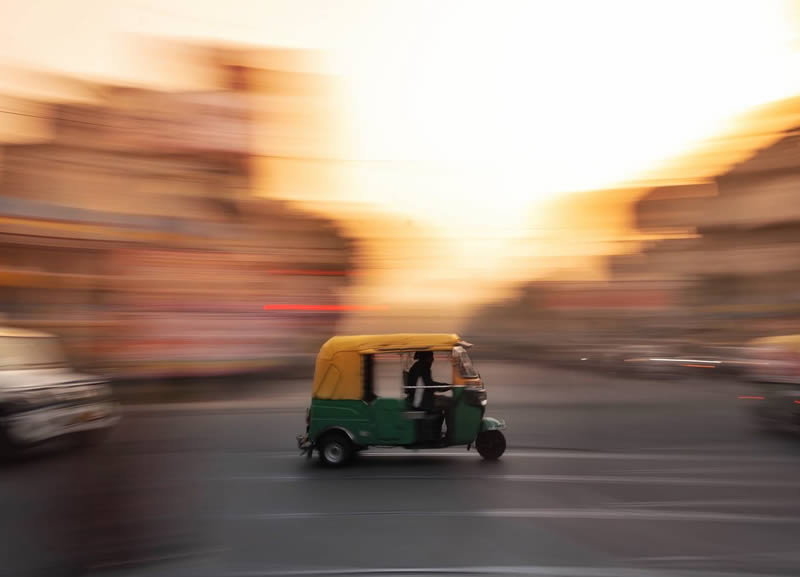
- Panning: Move the camera along with the subject’s motion. This keeps the subject relatively sharp while blurring the background, emphasizing speed and direction.
- Zoom Blur: Adjust the zoom during exposure to create radial streaks, drawing attention to a central product or logo.
- Subject Movement: Keep the camera still and let the subject move. This is ideal for capturing flowing fabrics, hair, or splashing water in beauty and fashion ads.
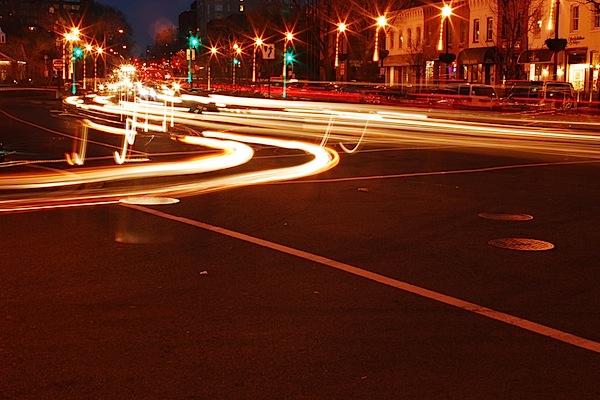
- Camera Shake: Intentionally move the camera during exposure for abstract or energetic effects, often used in lifestyle or nightlife campaigns.
Choosing the right method depends on the campaign’s goals and the story you want to tell. For more advanced inspiration, the motion blur cinematic photography guide explores filmic approaches that can elevate commercial work.
Lighting and Composition Tips for Impactful Results
Lighting plays a crucial role in achieving clean, intentional blur. Here’s how to optimize your setup:
- Use Continuous Lighting: LED panels or tungsten lights provide steady illumination, ensuring consistent exposure during longer shutter speeds.
- Control Ambient Light: Too much ambient light can overexpose images at slow shutter speeds. Use ND filters or shoot during lower light conditions for better control.
- Highlight Key Elements: Use spotlights or strobes to freeze certain parts of the scene, combining sharpness with blur for dramatic contrast.
- Compose for Movement: Leave space in the direction of motion, and use leading lines to guide the viewer’s eye through the image.
Careful planning ensures that the blur enhances, rather than detracts from, the product or message.
Post-Processing and Retouching for Professional Results
Editing is often essential for refining images with motion blur. Here are some post-production tips:
- Enhance Contrast: Use adjustment layers to make the blurred areas pop against sharp elements.
- Selective Sharpening: Apply sharpening only to key subjects, keeping the blur soft and natural elsewhere.
- Color Grading: Adjust hues and saturation to match brand guidelines and evoke the desired mood.
- Remove Distractions: Clean up unwanted artifacts or accidental blurs that don’t serve the composition.
For before-and-after inspiration, check out the motion blur before and after examples to see how subtle edits can elevate a campaign image.
Common Mistakes and How to Avoid Them
Even experienced photographers can run into challenges when working with movement. Here are some pitfalls to watch for:
- Overexposure: Slow shutter speeds can easily lead to blown highlights. Always check your histogram and use ND filters if needed.
- Unintentional Camera Shake: Use a tripod or image stabilization to keep static elements crisp.
- Messy Backgrounds: Busy or cluttered backgrounds can distract from the subject. Simplify your scene or use a wide aperture to blur the background further.
- Inconsistent Branding: Ensure that the style and mood of the blur align with the campaign’s overall message and brand identity.
Learning from these common issues will help you consistently produce high-quality, impactful images for commercial use.
Inspiration and Further Learning
Many iconic advertising campaigns have used motion creatively to capture attention and communicate brand values. For more ideas, the motion blur creative inspiration page showcases artists and campaigns that push the boundaries of this technique.
If you want to dive deeper into technical details, this comprehensive guide to capturing motion blur in photography covers additional tips and troubleshooting advice.
FAQ
What equipment is best for capturing motion blur in commercial photography?
While most modern DSLRs and mirrorless cameras can achieve motion blur, a camera with manual controls for shutter speed is essential. A sturdy tripod, ND filters, and continuous lighting are also helpful for controlling exposure and maintaining sharpness where needed.
How do I ensure my product remains the focus when using motion blur?
Use selective lighting or flash to freeze the product while allowing the background or secondary elements to blur. Careful composition and post-processing can further enhance the prominence of the product in the final image.
Can motion blur be added in post-production?
Yes, digital editing tools like Photoshop allow you to simulate blur effects using filters and masks. However, capturing authentic movement in-camera often results in more natural and convincing images, especially for advertising where authenticity is valued.