
Capturing the sensation of speed and energy is a hallmark of compelling automotive imagery. Motion blur in car photography is a creative technique that transforms static scenes into dynamic visual stories, emphasizing movement and excitement. By intentionally allowing certain elements to blur while keeping the subject sharp, photographers can convey action and drama in a single frame. This approach is especially popular among enthusiasts and professionals aiming to elevate their portfolios with more engaging, lifelike car photos.
Whether you’re an aspiring photographer or a seasoned pro, understanding how to use motion blur effectively can set your work apart. In this guide, we’ll explore the fundamentals, practical techniques, and common challenges associated with creating dynamic automotive images. If you’re looking for inspiration, you might also enjoy browsing these motion blur composition examples to see how others have mastered the art.
Understanding Motion Blur for Automotive Images
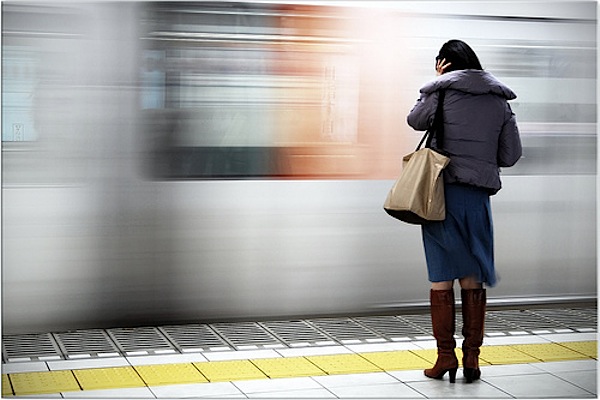
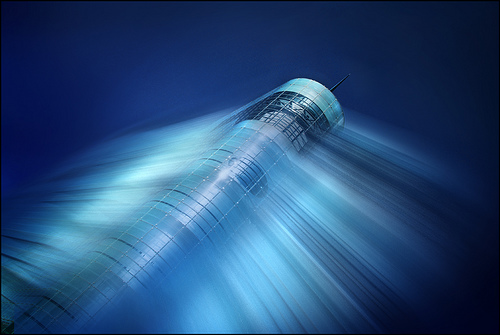
At its core, motion blur in car photography is the visible streaking or smearing of moving objects within a photo. This effect occurs when the camera’s shutter remains open long enough to record the movement of the subject or background. In automotive photography, this technique is often used to highlight the speed of a vehicle, making it appear as if it’s racing through the frame.
The key to a successful dynamic shot is balancing sharpness and blur. Typically, photographers aim to keep the car crisp while letting the background or wheels blur, creating a sense of velocity. This is achieved through careful control of camera settings and technique.
Essential Camera Settings for Capturing Motion
Achieving the right amount of blur requires a solid understanding of your camera’s exposure controls. Here are the primary settings to consider:
- Shutter Speed: The most critical factor. Slower shutter speeds (such as 1/30s to 1/125s) allow more movement to be captured, resulting in pronounced blur. The exact speed depends on how fast the car is moving and the effect you want.
- Aperture: A wider aperture (lower f-number) lets in more light, which can help compensate for the reduced light from a fast-moving subject or low shutter speed. However, be mindful of depth of field.
- ISO: Adjust ISO to maintain proper exposure. Higher ISO can help in low light but may introduce noise.
- Focus Mode: Use continuous autofocus (AI Servo/AF-C) to keep the car sharp as it moves.
For those just starting out, the motion blur settings for beginners guide offers a straightforward introduction to these controls.
Techniques for Creating Dynamic Automotive Shots
There are several approaches to incorporating motion blur effects in car photography. The two most common are panning and static long exposures.
Panning for a Sense of Speed
Panning involves tracking the moving car with your camera while using a slower shutter speed. The goal is to keep the vehicle sharp while blurring the background, emphasizing motion. Here’s how to do it:
- Set your camera to shutter priority or manual mode.
- Choose a shutter speed between 1/30s and 1/125s (experiment for best results).
- Stand parallel to the car’s path and smoothly follow its movement as you press the shutter.
- Maintain a steady motion to avoid unwanted camera shake.
Practice is essential—expect a few misses before you nail the perfect shot. Reviewing motion blur before and after examples can help you understand the impact of different settings and techniques.
Static Long Exposures
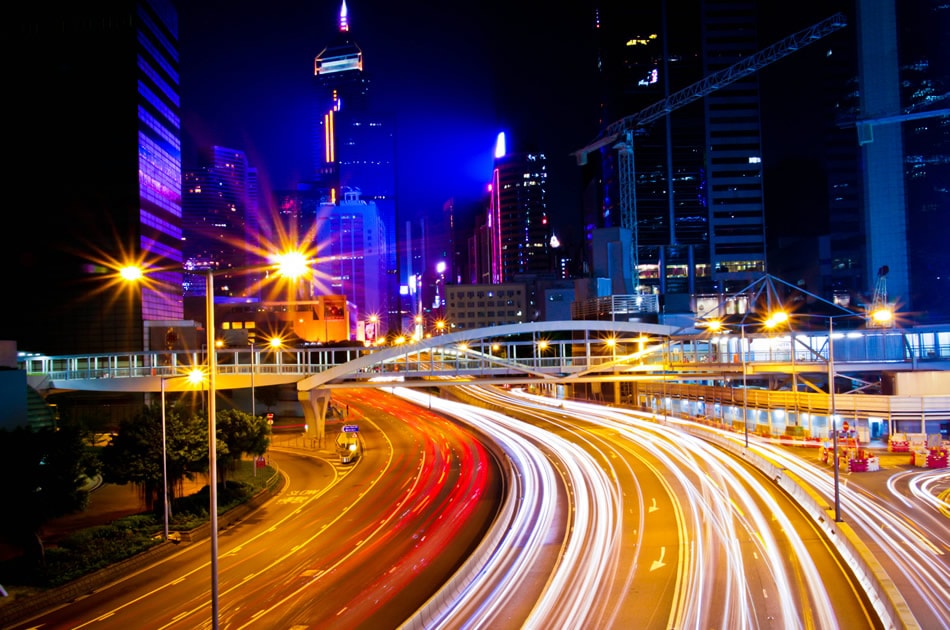
If you want to capture light trails or emphasize the movement of surrounding elements, try using a tripod and a longer exposure time. This method works well for night scenes or when cars are moving through a cityscape. Keep the camera steady and let the moving lights or vehicles create streaks across the frame.
Common Challenges and Solutions
Mastering motion blur in automotive photography comes with its own set of hurdles. Here are some frequent issues and practical solutions:
- Unwanted Camera Shake: Use image stabilization if available, and keep your movements smooth. A monopod can help steady your shots during panning.
- Overexposed Images: Shooting with slow shutter speeds in bright daylight can lead to overexposure. Try using a neutral density (ND) filter to reduce light entering the lens.
- Subject Out of Focus: Continuous autofocus is crucial. Pre-focus on the area where the car will pass, and use burst mode to increase your chances of a sharp image.
- Inconsistent Results: Don’t get discouraged by missed shots. Consistency comes with practice and experimentation.
Creative Ideas and Inspiration
Once you’re comfortable with the basics, experiment with different angles and lighting conditions. Shooting at dusk or dawn can add atmosphere, while reflections and urban backgrounds introduce extra visual interest. For more advanced techniques, check out this motion blur cinematic photography guide to push your creative boundaries.
Social media platforms are also a great place to find inspiration and share your results. If you’re interested in optimizing your images for online sharing, these motion blur Instagram photography tips can help your work stand out.
Further Learning and Resources
For those eager to deepen their understanding, there are many resources available. One comprehensive overview can be found in this in-depth guide to mastering motion blur photography, which covers both technical and creative aspects.
Remember, the most important aspect is to keep experimenting and refining your technique. Each shoot is an opportunity to learn and improve.
Frequently Asked Questions
What shutter speed is best for creating motion blur with cars?
The ideal shutter speed depends on the speed of the vehicle and the desired effect. For panning shots, speeds between 1/30s and 1/125s are common. Faster cars may require quicker shutter speeds, while slower vehicles or more pronounced blur can be achieved with longer exposures. Experiment to find what works best for your scene.
How do I keep the car sharp while blurring the background?
Use the panning technique: follow the car’s movement smoothly with your camera while using a slower shutter speed. Continuous autofocus and burst mode can help maintain sharpness on the vehicle while the background blurs due to your camera’s motion.
Can I achieve motion blur effects without professional equipment?
Yes, even entry-level cameras and some smartphones allow manual control of shutter speed. While a DSLR or mirrorless camera offers more flexibility, you can still experiment with motion blur using basic gear. A steady hand or a simple tripod can make a significant difference.