
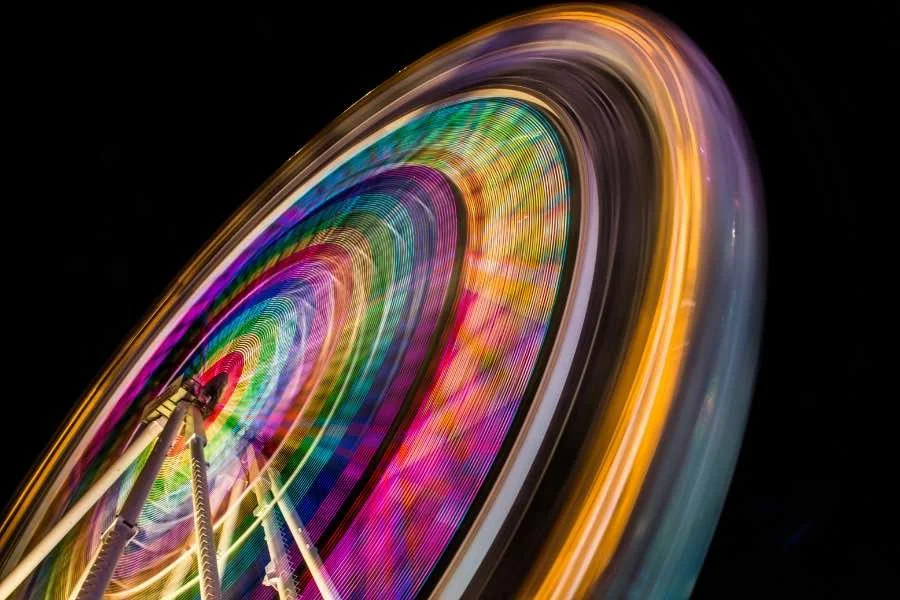
Capturing the dynamic elements of nature often requires more than just a sharp image. Motion blur in landscape photography is a creative approach that transforms ordinary scenes into expressive works of art. By intentionally allowing movement to register in your frame, you can evoke emotion, highlight the passage of time, and add a sense of energy to your photos. Whether you’re photographing flowing water, swaying grasses, or drifting clouds, mastering this technique opens up a world of visual possibilities.
For those looking to expand their creative toolkit, understanding how to use motion blur effectively is essential. If you’re new to these concepts, you might find the motion blur settings for beginners guide especially helpful before diving into more advanced ideas.
Why Use Motion Blur for Nature Scenes?
Incorporating motion blur techniques into your landscape images can dramatically alter the mood and storytelling potential. Instead of freezing every element, you allow the natural movement—like wind, water, or passing wildlife—to become a central feature. This approach can:
- Convey a sense of time and change within a static image
- Highlight contrasts between still and moving elements
- Guide the viewer’s eye through the composition
- Create abstract or painterly effects that go beyond literal representation
By experimenting with different shutter speeds and conditions, you can find the right balance between clarity and blur that best suits your creative vision.
Essential Gear and Settings for Capturing Movement
To achieve motion blur in landscape photography, you’ll need to adjust your camera settings and possibly use some additional equipment. Here are the basics:
- Tripod: Stabilizes your camera during long exposures, preventing unwanted shake.
- Neutral Density (ND) Filter: Reduces the amount of light entering the lens, allowing for slower shutter speeds even in bright conditions.
- Remote Shutter Release or Timer: Minimizes camera movement when pressing the shutter button.
- Manual Mode: Gives you full control over shutter speed, aperture, and ISO.
Start by setting your camera to a low ISO (such as 100), choose a small aperture (like f/11 or f/16) for greater depth of field, and experiment with slower shutter speeds. Depending on the effect you want, shutter speeds can range from 1/10 second to several seconds or even minutes.
Creative Ideas for Using Motion Blur in Landscapes
There are countless ways to use motion blur for artistic effect in outdoor photography. Here are some inspiring ideas to try on your next shoot:
1. Flowing Water and Waterfalls
One of the most popular uses of motion blur is to smooth out the movement of rivers, streams, and waterfalls. By using a slow shutter speed, you can turn rushing water into silky ribbons that contrast beautifully with sharp rocks and foliage.

2. Moving Clouds and Skies
Long exposures can transform fast-moving clouds into streaks or soft, dreamy patterns across the sky. This technique is especially effective during sunrise or sunset when the colors are most vibrant. Use an ND filter to extend your exposure time and watch as the sky paints itself across your frame.
3. Wind in Grass, Trees, and Flowers
Wind-blown grasses, tree branches, or fields of flowers can create subtle or dramatic blurs, depending on the wind speed and your chosen shutter speed. This approach adds a sense of motion and life to otherwise still landscapes, emphasizing the ever-changing nature of the outdoors.
4. Waves and Seascapes
Coastal scenes offer excellent opportunities for experimenting with motion blur. Slow shutter speeds can turn crashing waves into misty veils or smooth surfaces, while faster speeds retain more detail in the water’s movement. Try different exposures to see which effect best matches the mood you want to convey.
5. Incorporating Human or Animal Movement
Including people or animals in your landscape compositions can add scale and narrative interest. A blurred figure walking through a field or birds flying across the sky introduces a dynamic element that contrasts with the stillness of the environment.
Tips for Achieving the Best Results
Getting the most out of motion blur in landscape photography requires both technical know-how and creative experimentation. Here are some practical tips:
- Scout Locations: Look for scenes with natural movement—water, clouds, foliage, or wildlife.
- Watch the Light: Early morning, late afternoon, or overcast days provide softer light and longer exposure possibilities.
- Use a Tripod: Essential for keeping static elements sharp while allowing movement to blur.
- Bracket Exposures: Take multiple shots at different shutter speeds to compare effects and choose your favorite.
- Review and Adjust: Check your images on the camera’s LCD and adjust settings as needed for more or less blur.

Editing and Enhancing Motion Blur Photos
Post-processing can help you refine your blurred landscape images. Adjusting contrast, color balance, and sharpness in editing software can bring out details and enhance the mood. For more advanced techniques, you might explore professional tips for motion blur photography to further elevate your work.
Don’t be afraid to experiment with local adjustments, such as selectively sharpening static elements or boosting the vibrancy of moving areas. Editing is an extension of your creative process and can help you achieve the exact look you envision.
Further Inspiration and Resources
If you’re seeking more ideas or want to see how others use these techniques, check out motion blur composition examples for inspiration. You can also explore the motion blur cinematic photography guide for a deeper dive into cinematic approaches, or review motion blur before and after examples to see the impact of different settings.
Frequently Asked Questions
What shutter speed should I use for motion blur in landscapes?
The ideal shutter speed depends on the subject and the effect you want. For subtle blur in moving water or foliage, try 1/4 to 1 second. For more dramatic effects, exposures of several seconds or longer may be needed. Experiment with different speeds and review your results to find what works best for your scene.
Can I achieve motion blur without an ND filter?
It’s possible to create motion blur without an ND filter, especially in low-light conditions such as dawn, dusk, or cloudy days. However, in bright daylight, an ND filter is often necessary to achieve slow shutter speeds without overexposing your image.
How do I keep static elements sharp while blurring movement?
Use a sturdy tripod to stabilize your camera and prevent overall blur. Make sure your focus is set on the static parts of the scene. If needed, use a remote shutter release or the camera’s timer to avoid introducing shake when pressing the shutter button.
Are there creative ways to use motion blur beyond water and clouds?
Absolutely. Try capturing the movement of people, animals, vehicles, or even the play of light and shadow. Experimenting with intentional camera movement (ICM) can also produce abstract, painterly effects in your landscapes.
Exploring motion blur in landscape photography is a rewarding way to add depth, emotion, and creativity to your images. With practice and experimentation, you’ll discover new ways to interpret the natural world and tell visual stories through movement.