

Capturing dynamic scenes in nature often means working with fast-moving subjects and unpredictable environments. One creative technique that brings a sense of energy and storytelling to your images is motion blur in wildlife photography. By intentionally allowing movement to register in your photos, you can convey speed, drama, and the raw vitality of the wild. This approach transforms ordinary wildlife shots into expressive works of art, emphasizing the relationship between subject and environment.
Whether you’re hoping to show the rapid flight of a bird, the rush of a herd, or the subtle movement of an animal in its habitat, mastering motion blur can elevate your wildlife portfolio. In this guide, you’ll find practical advice for achieving the right balance between sharpness and blur, along with tips for camera settings, composition, and creative experimentation. For more inspiration, you might want to explore motion blur composition examples that showcase how this technique can be used across different genres.
Understanding Motion Blur and Its Role in Wildlife Images
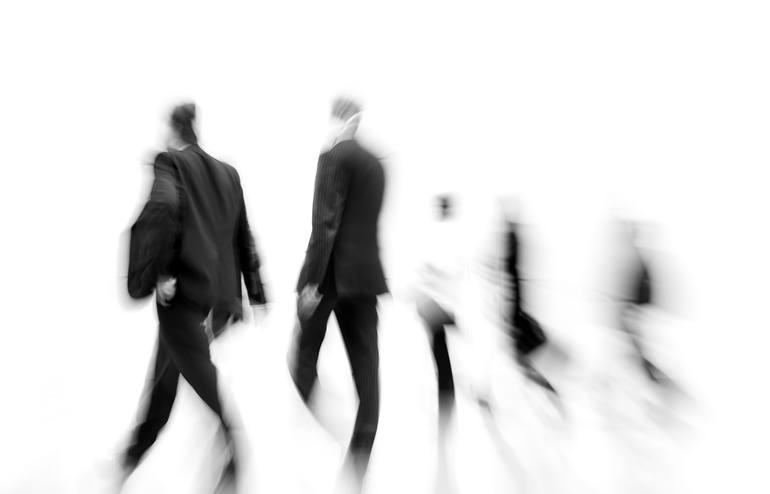
At its core, motion blur is the visible streaking or softening of moving elements in a photograph, caused by the subject’s movement during a longer exposure. In wildlife photography, this effect can be used deliberately to highlight action, suggest movement, or create a sense of atmosphere. Instead of freezing every detail, you allow some motion to be recorded, which can make your images feel more alive and authentic.
The key is to control how much blur appears and where it is placed within the frame. Too much can obscure your subject, while too little may not convey the intended sense of motion. The best wildlife images using this technique often combine a sharp focal point—such as the eyes or head of an animal—with blurred limbs, wings, or background elements. This contrast draws attention to the subject while still communicating movement.
Essential Camera Settings for Capturing Movement
Achieving effective motion blur in wildlife photography starts with understanding your camera’s exposure settings. The most important factor is shutter speed. A slower shutter speed allows more movement to be recorded, while a faster one freezes action. For wildlife, you’ll typically want to experiment with speeds between 1/15 and 1/125 of a second, depending on how fast your subject is moving and how much blur you want.
- Shutter Priority Mode (Tv or S): This setting lets you choose the shutter speed while the camera selects the appropriate aperture. It’s ideal for experimenting with different degrees of blur.
- Manual Mode: For full control, use manual mode to adjust both shutter speed and aperture. This is useful in changing light conditions or when you want to fine-tune depth of field.
- ISO: Keep ISO as low as possible to minimize noise, but raise it if you need to compensate for lower light when using slower shutter speeds.
- Continuous Autofocus: Use AI Servo (Canon) or AF-C (Nikon/Sony) to track moving animals and help maintain focus on your subject’s eyes or head.
For beginners, it can be helpful to review a motion blur settings for beginners guide to get comfortable with these adjustments.
Techniques for Creative Wildlife Motion Effects
There are several ways to introduce motion blur effects into your wildlife shots. Each technique offers a distinct look and can be adapted to different situations in the field.
Panning with Moving Subjects
Panning involves moving your camera horizontally to follow a moving animal while using a slower shutter speed. This keeps the subject relatively sharp while blurring the background, emphasizing speed and direction. To master panning:
- Stand with your feet shoulder-width apart for stability.
- Lock focus on your subject and move your camera smoothly in sync with its movement.
- Use burst mode to capture a sequence of shots, increasing your chances of getting the perfect frame.
- Experiment with shutter speeds between 1/30 and 1/60 of a second for most wildlife subjects.
Intentional Camera Movement (ICM)
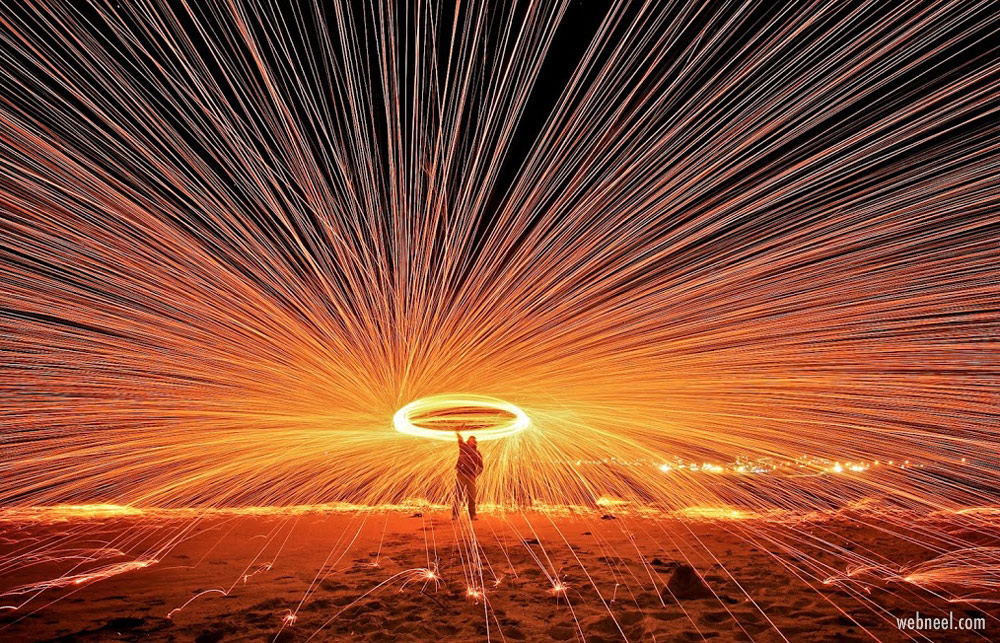
This creative approach involves deliberately moving the camera during exposure. Vertical or horizontal sweeps can create abstract, painterly effects, especially with flocks of birds or animals in groups. Start with shutter speeds around 1/10 to 1/2 second and adjust based on the desired effect.
Combining Sharpness and Blur
The most compelling wildlife images often balance areas of clarity with streaks of motion. Try focusing on the animal’s face or eyes while allowing the rest of the body or background to blur. This technique works well with running mammals, flying birds, or animals interacting with their environment.
Lighting Considerations and Environmental Factors
Natural light plays a significant role in how motion is rendered. Overcast days provide even, diffused lighting that helps prevent harsh highlights or deep shadows in blurred areas. Early morning or late afternoon light adds warmth and can enhance the mood of your images.
In low-light conditions, you may need to increase ISO or use a tripod to avoid unwanted camera shake. Be mindful of wind, rain, or dust, as these can introduce additional movement or affect your equipment. Using a lens hood and weather-sealed gear can help protect your camera and lens during outdoor shoots.
Composition and Storytelling with Motion
Composition is just as important as technical settings when working with motion blur in wildlife photography. Consider the direction of movement and leave space in the frame for your subject to “move into.” This creates a sense of anticipation and flow.
- Leading Lines: Use natural elements like rivers, branches, or paths to guide the viewer’s eye toward the moving subject.
- Background: A simple background helps your subject stand out, while a busy one can add context if handled carefully with blur.
- Color and Contrast: Look for color contrasts between your subject and surroundings to enhance visual impact.
For more advanced creative approaches, you can check out the motion blur cinematic photography guide for ideas on using blur for storytelling and mood.
Common Challenges and How to Overcome Them
Working with moving wildlife presents unique challenges. Here are some practical solutions:
- Unpredictable Subjects: Wildlife rarely moves as expected. Be patient, observe behavior, and be ready to adjust your settings quickly.
- Camera Shake: Use image stabilization, a tripod, or a monopod to minimize unintentional blur from hand movement.
- Missed Focus: Continuous autofocus and back-button focusing can help maintain sharpness on your subject’s eyes.
- Excessive Blur: If your subject is too blurred, increase your shutter speed slightly or try panning more smoothly.
Understanding the science behind blur can also help refine your technique. For an in-depth explanation, see this comprehensive guide to motion blur and its visual impact.
Post-Processing Tips for Enhancing Motion Effects
Editing can further emphasize the sense of movement in your wildlife images. Use these tips to enhance your results:
- Selective Sharpening: Apply sharpening only to the subject’s face or eyes to draw attention and create contrast with blurred areas.
- Contrast and Clarity: Increase contrast in the blurred regions to make streaks stand out, or reduce clarity for a softer look.
- Cropping: Adjust your composition in post to improve balance and flow, especially if the subject is off-center due to movement.
- Noise Reduction: Use noise reduction tools if you had to raise ISO in low light.
For a visual comparison of different approaches, the motion blur before and after examples resource can be helpful.
Frequently Asked Questions
What shutter speed should I use for wildlife motion blur?
The ideal shutter speed depends on your subject and the effect you want. For moderate blur, try 1/30 to 1/125 of a second for running animals or flying birds. For more pronounced effects, experiment with speeds as slow as 1/10 second, but be prepared for more abstract results.
How can I keep my subject sharp while blurring the background?
Panning is the most effective technique for this. Track your subject’s movement with your camera while using a slower shutter speed. This keeps the animal relatively sharp and blurs the background, emphasizing motion and speed.
Do I need special equipment for motion blur in wildlife shots?
You don’t need specialized gear, but a camera with manual controls, a telephoto lens, and image stabilization features are helpful. A tripod or monopod can provide extra stability, especially in low light or when using very slow shutter speeds.
Conclusion
Incorporating motion blur in wildlife photography adds excitement and emotion to your images, helping you tell richer stories about the natural world. With the right settings, techniques, and a willingness to experiment, you can create photos that stand out and resonate with viewers. Remember to review your results in the field, adjust as needed, and draw inspiration from other photographers who have mastered this dynamic approach.
As you continue to refine your skills, explore additional resources like motion blur Instagram photography tips to stay inspired and push your creative boundaries.