
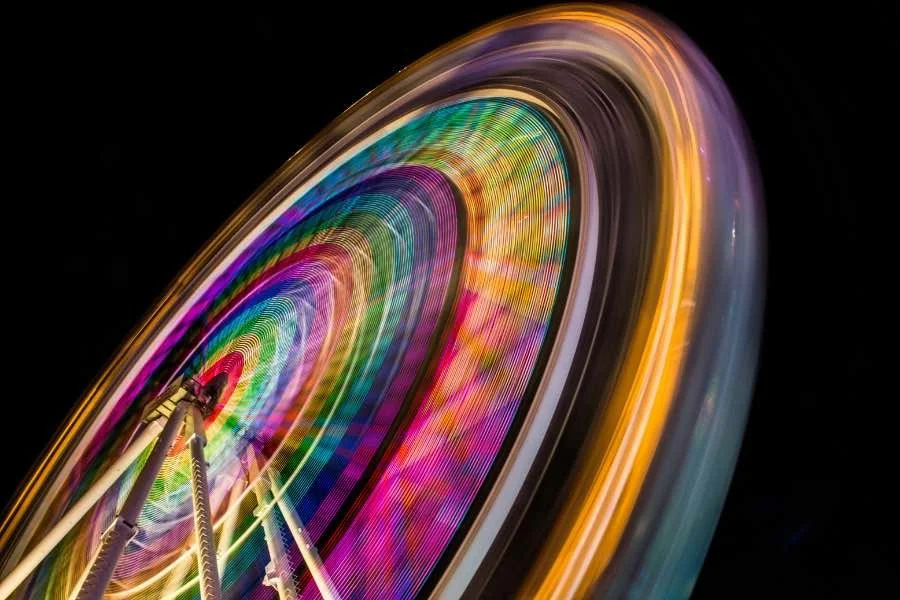
Motion blur is a familiar visual effect that appears when objects move quickly across a scene, or when a camera moves during exposure. Whether you’re a photographer, a filmmaker, or just curious about how our eyes and cameras perceive movement, understanding the science behind motion blur can help you create more compelling images and appreciate the physics at play. In this guide, we’ll break down the principles behind this effect, why it happens, and how it’s used in both art and science.
For those interested in creative techniques, you might also want to explore motion blur composition examples for inspiration and practical applications.
Understanding the Science Behind Motion Blur
At its core, motion blur physics explained comes down to how light, time, and movement interact. When a camera’s shutter is open, it records everything that happens in its field of view. If an object moves during this time, its image is smeared across the sensor or film, creating a blurred trail. The longer the exposure and the faster the movement, the more pronounced the blur.
This effect isn’t limited to cameras. Our eyes also experience a form of motion blur, but the brain compensates by tracking moving objects, making the world appear stable even as things move quickly.
Key Factors That Influence Motion Blur
Several variables determine how much blur appears in a photo or video:
- Shutter Speed: A slower shutter speed allows more time for movement to be recorded, increasing blur.
- Object Speed: Faster-moving subjects create longer blur trails.
- Direction of Movement: Motion perpendicular to the camera’s sensor produces more noticeable blur than movement toward or away from the lens.
- Camera Movement: If the camera itself moves during exposure, everything in the frame can blur.
How Cameras Capture Movement
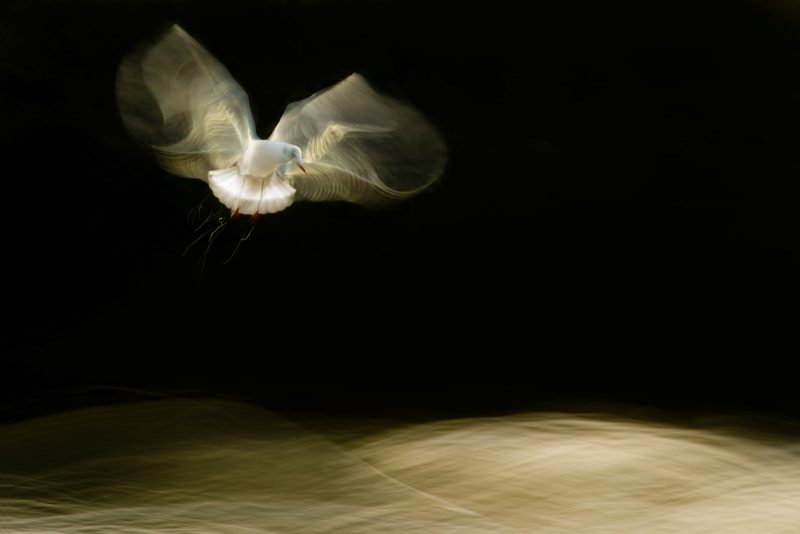
To understand motion blur physics explained in photography, it helps to look at how cameras record images. When you press the shutter button, the camera’s sensor (or film) is exposed to light for a set period. If nothing in the scene moves, the result is a sharp image. But if something moves while the shutter is open, its position is recorded in multiple places, resulting in a streak or blur.
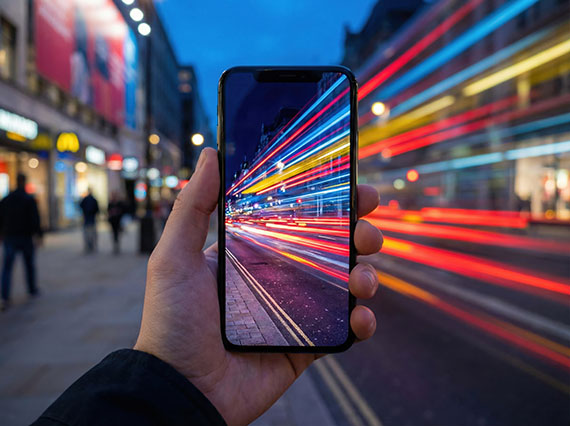
Photographers often use this effect creatively, such as capturing the flowing motion of waterfalls, the rush of city traffic, or the energy of a sporting event. By adjusting shutter speed, they control how much blur appears in the final image.
Practical Example: Panning for Artistic Effect
Panning is a technique where the camera follows a moving subject during exposure. This keeps the subject relatively sharp while blurring the background, emphasizing speed and direction. Mastering this method requires practice and an understanding of the relationship between shutter speed and subject movement.
Motion Blur in Everyday Life
We encounter motion blur not just in photos, but also in movies, video games, and even in our own vision. In film and animation, motion blur adds realism by mimicking how our eyes perceive fast movement. Without it, moving objects can appear unnaturally sharp or jittery.
In video games, developers use simulated blur to make action sequences feel smoother and more lifelike. This technique is especially important for fast-paced scenes, where the lack of blur can make movement look choppy.
Why Motion Blur Matters in Visual Storytelling
Understanding the principles behind blurred movement helps artists, photographers, and filmmakers use it intentionally. It can convey speed, energy, or even emotion. For example, a blurred background in a racing photo emphasizes the velocity of the subject, while a still, sharp image might feel static or lifeless.
If you’re interested in applying these concepts, the motion blur cinematic photography guide offers practical tips for capturing dynamic scenes.
Physics Concepts Behind Blurred Images
Let’s break down the science a bit further. The amount of blur is determined by the distance an object travels during the exposure. This can be calculated using the formula:
Blur Length = Object Speed × Exposure Time
For example, if a car moves at 10 meters per second and the camera’s shutter is open for 0.1 seconds, the blur length will be 1 meter. This simple relationship is at the heart of motion blur physics explained in both photography and video.
Other Influences: Sensor Size and Focal Length
Larger sensors and longer focal lengths can exaggerate blur, as they capture more detail and magnify movement. Conversely, wide-angle lenses and smaller sensors tend to minimize the effect. Understanding these variables helps photographers and videographers predict and control the outcome.
Reducing or Enhancing Motion Blur
Depending on your goals, you might want to minimize or maximize blur in your images. Here are some tips:
- To Reduce Blur: Use a faster shutter speed, stabilize your camera, and track moving subjects.
- To Enhance Blur: Slow down the shutter, move the camera intentionally, or photograph faster-moving subjects.
Beginners can benefit from step-by-step advice in the motion blur settings for beginners guide, which covers camera settings and practical techniques.
Creative Uses and Inspiration
Artists often use blurred movement to evoke mood, suggest passage of time, or create abstract effects. From light trails in night photography to the soft sweep of dancers, the possibilities are endless. For more ideas, check out motion blur creative inspiration for artists and photographers.
Further Reading and Resources
If you want to dive deeper into the topic, this comprehensive overview of motion blur in photography explains techniques, examples, and advanced tips for creative control.
Frequently Asked Questions
What causes motion blur in photos?
Motion blur occurs when the camera’s shutter is open long enough to record the movement of objects or the camera itself. The result is a streaked or smeared appearance in the final image, with the amount of blur depending on shutter speed, subject speed, and direction of movement.
How can I control the amount of blur in my images?
To control blur, adjust your camera’s shutter speed. Faster shutter speeds freeze motion, while slower speeds increase blur. You can also experiment with panning, lens choice, and camera stabilization to achieve the desired effect.
Is motion blur always undesirable?
No, blur is often used creatively in photography and film to convey speed, energy, or emotion. While it can be a problem in some situations (like sports or wildlife photography), it’s a valuable tool for artistic expression and storytelling.
Can smartphones create motion blur effects?
Yes, most modern smartphones allow manual control of shutter speed, enabling users to capture blurred movement. Some phones also offer built-in modes or apps designed for long exposure photography.
Where can I see examples of motion blur in action?
For visual inspiration, explore motion blur before and after examples to see how different settings and techniques affect the final image.