

Building a compelling portfolio is essential for photographers seeking to showcase their skills and creativity. One of the most visually striking techniques to include is motion blur. This effect captures movement in a single frame, adding energy, mood, and storytelling potential to your images. Whether you’re just starting to experiment or looking to refine your approach, exploring a range of motion blur portfolio ideas can help you stand out and demonstrate your versatility.
In this article, we’ll explore creative approaches, technical tips, and inspiration for using motion blur in your photography work. You’ll also find practical advice for planning shoots, selecting subjects, and curating your best images. For additional inspiration, you might want to see these motion blur composition examples that highlight different ways to use this technique effectively.
Why Include Motion Blur in Your Portfolio?
Adding motion blur to your portfolio demonstrates technical skill and creative vision. This effect can transform ordinary scenes into dynamic compositions, making your work more memorable. Here are some key benefits:
- Showcases technical mastery: Successfully capturing motion blur requires understanding of shutter speed, camera stability, and timing.
- Adds emotional impact: Blurred movement can evoke feelings of excitement, chaos, serenity, or passage of time.
- Highlights versatility: Including a range of motion blur images signals that you’re comfortable with both static and dynamic photography styles.
- Enhances storytelling: Motion blur can direct the viewer’s eye, emphasize action, or create a sense of narrative within a single frame.
Creative Approaches to Motion Blur Portfolio Ideas
There are many ways to use motion blur to create visually compelling images. Here are several approaches to consider as you plan your portfolio:
Urban and Nighttime Scenes
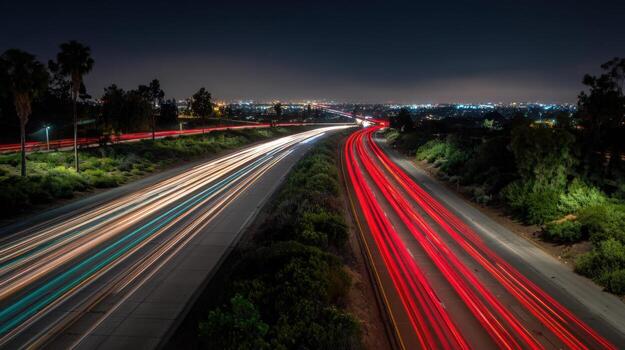
Cityscapes at night are ideal for experimenting with motion blur. Moving vehicles, bustling crowds, and illuminated signs provide plenty of opportunities to capture dynamic energy. Use a tripod and slow shutter speed to create streaks of light from cars or blurred silhouettes of pedestrians.
Nature and Water Movement
Capturing the flow of water—such as rivers, waterfalls, or ocean waves—can produce dreamy, ethereal effects. Experiment with different shutter speeds to achieve the desired level of blur, from subtle motion to complete softness. Wind-blown grass, leaves, or clouds can also add movement to landscape images.
Sports and Action Photography
Sports events offer a wealth of opportunities for motion blur. Panning with a moving subject, like a cyclist or runner, keeps the athlete sharp while blurring the background. This technique emphasizes speed and direction, making your action shots stand out.
Portraits with a Twist
Incorporating motion blur into portraits can result in unique, artistic images. Have your subject move slightly—such as turning their head, tossing hair, or walking—while you use a slower shutter speed. This approach can convey emotion or create a sense of mystery.
Studio Experiments and Abstracts
Controlled environments allow for creative experimentation. Try using props, colored lights, or intentional camera movement to produce abstract images. For more advanced techniques, explore resources like this guide to mastering motion blur in studio photography for inspiration and technical advice.
Technical Tips for Capturing Motion Blur
Getting the right motion blur effect requires a mix of technical knowledge and experimentation. Here are some essential tips:
- Shutter speed: The slower the shutter speed, the more pronounced the blur. Start with 1/30s and adjust based on your subject’s speed and desired effect.
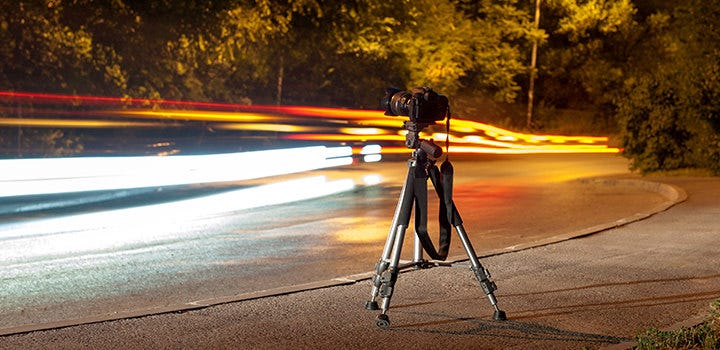
- Tripod use: For stationary backgrounds and sharp details, use a tripod to prevent unwanted camera shake.
- Panning technique: Move the camera along with your subject to blur the background while keeping the subject relatively sharp.
- Neutral density filters: In bright conditions, ND filters allow for longer exposures without overexposing your image.
- Manual mode: Take control of your settings to fine-tune exposure and blur. Experiment with aperture and ISO to balance light.
If you’re new to these settings, check out this motion blur settings for beginners guide for step-by-step instructions.
Curating and Presenting Your Motion Blur Portfolio
Once you’ve created a variety of images, it’s time to curate your best work. Consider the following when assembling your portfolio:
- Diversity of subjects: Include a mix of urban, nature, portrait, and abstract shots to showcase your range.
- Consistency in style: While variety is important, aim for a cohesive look in terms of color grading, composition, or mood.
- Image sequence: Arrange your images to tell a story or highlight progression in your technique.
- Technical excellence: Select images that are sharp where needed and demonstrate intentional use of blur.
- Personal touch: Include images that reflect your unique perspective or creative voice.
Inspiration and Further Exploration
Looking for more creative ideas? Browse galleries and online communities to see how other photographers use motion blur in their work. Analyze what makes certain images stand out—composition, color, subject, or the type of movement captured. For more creative spark, visit this resource on motion blur creative inspiration to see how artists push the boundaries of this technique.
Comparing your work to motion blur before and after examples can also help you refine your approach and understand the impact of different camera settings.
Common Challenges and How to Overcome Them
Working with motion blur comes with its own set of challenges. Here’s how to address some of the most common issues:
- Unwanted camera shake: Always use a tripod or stabilize your camera when you want only the subject to blur.
- Overexposure: Use ND filters or shoot during lower light conditions to avoid blown highlights in long exposures.
- Missed focus: Pre-focus on the area where you expect the action to happen, or use continuous autofocus for moving subjects.
- Too much or too little blur: Adjust your shutter speed incrementally and review your shots to find the right balance.
Don’t be afraid to experiment—sometimes unexpected results can lead to your most creative images.
FAQ: Motion Blur in Photography Portfolios
What camera settings work best for capturing motion blur?
Start with a slower shutter speed, such as 1/30s or lower, depending on your subject’s speed and the amount of blur you want. Use manual or shutter priority mode for full control. A tripod helps keep static elements sharp, and ND filters are useful in bright light.
How can I make my motion blur images stand out in my portfolio?
Focus on variety—include different subjects, lighting conditions, and creative techniques. Pay attention to composition and storytelling. Consistent editing and a clear personal style will help your images feel cohesive and professional.
Are there any post-processing tips for enhancing motion blur photos?
Use editing software to fine-tune contrast, color, and sharpness. You can also enhance the sense of motion with selective blurring or by emphasizing certain colors. However, aim to get the effect mostly in-camera for the most natural results.
Conclusion
Incorporating motion blur portfolio ideas into your body of work is a powerful way to demonstrate creativity, technical skill, and artistic vision. By experimenting with different subjects, techniques, and presentation styles, you can create a portfolio that captures attention and tells compelling visual stories. Continue learning, stay inspired, and don’t hesitate to push the boundaries of what’s possible with motion blur in photography.