
Understanding the distinction between motion blur vs long exposure is essential for photographers looking to expand their creative toolkit. Both techniques use slow shutter speeds to capture movement, but they serve different artistic and technical purposes. Whether you’re aiming to convey speed, create dreamy landscapes, or experiment with abstract effects, knowing when and how to use each method will help you achieve your vision.
Before diving into the specifics, it’s helpful to see real-world examples and guides. For inspiration and practical advice, check out these motion blur composition examples that showcase a variety of creative approaches.
Defining Motion Blur in Photography
Motion blur refers to the streaking or blurring of moving subjects within a photo, caused by a relatively slow shutter speed. This effect is often used to emphasize speed, movement, or the passage of time. For example, when photographing a runner, a car, or flowing water, the moving parts of the subject appear blurred while the stationary background remains sharp. The amount of blur depends on the speed of the subject and the length of the exposure.
Photographers often use motion blur to add energy and dynamism to their images. It’s a staple in sports, street, and creative portrait photography. To achieve this effect, you typically use a shutter speed that’s slow enough to capture the movement but fast enough to prevent the entire image from becoming a smear.

What Is Long Exposure?
Long exposure photography involves keeping the camera’s shutter open for an extended period, often several seconds or even minutes. This technique allows the camera sensor to gather more light and record movement over time. The result is a smooth, ethereal effect—think of silky waterfalls, glassy lakes, or clouds streaking across the sky.
Unlike motion blur, which usually focuses on a moving subject against a static background, long exposure often transforms the entire scene. Stationary objects remain sharp, while anything in motion—water, clouds, people—becomes soft and ghostly. This method is popular in landscape, night, and astrophotography, where it’s used to capture low-light scenes or create surreal effects.

Key Differences Between Motion Blur and Long Exposure
While both techniques rely on slower shutter speeds, their goals and results are distinct. Here’s how they differ:
- Purpose: Motion blur is used to highlight movement within a scene, often keeping some elements sharp while others are blurred. Long exposure aims to capture the passage of time, smoothing out moving elements and sometimes making people or objects disappear entirely.
- Shutter Speed: Motion blur can occur at relatively short exposures (like 1/30s or 1/60s) if the subject is moving fast. Long exposure typically involves much longer shutter speeds, from several seconds to minutes.
- Visual Effect: Motion blur creates streaks or trails that suggest speed or direction. Long exposure produces a dreamy, almost otherworldly look, especially in landscapes and night scenes.
- Technique: For motion blur, you might pan the camera with the subject or keep the camera still. For long exposure, a tripod is almost always necessary to keep stationary elements sharp.
When to Use Each Technique
Choosing between motion blur vs long exposure depends on your creative intent and the scene you’re photographing. Here are some scenarios where each method excels:
Best Uses for Motion Blur
- Sports and Action: Emphasize the speed of athletes, vehicles, or animals.
- Street Photography: Convey the hustle and bustle of urban life by blurring pedestrians or traffic.
- Creative Portraits: Add a sense of movement to hair, clothing, or background elements.
For more ideas on how to use this effect, explore the motion blur creative inspiration guide.
Best Uses for Long Exposure
- Landscapes: Smooth out water, clouds, or waves for a tranquil effect.
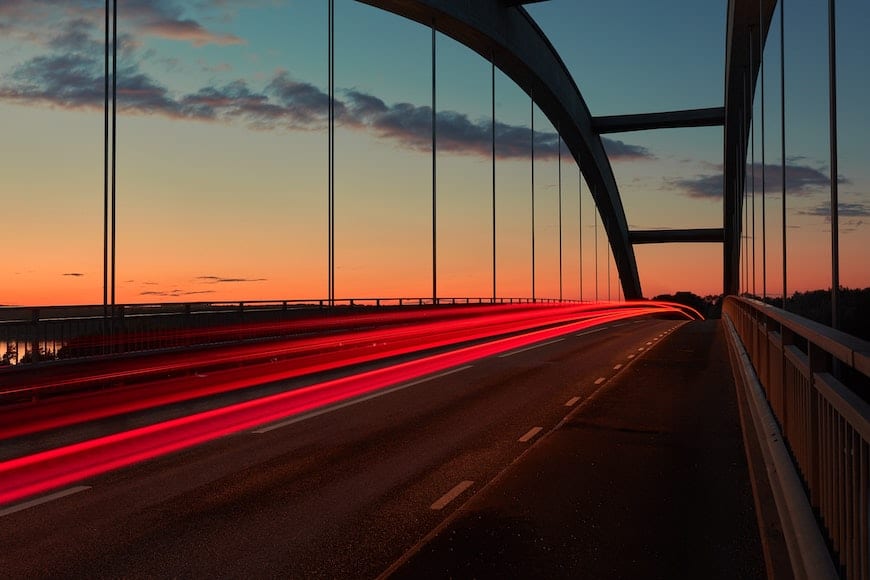
- Night Photography: Capture light trails from cars, star trails, or illuminated cityscapes.
- Minimalist Images: Remove distractions by making moving people or objects disappear from busy scenes.
Technical Settings and Tips
Both motion blur and long exposure require careful control of camera settings. Here are some practical tips:
- Shutter Speed: Experiment with different speeds. For motion blur, start with 1/30s and adjust based on subject speed. For long exposure, use exposures of several seconds or more.
- Tripod: Essential for long exposures to prevent camera shake. For motion blur, a tripod is helpful if you want the background sharp.
- Filters: Neutral density (ND) filters reduce the amount of light entering the lens, allowing for longer exposures even in daylight.
- Manual Focus: Autofocus can struggle in low light or during long exposures. Switch to manual focus for better results.
- Remote Shutter Release: Minimize vibrations by using a remote or the camera’s timer function.
Beginners can find more detailed advice in the motion blur settings for beginners guide.
Creative Examples and Inspiration
Both techniques offer endless creative possibilities. Motion blur can turn an ordinary street scene into a dynamic composition, while long exposure can transform a busy cityscape into a serene, almost empty environment. For before-and-after visuals and more inspiration, visit the motion blur before and after examples resource.
If you want to dive deeper into the subject, this comprehensive guide to motion blur photography covers techniques, settings, and creative ideas for all skill levels.
Common Challenges and How to Overcome Them
Both motion blur and long exposure photography come with their own set of challenges. Here’s how to address some of the most common issues:
- Unwanted Camera Shake: Always use a tripod for long exposures. For handheld motion blur, brace yourself or use image stabilization.
- Overexposure: In bright conditions, use ND filters or lower your ISO to avoid blown highlights during long exposures.
- Subject Disappearance: In long exposures, moving subjects may vanish entirely. Plan your shot to ensure key elements remain visible.
- Focusing Issues: Pre-focus on your subject before switching to manual focus, especially in low light.
FAQ
Can You Combine Motion Blur and Long Exposure in One Photo?
Yes, it’s possible to use both techniques together. For example, a long exposure can create smooth water, while a moving subject (like a person or vehicle) introduces motion blur. The key is to control your shutter speed and plan your composition to balance both effects.
Do You Need Special Equipment for These Techniques?
While a standard camera and lens are sufficient, a sturdy tripod and neutral density filters make it easier to achieve consistent results, especially for long exposures. A remote shutter release or using the camera’s timer can also help reduce camera shake.
What’s the Best Shutter Speed for Motion Blur or Long Exposure?
There’s no single best shutter speed—it depends on your subject and desired effect. For motion blur, speeds between 1/30s and 1/2s often work well. For long exposure, try several seconds to minutes. Experimentation is key to finding the right settings for your scene.