

Capturing the energy and movement of wildlife in their natural environment is a challenge that excites many photographers. One of the most creative ways to convey this sense of motion is through the use of motion blur wildlife action shots. By intentionally allowing some blur in your images, you can highlight the speed, unpredictability, and vitality of animals in action. This approach not only adds drama and storytelling to your photos but also sets them apart from standard, sharply focused images.
Understanding how to control and use motion blur effectively can transform your wildlife photography. In this guide, you’ll learn the essential camera settings, techniques, and artistic considerations for creating dynamic images that showcase movement. For those interested in exploring more creative approaches, you might also enjoy browsing motion blur composition examples for inspiration and practical ideas.
Why Use Motion Blur in Wildlife Photography?
Incorporating motion blur into wildlife images can dramatically enhance the sense of movement and emotion in your work. Unlike traditional sharp captures, blurred action shots allow viewers to feel the rush of a bird taking flight or the sprint of a gazelle across the savannah. This technique can:
- Emphasize speed and direction, making the subject’s movement the focal point.
- Create a sense of atmosphere, especially in scenes with dust, water, or foliage.
- Add a layer of artistry, transforming a simple photo into a visually compelling story.
While it requires practice and experimentation, mastering this approach can set your portfolio apart and help you communicate the wildness and unpredictability of nature.
Essential Camera Settings for Blurred Wildlife Images
Achieving the right amount of motion blur in wildlife action shots depends on your camera’s settings and your understanding of how they interact. Here are the key factors to consider:
- Shutter Speed: The most critical setting. Slower shutter speeds (such as 1/30s to 1/125s) allow more movement to be recorded, resulting in blur. The exact speed will depend on the speed of your subject and the effect you want.
- Aperture: A wider aperture (lower f-number) lets in more light, which is helpful when using slower shutter speeds, especially in low-light conditions.
- ISO: Raising ISO can compensate for reduced light, but be mindful of increased noise. Modern cameras handle higher ISO values quite well, but always check your results.
- Focus Mode: Continuous autofocus (AI Servo/AF-C) helps keep moving subjects sharp, even as you pan or track them.
Experiment with different combinations to find what works best for the species and conditions you’re photographing. For those just starting, the motion blur settings for beginners guide offers a helpful introduction to these technical choices.
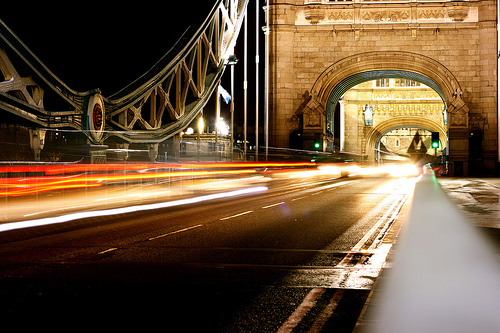
Techniques for Capturing Dynamic Wildlife Movement
Once your camera is set up, the next step is to use techniques that maximize the impact of motion blur wildlife action shots. Here are some proven methods:
Panning for Directional Blur
Panning involves moving your camera in sync with a moving subject. By following the animal’s movement and using a slower shutter speed, you can keep the subject relatively sharp while blurring the background. This technique works especially well with birds in flight, running mammals, or swimming animals. The key is to match your camera’s movement to the subject’s speed as smoothly as possible.
Intentional Camera Movement (ICM)
ICM is a creative approach where you deliberately move the camera during exposure. This can create abstract effects, such as streaks or swirls, that emphasize the energy of a scene. Try vertical movement for birds taking off or horizontal sweeps for herds in motion. The results are often unpredictable but can be visually striking.
Using Environmental Elements
Incorporate wind-blown grass, splashing water, or dust clouds to add context and enhance the sense of motion. These elements can amplify the dynamic feeling of your image, especially when combined with the movement of the animal itself.
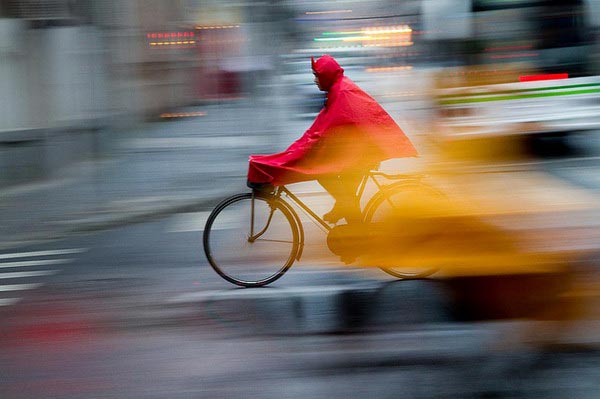
Creative Inspiration and Artistic Considerations
Successful motion blur wildlife action shots are not just about technical settings—they also require a creative eye. Think about the story you want to tell. Do you want to show the chaos of a flock taking off, the elegance of a predator in pursuit, or the serenity of a slow-moving animal in its habitat?
Composition is crucial. Place your subject off-center to give a sense of direction, and use leading lines or environmental cues to guide the viewer’s eye. Don’t be afraid to experiment with different perspectives and framing. For more ideas, check out motion blur creative inspiration for artists and photographers.
Review your images on location and adjust your approach as needed. Sometimes, a little extra blur can make a shot more dramatic, while in other cases, too much can obscure important details. The balance between sharpness and blur is what makes these images unique.
Common Challenges and How to Overcome Them
Working with motion blur in wildlife photography presents some unique challenges:
- Unpredictable Subjects: Animals rarely move as expected. Anticipate their behavior and be ready to react quickly.
- Lighting Conditions: Early morning or late afternoon light is ideal, but low light can make it harder to get sharp results. Use higher ISO or wider apertures as needed.
- Camera Shake: Use a monopod or tripod when possible, especially for slower shutter speeds. Image stabilization can also help reduce unwanted blur.
- Missed Focus: Continuous autofocus and burst shooting modes increase your chances of capturing a usable frame.
Patience and practice are essential. Review your images, learn from mistakes, and refine your technique over time.
Post-Processing Tips for Motion Blur Images
Editing plays a vital role in enhancing the impact of your blurred wildlife photos. Here are some tips:
- Adjust Contrast and Clarity: Boosting contrast can help separate the subject from the background, while careful clarity adjustments can enhance details in key areas.
- Cropping: Reframe your image to improve composition and emphasize the direction of movement.
- Selective Sharpening: Apply sharpening only to the subject or areas where you want to draw attention, leaving the blurred regions soft.
- Noise Reduction: Use noise reduction tools to clean up high-ISO images without sacrificing important details.
For a deeper dive into before-and-after transformations, the motion blur before and after examples guide provides practical editing insights.
Learning from Experts and Further Resources
Studying the work of experienced photographers can accelerate your learning. Many professionals share their techniques and behind-the-scenes stories online. For example, you can explore how motion blur is used in different genres by reading this comprehensive guide to mastering motion blur in studio photography, which offers tips that can be adapted to wildlife scenarios as well.
Don’t hesitate to experiment and develop your own style. Over time, you’ll discover what works best for your subjects and creative vision.
Frequently Asked Questions
What is the ideal shutter speed for motion blur in wildlife photography?
The ideal shutter speed depends on the speed of your subject and the amount of blur you want. For fast-moving animals, try starting at 1/60s and adjust slower or faster as needed. Experiment to find the balance between blur and sharpness that suits your creative intent.
How do I keep the subject sharp while blurring the background?
Panning is the most effective technique. Move your camera smoothly in the same direction as your subject’s movement while using a slower shutter speed. This keeps the subject relatively sharp while creating a blurred background that emphasizes motion.
Can I use motion blur techniques in low-light conditions?
Yes, but you may need to increase your ISO or use a wider aperture to compensate for the reduced light. Be mindful of noise at higher ISO settings, and use image stabilization or a tripod to minimize unwanted camera shake.
Where can I find more inspiration for creative wildlife photography?
Explore galleries and guides such as motion blur cinematic photography guide for additional ideas and techniques that can be applied to wildlife and other genres.