
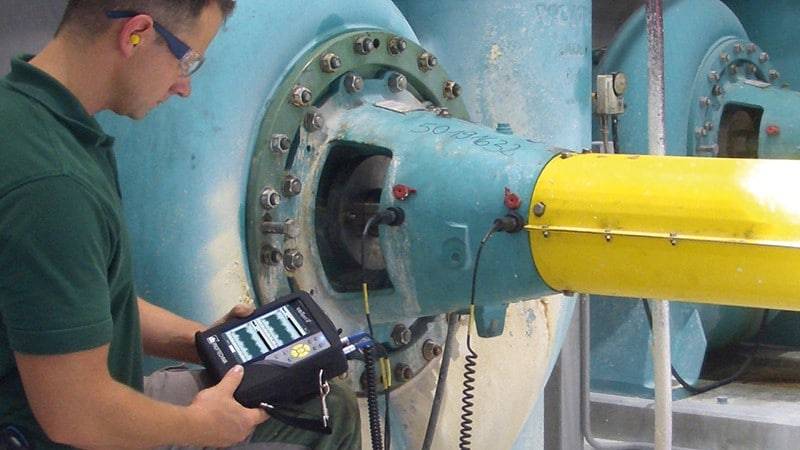
Electric motors are the backbone of countless industrial and commercial operations. When these machines develop an imbalance, it can lead to excessive vibration, reduced efficiency, and even catastrophic failure if left unaddressed. Recognizing the motor imbalance vibration symptoms early and knowing how to resolve them is critical for minimizing downtime and avoiding costly repairs.
This guide explores the most common signs of imbalance in rotating machinery, the underlying causes, and proven strategies for restoring smooth operation. Whether you manage a facility, maintain machinery, or simply want to understand the basics, you’ll find practical advice for diagnosing and correcting vibration issues.
For those working in sectors where machinery reliability is paramount, understanding how to interpret vibration data is essential. For example, you can deepen your knowledge with resources like machine vibration data interpretation, which provides actionable insights for field technicians and engineers.
Recognizing the Signs: Common Motor Imbalance Vibration Symptoms
Detecting imbalance early can prevent significant damage and unplanned outages. The following are the most frequent motor imbalance vibration symptoms observed in industrial and commercial motors:
- Unusual or increased vibration levels: The most direct indicator is a noticeable rise in vibration, often felt as a strong, rhythmic shaking or buzzing in the motor housing or mounting structure.
- Audible noise: Imbalance often produces a humming, rattling, or droning sound, especially at certain speeds.
- Premature bearing wear: Excessive vibration accelerates bearing degradation, leading to overheating, noise, and eventual failure.
- Loosened fasteners or mounting bolts: Persistent vibration can cause bolts and other hardware to back out or loosen over time.
- Visible movement: In severe cases, the entire motor or connected equipment may visibly shake or move during operation.
- Increased power consumption: Motors working harder to overcome imbalance may draw more current, resulting in higher energy costs.
These symptoms may appear individually or in combination. Regular monitoring and maintenance are key to catching issues before they escalate.
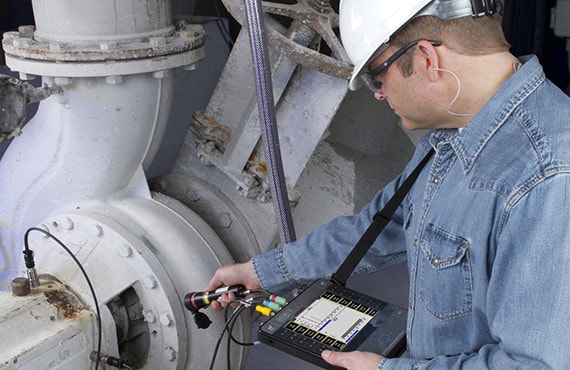
What Causes Imbalance in Electric Motors?
To effectively address motor imbalance vibration symptoms, it’s important to understand the root causes. Imbalance typically results from uneven mass distribution around the motor’s rotational axis. Common sources include:
- Manufacturing defects: Imperfections in the rotor, shaft, or attached components can create an initial imbalance.
- Material buildup: Accumulation of dust, grease, or other substances on the rotor or fan blades can throw off balance.
- Component wear: Bearings, couplings, or other rotating parts may wear unevenly, shifting the center of mass.
- Improper installation: Misalignment during installation or after maintenance can introduce imbalance.
- Damage or deformation: Physical impacts, corrosion, or thermal expansion can alter the shape or mass distribution of rotating parts.
Identifying the specific cause is crucial for selecting the right corrective action and preventing recurrence.
Diagnosing Vibration Issues: Tools and Techniques
Modern facilities rely on a range of tools to detect and analyze vibration problems. The most common methods include:
- Handheld vibration meters: These portable devices provide quick readings of vibration amplitude and frequency, helping maintenance teams spot abnormal conditions.
- Permanent vibration sensors: Installed on critical assets, these sensors enable continuous monitoring and early warning of developing issues.
- Vibration analysis software: Advanced systems collect and interpret vibration data, offering detailed diagnostics and trend analysis.
- Visual inspection: While less precise, regular physical checks can reveal loose components, material buildup, or signs of wear.
For a comprehensive overview of these techniques and their applications, consider reviewing this complete guide to vibration analysis from industry experts.
Correcting Motor Imbalance: Step-by-Step Solutions
Once motor imbalance vibration symptoms are confirmed, prompt corrective action is necessary. The following steps outline a proven approach to restoring balance:
- Shut down and secure the equipment: Always ensure the motor is powered off and locked out before beginning any inspection or repair.
- Inspect for obvious causes: Look for material buildup, loose parts, or visible damage. Clean and tighten as needed.
- Check alignment: Use precision tools to verify that the motor and any connected equipment are properly aligned.
- Balance the rotor: If imbalance persists, dynamic balancing may be required. This involves adding or removing weight from specific points on the rotor to achieve even mass distribution. Professional balancing services or specialized equipment may be necessary for high-speed or critical motors.
- Replace worn components: Bearings, couplings, or other parts showing signs of wear should be replaced to prevent future imbalance.
- Test and monitor: After corrective actions, restart the motor and monitor vibration levels to confirm the issue has been resolved.
Documenting each step and maintaining detailed maintenance records can help identify recurring problems and improve long-term reliability.
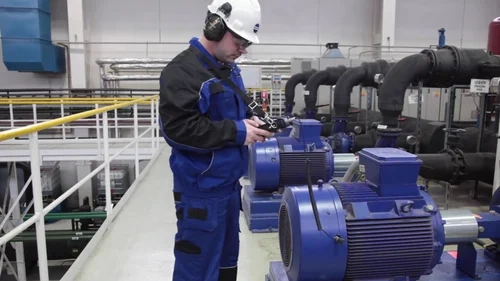
Preventive Maintenance and Best Practices
Preventing motor imbalance vibration symptoms is far more cost-effective than reactive repairs. Implementing the following best practices can significantly reduce the risk of imbalance:
- Regular cleaning: Keep motors and surrounding areas free from dust and debris that could accumulate on rotating parts.
- Scheduled inspections: Perform routine checks for signs of wear, misalignment, or material buildup.
- Precision installation: Use proper tools and techniques to ensure motors are installed and aligned correctly from the start.
- Condition monitoring: Invest in vibration sensors or periodic vibration analysis to catch developing issues early.
- Training and documentation: Ensure maintenance staff are trained in vibration detection and balancing procedures, and keep thorough records of all interventions.
Industries such as power generation, textiles, and food processing rely heavily on these practices to maintain uptime. For more sector-specific advice, explore resources like vibration analysis for power plants or similar guides tailored to your industry.
Frequently Asked Questions
What are the most common warning signs of motor imbalance?
The most noticeable indicators include increased vibration, unusual noises, premature bearing wear, and loose mounting hardware. Monitoring for these symptoms can help catch problems before they lead to major failures.
How can vibration analysis help prevent equipment failure?
Vibration analysis allows maintenance teams to detect abnormal patterns that suggest imbalance, misalignment, or other mechanical issues. Early detection enables timely corrective action, reducing the risk of unexpected breakdowns and extending equipment life.
Is it possible to balance a motor without specialized equipment?
Minor imbalances caused by visible debris or loose parts can sometimes be corrected with basic tools and cleaning. However, precise dynamic balancing—especially for high-speed or critical motors—typically requires specialized equipment or professional services to ensure accuracy and safety.
Addressing motor imbalance vibration symptoms promptly and systematically is essential for maintaining equipment reliability and operational efficiency. By understanding the signs, causes, and solutions, you can minimize downtime and extend the life of your motors and machinery.