
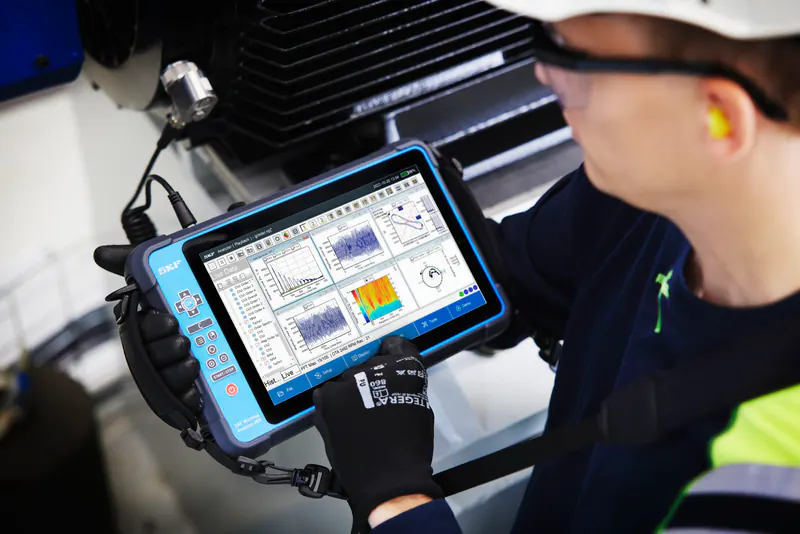
Online vibration monitoring systems have become essential tools for industries that rely on rotating machinery, such as power generation, pharmaceuticals, mining, textiles, and food processing. These solutions provide continuous, real-time insight into machine health, enabling proactive maintenance and reducing the risk of unexpected failures. By leveraging advanced sensors and analytics, organizations can detect subtle changes in vibration patterns that often precede equipment issues, ensuring operational reliability and safety.
Understanding how these monitoring platforms work, their core benefits, and how they compare to traditional approaches is crucial for maintenance teams and plant managers. In this article, we’ll explore the fundamentals of continuous vibration monitoring, its advantages, and practical considerations for implementation. For those interested in sector-specific applications, our in-depth resource on vibration analysis for power plants offers further insights into monitoring critical assets.
What Are Online Vibration Monitoring Systems?
Online vibration monitoring platforms are automated systems designed to track and analyze the vibration signatures of machinery around the clock. Unlike periodic or handheld measurements, these systems use permanently installed sensors—typically accelerometers or velocity sensors—connected to data acquisition units and software platforms. The collected data is continuously processed to identify abnormal patterns, alerting maintenance teams to potential issues before they escalate.
These solutions are especially valuable for assets that are critical to production, operate in hazardous environments, or are difficult to access. By providing uninterrupted surveillance, they help organizations maintain uptime, optimize maintenance schedules, and extend equipment lifespan.
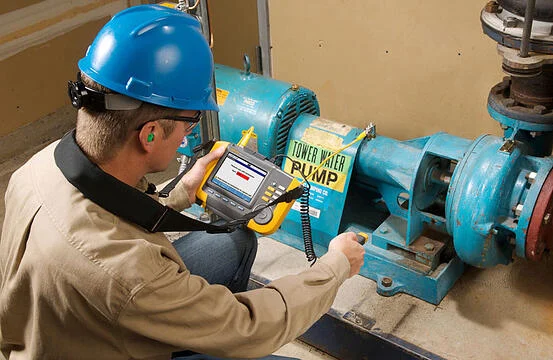
Key Components and How They Work
A typical online vibration monitoring setup consists of several core elements:
- Sensors: Permanently mounted on machinery, these devices capture vibration data in real time.
- Data Acquisition Units: Hardware modules that collect, digitize, and transmit sensor data to a central system.
- Software Platforms: Analytical tools that process incoming data, visualize trends, and trigger alarms based on predefined thresholds.
- Communication Networks: Wired or wireless infrastructure that ensures seamless data flow between sensors, acquisition units, and software.
The system continuously monitors vibration levels and frequencies, comparing them against baseline values. When deviations occur—such as increased amplitude or the appearance of new frequency components—the software can send alerts to maintenance teams, enabling rapid response.
Benefits of Continuous Vibration Monitoring
Adopting a real-time vibration monitoring approach delivers several tangible advantages:
- Early Fault Detection: Continuous data collection allows for the identification of developing issues, such as bearing wear, misalignment, or imbalance, long before they cause failures.
- Reduced Downtime: By addressing problems proactively, organizations can schedule maintenance during planned shutdowns, minimizing costly unplanned outages.
- Improved Safety: Monitoring hazardous or hard-to-reach equipment remotely reduces the need for manual inspections and enhances worker safety.
- Optimized Maintenance: Data-driven insights enable condition-based maintenance, reducing unnecessary interventions and extending asset life.
- Cost Savings: Preventing catastrophic failures and optimizing maintenance routines can lead to significant operational savings over time.
Comparing Online and Offline Vibration Monitoring
While both online and offline (portable) vibration analysis methods have their place, there are key differences in their application and effectiveness:
| Aspect | Online Monitoring | Offline (Portable) Monitoring |
|---|---|---|
| Data Collection | Continuous, automated | Periodic, manual |
| Response Time | Immediate alerts | Delayed, dependent on inspection schedule |
| Coverage | Critical and inaccessible assets | Accessible, non-critical assets |
| Cost | Higher upfront, lower long-term | Lower upfront, higher risk of failure |
| Best Use | High-value, high-risk machinery | Less critical or backup equipment |
For industries where uptime and reliability are paramount, the advantages of continuous monitoring often outweigh the initial investment.
Applications Across Industries
The adoption of online vibration monitoring is widespread across sectors with demanding operational requirements. In power plants, for example, these systems are integral to monitoring turbines, generators, and pumps, where failure can result in significant financial and safety consequences. For more details on industry-specific practices, see our resource on vibration analysis for mining equipment.
Pharmaceutical manufacturers use continuous monitoring to ensure compliance and maintain uptime in critical production lines. Similarly, textile and food processing facilities rely on these systems to keep looms, conveyors, and mixers running smoothly, as explored in our guides on vibration analysis for pharmaceutical plants and vibration analysis for food processing equipment.
Implementing a Vibration Monitoring Solution
Deploying a continuous vibration monitoring system involves several steps:
- Asset Selection: Identify which machines are most critical to operations or pose the greatest risk if they fail.
- Sensor Placement: Determine optimal sensor locations based on manufacturer recommendations and failure modes.
- System Integration: Connect sensors to data acquisition units and integrate with existing maintenance management systems.
- Threshold Setting: Establish baseline vibration levels and configure alarm thresholds for early warning.
- Training: Ensure maintenance teams understand how to interpret data and respond to alerts.
It’s important to work with experienced vendors or consultants to ensure proper installation and configuration. Regular calibration and software updates are also essential for maintaining system accuracy.
Best Practices and Common Challenges
To maximize the value of a vibration monitoring program, consider the following best practices:
- Start with a pilot project on a small group of critical assets before scaling up.
- Integrate vibration data with other condition monitoring technologies, such as temperature or oil analysis, for a holistic view.
- Review and adjust alarm thresholds periodically to minimize false positives and missed detections.
- Use historical data to refine predictive maintenance strategies and justify investments.
Common challenges include managing large volumes of data, ensuring network reliability, and overcoming resistance to change among maintenance staff. Addressing these issues early helps ensure a smooth transition and long-term success.
Further Reading and Resources
For a deeper dive into vibration analysis techniques and their role in predictive maintenance, consider this comprehensive overview of vibration analysis methods and applications. Staying informed about the latest advancements can help organizations continuously improve their asset management strategies.
Frequently Asked Questions
How do online vibration monitoring systems differ from traditional periodic inspections?
Continuous monitoring solutions provide real-time data and immediate alerts, while traditional inspections rely on scheduled, manual measurements. This means issues can be detected and addressed much earlier with automated systems, reducing the risk of unexpected breakdowns.
What types of faults can be detected using continuous vibration monitoring?
These systems are capable of identifying a wide range of mechanical issues, including bearing defects, misalignment, imbalance, looseness, and gear faults. Advanced analytics can also help distinguish between different fault types based on vibration signatures.
Is it possible to retrofit existing machinery with online monitoring?
Yes, most modern solutions are designed to be retrofitted onto existing equipment. The process typically involves installing sensors and integrating them with data acquisition and software platforms, making it feasible for both new and legacy assets.