

Predictive maintenance case studies offer valuable insights into how organizations across industries are transforming their maintenance strategies. By leveraging real-time data, advanced analytics, and condition monitoring, companies are reducing downtime, optimizing asset performance, and saving costs. This article explores several real-world examples, highlighting the tangible benefits and lessons learned from implementing predictive maintenance in diverse environments.
For those interested in related approaches, exploring vibration analysis for power plants can provide additional context on how condition monitoring supports modern asset management.
Understanding Predictive Maintenance in Practice
Predictive maintenance relies on monitoring equipment conditions and using analytics to anticipate failures before they occur. Unlike reactive or scheduled maintenance, this approach focuses on addressing issues only when data suggests a potential problem. The result is a more efficient use of resources, improved equipment lifespan, and fewer unplanned outages.
Organizations implementing these strategies often use a combination of sensors, machine learning, and domain expertise. The following sections detail how these technologies are applied in real-world scenarios, drawing from actual field results.
Manufacturing Industry: Reducing Downtime and Costs
Manufacturers face constant pressure to keep production lines running smoothly. In this sector, predictive maintenance case studies often focus on critical assets such as motors, pumps, and conveyors. By installing vibration sensors and temperature monitors, maintenance teams can detect early signs of wear or imbalance.
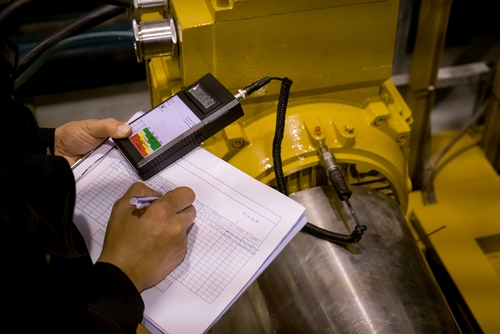
One notable example involves a global automotive parts manufacturer. By integrating condition monitoring and predictive analytics, the company reduced unplanned downtime by 40% and extended the average lifespan of its production assets by over 20%. Maintenance interventions were scheduled based on real-time data, allowing for repairs before failures occurred. This approach not only minimized disruptions but also led to significant cost savings on spare parts and overtime labor.
For those interested in the technical side, learning about vibration analysis techniques can help deepen understanding of how predictive maintenance identifies early warning signs.
Energy Sector: Enhancing Reliability and Safety
The energy industry, particularly power generation, relies heavily on the continuous operation of turbines, generators, and transformers. Predictive maintenance has become a cornerstone for ensuring reliability and safety in these environments.
A leading power utility implemented a predictive maintenance program focused on its fleet of gas turbines. By analyzing vibration, temperature, and oil quality data, the maintenance team could identify developing faults such as bearing wear or misalignment. As a result, the utility reported a 30% reduction in forced outages and improved overall plant efficiency. These improvements translated into millions of dollars in avoided downtime and a safer working environment for staff.
For a deeper dive into how predictive analytics applies to specific equipment, consider reviewing resources on vibration analysis for food processing equipment and vibration analysis for textile machinery.
Transportation: Keeping Fleets on the Move
Transportation companies, including railways and logistics providers, are increasingly adopting predictive maintenance to keep their fleets operational. Sensors installed on locomotives and freight cars monitor parameters such as axle temperature, wheel vibration, and brake performance.
A prominent railway operator used predictive analytics to monitor wheelset conditions across its network. By acting on early warnings, the company prevented several potential derailments and reduced maintenance costs by 25%. The data-driven approach also allowed for more efficient scheduling of repairs, minimizing service interruptions and improving customer satisfaction.
Food Processing: Ensuring Quality and Compliance
In the food and beverage industry, equipment failures can lead to product loss, contamination, and regulatory issues. Predictive maintenance helps companies maintain high standards of quality and compliance by monitoring critical assets such as mixers, conveyors, and refrigeration units.

A large dairy producer implemented a predictive maintenance system that monitored vibration and temperature on its pasteurization line. The system detected abnormal patterns in a critical pump, allowing maintenance to intervene before a failure could halt production. This proactive approach ensured product quality, reduced waste, and helped the company avoid costly regulatory fines.
For practical advice on interpreting sensor data, the article on machine vibration data interpretation provides a helpful field guide.
Key Benefits Highlighted by Predictive Maintenance Case Studies
- Reduced unplanned downtime: Early detection of faults allows for timely interventions, minimizing disruptions.
- Lower maintenance costs: Targeted repairs and fewer emergency callouts reduce overall expenses.
- Extended asset life: Addressing issues before they escalate helps assets last longer.
- Improved safety and compliance: Proactive maintenance reduces the risk of accidents and regulatory breaches.
- Optimized resource allocation: Maintenance teams can focus efforts where they are most needed, increasing efficiency.
Lessons Learned and Best Practices
While the advantages are clear, successful implementation of predictive maintenance requires careful planning and execution. The following best practices emerge from real-world examples:
- Start with critical assets: Focus initial efforts on equipment whose failure would have the greatest impact.
- Invest in quality data: Reliable sensors and accurate data collection are essential for meaningful analysis.
- Leverage domain expertise: Combine machine learning with the knowledge of experienced technicians for best results.
- Integrate with existing systems: Ensure predictive tools work seamlessly with current maintenance management processes.
- Train staff: Equip teams with the skills to interpret data and act on insights.
Organizations that follow these guidelines are more likely to achieve the full benefits of predictive maintenance, as demonstrated in numerous industry case studies.
Frequently Asked Questions
What industries benefit most from predictive maintenance?
Industries with high-value assets and critical uptime requirements, such as manufacturing, energy, transportation, and food processing, see the greatest benefits. However, any sector with complex equipment can gain from predictive strategies.
How does predictive maintenance differ from preventive maintenance?
Preventive maintenance relies on scheduled service intervals, regardless of equipment condition. Predictive maintenance, on the other hand, uses real-time data to determine when maintenance is actually needed, reducing unnecessary work and preventing unexpected failures.
What technologies are essential for successful predictive maintenance?
Key technologies include sensors for condition monitoring, data analytics platforms, and machine learning algorithms. Integration with maintenance management systems and staff training are also critical for success.
Conclusion
The field-proven results highlighted in these predictive maintenance case studies demonstrate the transformative impact of data-driven maintenance strategies. By adopting proactive approaches, companies across industries are achieving greater reliability, cost savings, and operational excellence. As technology continues to advance, the adoption of predictive maintenance is set to become the standard for organizations seeking to maximize asset performance and minimize risk.