
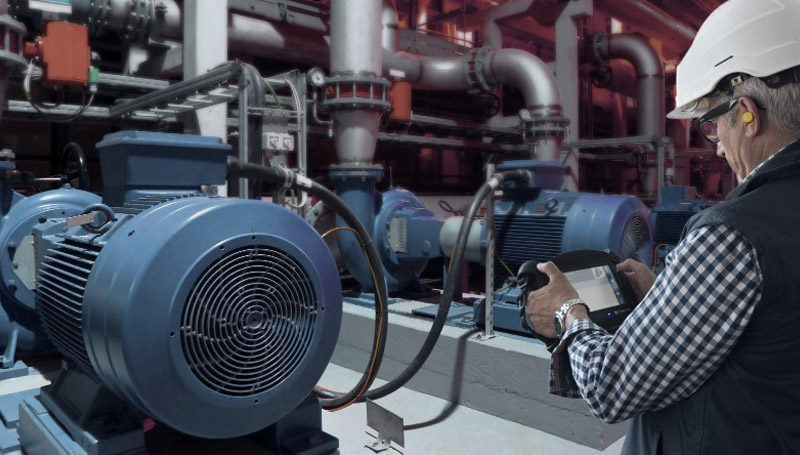
Modern manufacturing demands high uptime, efficiency, and safety. As factories become more automated and interconnected, the need for real time factory monitoring solutions has never been greater. These systems empower maintenance teams to detect issues before they escalate, minimize unplanned downtime, and optimize asset performance. By leveraging continuous data streams and advanced analytics, organizations can shift from reactive to proactive maintenance strategies—saving costs and extending equipment life.
For industries where machinery health is critical, such as power generation, textiles, and food processing, integrating intelligent monitoring tools is a game-changer. If you’re interested in how these approaches apply to specific sectors, the article on vibration analysis for power plants offers a deep dive into monitoring critical assets in energy production.
Understanding the Shift to Proactive Maintenance
Traditional maintenance models often rely on scheduled inspections or waiting for equipment to fail before taking action. This reactive approach can lead to costly downtime, unexpected repairs, and even safety hazards. In contrast, proactive maintenance enabled by real time factory monitoring solutions focuses on identifying early warning signs and addressing them before they disrupt operations.
Key benefits of this shift include:
- Reduced unplanned downtime: Continuous monitoring helps spot anomalies before they cause breakdowns.
- Lower maintenance costs: Early detection allows for minor repairs instead of major overhauls.
- Improved asset lifespan: Timely interventions prevent excessive wear and tear.
- Enhanced safety: Identifying risks early reduces the likelihood of accidents.
Core Components of Modern Factory Monitoring Systems
Effective monitoring platforms combine hardware, software, and connectivity to deliver actionable insights. Here are the essential elements:
- Sensors: Devices such as vibration, temperature, pressure, and current sensors collect real-time data from machines.
- Edge Devices and Gateways: These units aggregate sensor data and transmit it securely to central servers or the cloud.
- Analytics Software: Advanced algorithms analyze incoming data to detect patterns, trends, and anomalies.
- Dashboards and Alerts: User-friendly interfaces visualize equipment status and send notifications when thresholds are breached.
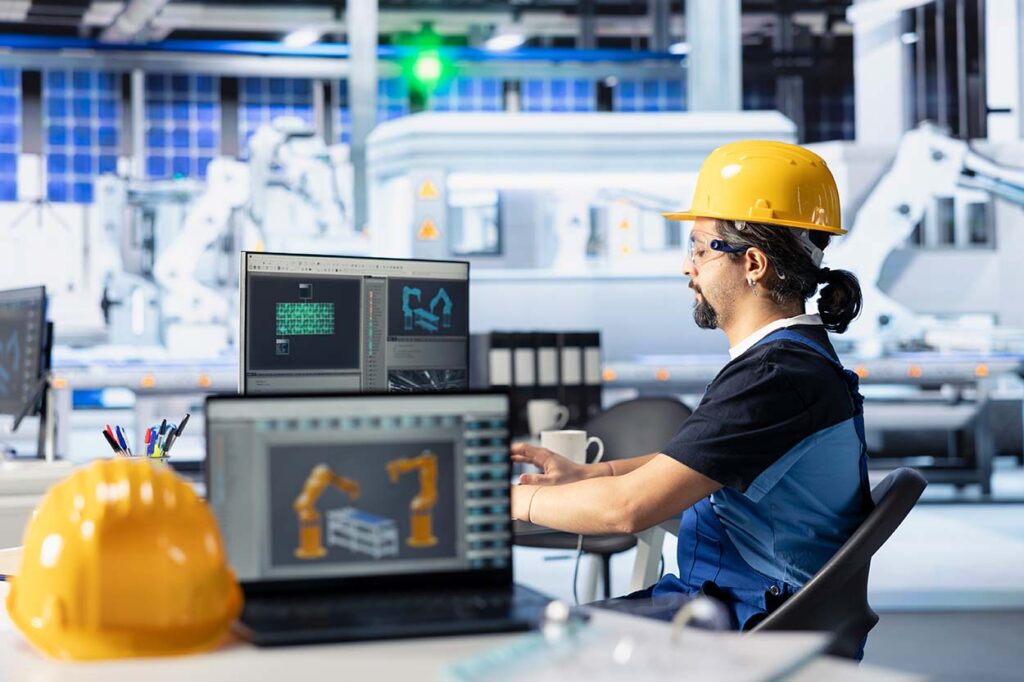
Key Features of Real-Time Monitoring Platforms
When evaluating real time factory monitoring solutions, look for these critical features:
- Continuous Data Acquisition: Systems should capture and process data around the clock for maximum visibility.
- Customizable Alerts: Maintenance teams can set specific thresholds for different machines, ensuring relevant notifications.
- Historical Data Analysis: Access to past performance data helps identify recurring issues and optimize maintenance schedules.
- Integration Capabilities: Seamless connection with existing ERP, CMMS, or SCADA systems streamlines workflows.
- Remote Access: Cloud-based dashboards allow stakeholders to monitor assets from anywhere, supporting multi-site operations.
How Real-Time Monitoring Enables Predictive and Preventive Maintenance
By collecting and analyzing operational data, modern monitoring solutions support both predictive and preventive maintenance strategies:
- Predictive Maintenance: Algorithms forecast potential failures based on trends in vibration, temperature, or other parameters. Maintenance can be scheduled just before a problem is likely to occur.
- Preventive Maintenance: Regular interventions are planned based on actual equipment condition, not just time intervals. This approach reduces unnecessary servicing and focuses resources where they are needed most.
For a practical guide on interpreting machine health data, see the resource on machine vibration data interpretation, which breaks down the process of turning sensor readings into actionable insights.
Applications Across Different Industries
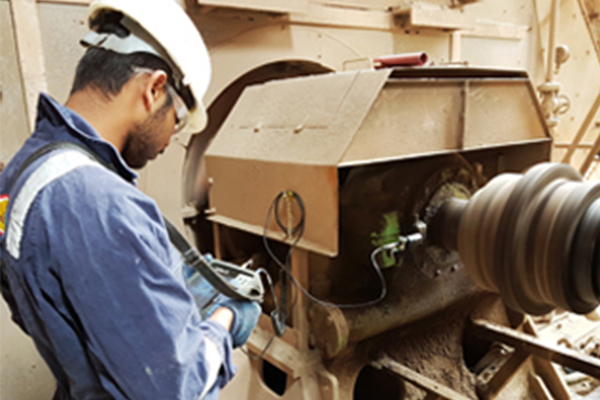
The adoption of real time factory monitoring solutions is transforming a wide range of sectors. Here are a few examples:
- Power Generation: Monitoring turbines, generators, and pumps helps prevent catastrophic failures and ensures reliable energy supply. For more, explore vibration analysis for power plants.
- Textile Manufacturing: Continuous oversight of looms and spinning machines minimizes production stoppages. Insights are available in the article on vibration analysis for textile machinery.
- Food Processing: Ensuring equipment runs smoothly is vital for both productivity and safety. Learn more from vibration analysis for food processing equipment.
- Automotive and Aerospace: Real-time monitoring supports high-precision manufacturing and compliance with strict quality standards.
Implementing a Real-Time Monitoring Strategy
Deploying an effective monitoring system involves several key steps:
- Assess Current Assets: Identify critical machines and processes that would benefit most from continuous oversight.
- Select Appropriate Sensors: Choose sensor types based on the parameters you need to track (vibration, temperature, etc.).
- Integrate with Existing Systems: Ensure compatibility with your current maintenance and production software.
- Train Staff: Equip maintenance teams with the skills to interpret data and respond to alerts effectively.
- Review and Optimize: Regularly analyze system performance and adjust thresholds or workflows as needed.
For a broader perspective on how digital technologies are reshaping industrial maintenance, the article on industrial IoT maintenance applications provides valuable context.
Challenges and Considerations
While the advantages are clear, implementing real time factory monitoring solutions comes with challenges:
- Data Overload: Large volumes of sensor data require robust analytics to extract meaningful insights.
- Integration Complexity: Connecting new systems with legacy equipment and software can be demanding.
- Cybersecurity: Protecting sensitive operational data is essential, especially with cloud-based platforms.
- Change Management: Gaining buy-in from staff and aligning processes with new technologies is critical for success.
Despite these hurdles, the long-term benefits in reliability, efficiency, and cost savings make the investment worthwhile.
Best Practices for Maximizing ROI
To get the most from your monitoring investment, consider these best practices:
- Start Small: Pilot the system on a few critical assets before scaling up.
- Set Clear Objectives: Define what success looks like—reduced downtime, lower maintenance costs, or improved safety.
- Leverage Expert Support: Work with vendors or consultants experienced in industrial monitoring and analytics.
- Continuously Improve: Use feedback and performance data to refine your approach over time.
For further reading on the technical aspects of vibration analysis, this comprehensive overview of vibration analysis methods explains how these techniques underpin modern monitoring strategies.
FAQ
What types of equipment benefit most from real-time monitoring?
Assets that are critical to production, have high replacement costs, or are prone to wear—such as motors, pumps, compressors, and conveyors—see the greatest value from continuous monitoring. These systems help detect early signs of failure and schedule maintenance before issues escalate.
How does real-time monitoring differ from traditional maintenance?
Traditional maintenance often relies on fixed schedules or waiting for breakdowns. Real-time monitoring uses continuous data collection and analytics to identify problems as they develop, enabling proactive interventions and reducing unplanned downtime.
Is it difficult to integrate monitoring solutions with existing factory systems?
Integration can be straightforward if you select platforms designed for interoperability. Many modern solutions offer APIs and connectors for popular ERP, CMMS, and SCADA systems. However, legacy equipment may require additional gateways or custom interfaces to connect seamlessly.