
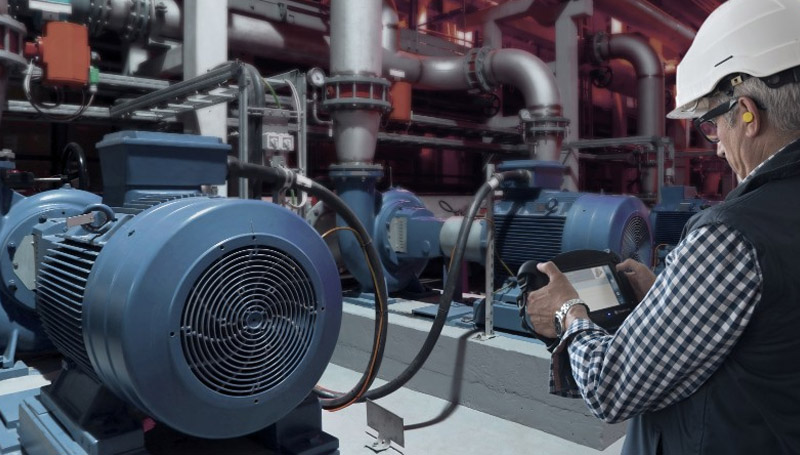
Real time machine monitoring systems have become essential tools for manufacturers and industrial operators seeking to maximize uptime, reduce maintenance costs, and gain actionable insights into equipment performance. By continuously tracking the health and status of critical assets, these solutions help organizations move from reactive to predictive maintenance, minimizing unplanned downtime and improving operational efficiency.
The adoption of these technologies is accelerating as industries face increasing pressure to optimize productivity and ensure safety. Whether you manage a power plant, textile mill, or food processing facility, understanding how these monitoring platforms function—and the value they deliver—can make a significant difference in your bottom line.
For those interested in specialized monitoring, such as vibration analysis for power plants, integrating these advanced systems can further enhance the reliability of critical assets and streamline maintenance strategies.
What Are Real-Time Machine Monitoring Systems?
At their core, real time machine monitoring systems are integrated platforms that collect, analyze, and visualize data from industrial equipment as it operates. These solutions use a network of sensors—such as vibration, temperature, and pressure sensors—to track the condition and performance of machines in real time. The data is transmitted to a central dashboard, where operators and maintenance teams can access live updates, receive alerts, and generate reports.
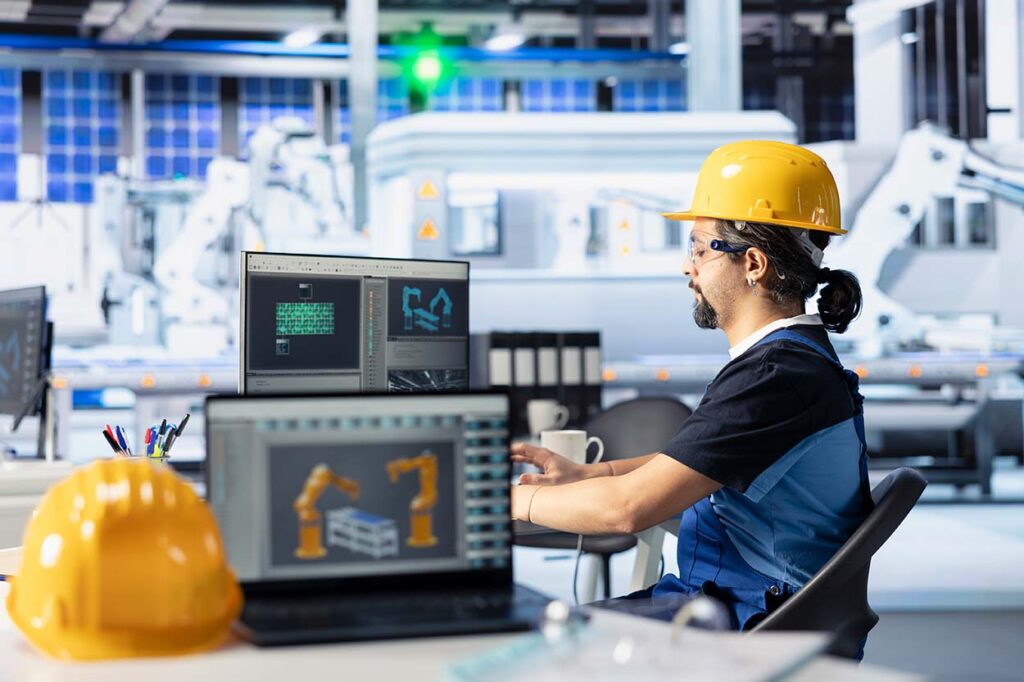
These platforms are designed to support a wide range of industries, from manufacturing and energy to food processing and textiles. By providing continuous visibility into asset health, they empower organizations to detect anomalies early, schedule maintenance proactively, and avoid costly breakdowns.
Key Components and How They Work Together
A typical real-time monitoring setup includes several interconnected elements:
- Sensors: Devices installed on machines to measure parameters like vibration, temperature, current, and pressure.
- Data Acquisition Units: Hardware that collects sensor data and transmits it to a central system.
- Connectivity: Wired or wireless networks (such as Ethernet, Wi-Fi, or industrial IoT protocols) that enable real-time data transfer.
- Analytics Software: Applications that process incoming data, identify patterns, and trigger alerts based on predefined thresholds.
- User Interface: Dashboards and mobile apps that visualize equipment status, trends, and maintenance recommendations.
The process begins with sensors continuously monitoring machine parameters. When the system detects unusual patterns—such as increased vibration or temperature—it can automatically notify operators, helping them intervene before a minor issue escalates into a major failure.
Benefits of Implementing Real-Time Monitoring
Deploying a real-time asset monitoring solution offers a range of tangible advantages:
- Reduced Downtime: Early detection of faults allows for timely intervention, minimizing unplanned outages.
- Lower Maintenance Costs: By shifting from reactive to predictive maintenance, organizations can avoid unnecessary repairs and extend equipment life.
- Improved Safety: Continuous monitoring helps identify hazardous conditions, protecting both personnel and assets.
- Data-Driven Decisions: Access to historical and real-time data supports better planning and resource allocation.
- Regulatory Compliance: Automated record-keeping simplifies compliance with industry standards and audits.
For industries where uptime and reliability are critical, these benefits translate directly into increased productivity and profitability.
Common Applications Across Industries
Real time machine monitoring systems are versatile and can be tailored to various industrial environments. Some notable use cases include:
- Manufacturing: Monitoring CNC machines, conveyors, and robotics to optimize throughput and reduce scrap rates.
- Power Generation: Tracking turbines, pumps, and generators for early signs of wear or imbalance.
- Textile Production: Ensuring looms and spinning machines operate smoothly, minimizing downtime.
- Food Processing: Maintaining consistent operation of mixers, packaging lines, and refrigeration units for safety and efficiency.
If you’re interested in industry-specific applications, you may want to explore resources on vibration analysis for textile machinery or vibration analysis for food processing equipment for deeper insights.
How Real-Time Data Enables Predictive Maintenance
One of the most impactful features of these monitoring platforms is their ability to support predictive maintenance. By continuously analyzing sensor data, the system can forecast when a component is likely to fail based on trends and historical patterns. This approach allows maintenance teams to plan interventions during scheduled downtimes, reducing the risk of unexpected breakdowns.
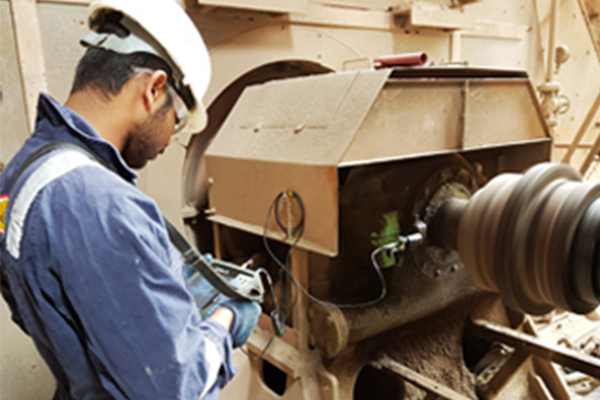
Predictive maintenance not only saves money but also extends the lifespan of critical assets. For those looking to interpret complex data, guides like machine vibration data interpretation can be valuable resources.
Choosing the Right Monitoring Solution
Selecting the best platform for your facility depends on several factors:
- Type of Equipment: Consider the machines you need to monitor and the specific parameters that indicate their health.
- Scalability: Ensure the system can grow with your operations, supporting additional assets as needed.
- Integration: Look for solutions that can connect with existing enterprise systems or industrial IoT platforms.
- User Experience: A clear, intuitive dashboard makes it easier for teams to act on insights quickly.
- Support and Training: Reliable vendor support and comprehensive training can accelerate adoption and ROI.
It’s also important to evaluate the analytics capabilities of the software. Advanced solutions offer features like automated anomaly detection, customizable alerts, and detailed reporting.
Challenges and Considerations
While the advantages are significant, there are some challenges to consider:
- Initial Investment: Upfront costs for sensors, hardware, and software can be substantial, though the long-term savings often outweigh these expenses.
- Data Security: Protecting sensitive operational data from cyber threats is essential, especially with cloud-based systems.
- Change Management: Successful implementation requires buy-in from all stakeholders and may involve changes to existing workflows.
Careful planning and a phased rollout can help mitigate these challenges, ensuring a smooth transition and maximum benefit.
Industry Trends and the Future of Machine Monitoring
The field of real-time asset monitoring is evolving rapidly. Advances in industrial IoT, artificial intelligence, and edge computing are making these systems more powerful and accessible. Modern platforms can now process vast amounts of data locally, reducing latency and enabling faster decision-making.
Emerging trends include:
- Integration with Maintenance Management Systems: Seamless data sharing between monitoring and maintenance platforms streamlines workflows.
- Mobile Accessibility: Operators can receive alerts and view dashboards on smartphones and tablets, improving responsiveness.
- Advanced Analytics: Machine learning algorithms can identify subtle patterns and predict failures with greater accuracy.
For a deeper dive into the role of vibration analysis in predictive maintenance, the vibration analysis overview from Cadence Petroleum offers a comprehensive look at techniques and benefits.
Frequently Asked Questions
What types of machines benefit most from real-time monitoring?
Any equipment that is critical to production or safety can benefit, including motors, pumps, compressors, turbines, and conveyor systems. The technology is especially valuable for assets where downtime is costly or hazardous.
How difficult is it to implement a real-time monitoring system?
Implementation varies by facility size and complexity. Many modern solutions are designed for straightforward installation, with wireless sensors and cloud-based dashboards reducing the need for extensive IT infrastructure. Working with experienced vendors and providing staff training can further ease the process.
Can real-time monitoring help reduce energy consumption?
Yes, by identifying inefficient operating conditions—such as excessive vibration, overheating, or misalignment—these systems can help optimize machine performance and reduce unnecessary energy use.
Conclusion
Real time machine monitoring systems are transforming how industries maintain and optimize their assets. By enabling continuous visibility, predictive analytics, and data-driven decision-making, these platforms help organizations reduce downtime, lower costs, and improve safety. As technology continues to advance, adopting a robust monitoring solution is becoming not just an option, but a necessity for staying competitive in today’s industrial landscape.