
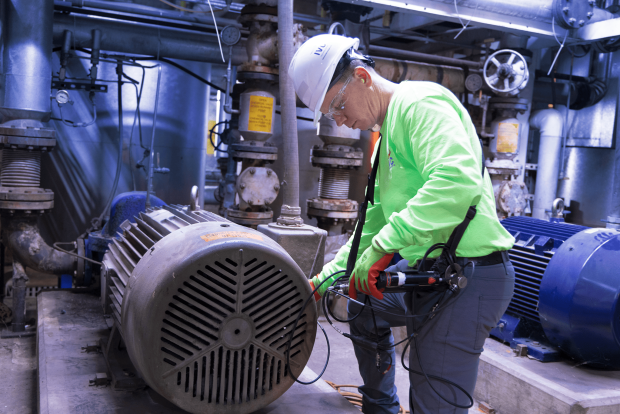
Remote machine condition monitoring has become a cornerstone of modern industrial maintenance and asset management. By leveraging sensors, connectivity, and advanced analytics, organizations can track the health of critical equipment from anywhere, reducing downtime and optimizing performance. This guide explores how remote monitoring works, its core benefits, and practical considerations for implementation.
Understanding the principles behind these systems is essential for maintenance teams, plant managers, and anyone responsible for equipment reliability. For those seeking deeper insights into interpreting vibration and sensor data, our machine vibration data interpretation guide provides practical field strategies.
What Is Remote Machine Condition Monitoring?
At its core, remote monitoring involves the continuous or periodic collection of data from machinery using sensors and transmitting that data to a centralized platform for analysis. Unlike traditional manual inspections, this approach enables real-time visibility into equipment status, regardless of location.
Commonly monitored parameters include:
- Vibration levels
- Temperature
- Pressure
- Current and voltage
- Lubrication status
Sensors installed on assets capture these metrics, which are then sent via wired or wireless networks to cloud-based or on-premises systems. Maintenance teams and engineers can access dashboards, receive alerts, and analyze trends remotely, allowing for proactive decision-making.

How Remote Monitoring Systems Work
The architecture of a remote monitoring solution typically includes several layers:
- Sensors and Data Acquisition: Devices such as accelerometers, thermocouples, and pressure transducers are mounted on equipment to measure key indicators. These sensors are selected based on the type of asset and the failure modes of concern.
- Edge Devices and Gateways: Data from sensors is aggregated and sometimes pre-processed by edge devices or gateways. These components can filter, compress, or even analyze data locally before sending it onward.
- Connectivity: Data is transmitted over industrial Ethernet, Wi-Fi, cellular, or LPWAN networks. The choice depends on site infrastructure, range, and reliability needs.
- Cloud or On-Premises Platforms: Centralized software receives, stores, and analyzes the incoming data. Advanced platforms use machine learning to identify patterns, predict failures, and trigger alerts.
- User Interfaces and Alerts: Maintenance teams access dashboards and reports via web or mobile apps. Automated notifications can be sent by email, SMS, or integrated with maintenance management systems.
This layered approach ensures that data is captured accurately, transmitted securely, and made actionable for decision-makers.
Key Benefits of Remote Machine Condition Monitoring
Implementing a remote monitoring strategy delivers several important advantages:
- Reduced Downtime: Early detection of anomalies allows maintenance teams to address issues before they escalate into failures, minimizing unplanned outages.
- Lower Maintenance Costs: By shifting from reactive to predictive maintenance, organizations can optimize spare parts usage and reduce unnecessary interventions.
- Improved Safety: Remote access means fewer manual inspections in hazardous environments, reducing risk for personnel.
- Asset Longevity: Continuous monitoring helps identify suboptimal operating conditions, enabling corrective actions that extend equipment life.
- Data-Driven Decisions: Historical and real-time data support better planning, budgeting, and resource allocation.
For those interested in how vibration analysis specifically contributes to predictive maintenance, our overview on vibration analysis for predictive maintenance covers the topic in depth.
Common Applications and Use Cases
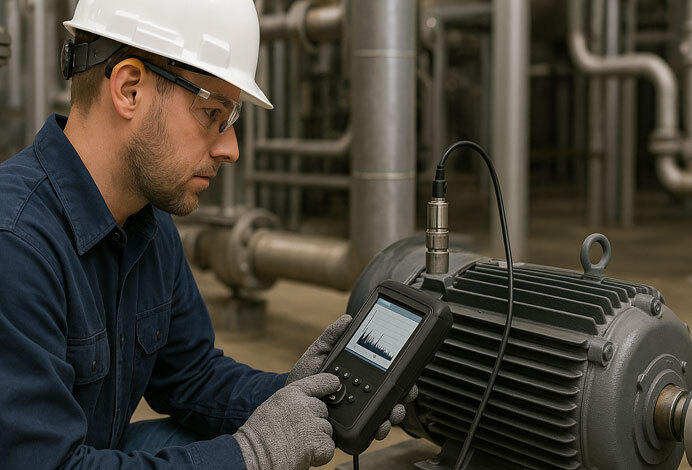
Remote machine condition monitoring is widely adopted across industries such as manufacturing, energy, water treatment, and transportation. Typical use cases include:
- Rotating Equipment: Motors, pumps, fans, and compressors are frequently monitored for vibration and temperature to prevent bearing failures and misalignment.
- HVAC Systems: Facilities use remote monitoring to track chillers, boilers, and air handlers, ensuring comfort and energy efficiency.
- Utilities and Power Plants: Turbines, generators, and transformers are monitored to avoid costly outages and ensure grid stability.
- Remote or Unmanned Sites: Oil and gas pipelines, wind farms, and solar installations benefit from centralized monitoring, reducing the need for site visits.
These applications highlight the versatility and value of remote monitoring in both critical infrastructure and day-to-day operations.
Challenges and Considerations
While the advantages are clear, implementing a remote monitoring solution requires careful planning. Key challenges include:
- Integration: Connecting new sensors to legacy equipment and existing IT systems can be complex.
- Data Security: Transmitting sensitive operational data over networks introduces cybersecurity risks that must be managed.
- Scalability: As the number of monitored assets grows, systems must handle increased data volumes and maintain performance.
- Change Management: Staff may need training to interpret data and respond to alerts effectively.
A phased approach, starting with critical assets and expanding as experience grows, can help organizations realize benefits while minimizing disruption.
Vibration Analysis: A Key Component
One of the most widely used techniques in remote monitoring is vibration analysis. By tracking changes in vibration patterns, maintenance teams can detect imbalance, misalignment, looseness, and bearing defects long before they cause failures.
For a comprehensive explanation of this technique, see this complete guide to vibration analysis. Understanding how to interpret vibration data is crucial for maximizing the value of remote monitoring investments.
Getting Started With Remote Monitoring
Organizations interested in adopting remote monitoring should begin by identifying critical assets and failure modes. Key steps include:
- Assessing current maintenance practices and pain points
- Defining objectives (e.g., reduce downtime, improve safety)
- Selecting appropriate sensors and connectivity solutions
- Choosing a scalable software platform
- Training staff and establishing response protocols
Piloting the system on a small scale allows teams to build expertise and demonstrate value before expanding to additional assets or sites.
Frequently Asked Questions
What types of equipment benefit most from remote condition monitoring?
Assets that are critical to production, expensive to repair, or located in hard-to-reach or hazardous areas gain the most from remote monitoring. This includes rotating machinery (motors, pumps), HVAC systems, and equipment in utilities or remote installations.
How does remote monitoring improve maintenance strategies?
By providing real-time data and early warnings, remote monitoring enables a shift from reactive to predictive maintenance. This reduces emergency repairs, lowers costs, and extends asset life by addressing issues before they become serious.
Is it difficult to integrate remote monitoring with existing systems?
Integration can be challenging, especially with older equipment or complex IT environments. However, many modern platforms offer flexible interfaces and support for a wide range of sensors and protocols, making phased implementation possible.