
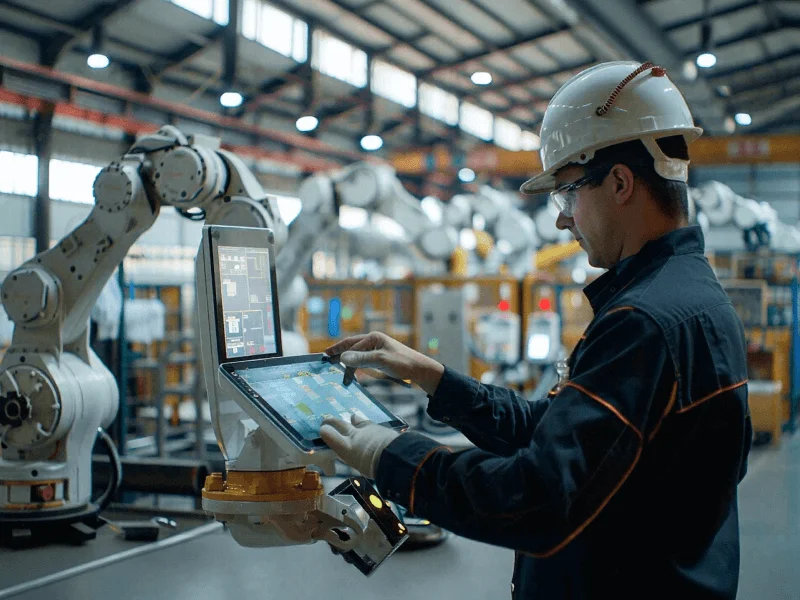
The rapid evolution of manufacturing and logistics has brought about significant changes in how materials are moved, stored, and managed within facilities. Automated material handling systems have become essential for streamlining operations, reducing manual labor, and improving overall efficiency. These technologies integrate robotics, sensors, and software to automate repetitive tasks, minimize errors, and enable real-time data tracking. As industries seek to remain competitive, grasping the fundamentals and benefits of these systems is crucial for decision-makers and operations managers alike.
Whether you are new to the concept or looking to optimize your current processes, this article offers a comprehensive look at the principles, technologies, and strategic advantages of automated solutions. For those interested in related topics, exploring motion blur composition examples can provide insights into how automation and imaging intersect in modern industry.
What Is Automated Material Handling?
At its core, automated material handling refers to the use of technology to move, store, control, and protect materials throughout manufacturing, warehousing, distribution, and disposal processes. These systems replace or augment manual labor with machines and software, resulting in faster, safer, and more consistent operations.
Common components include automated guided vehicles (AGVs), conveyor systems, robotic arms, automated storage and retrieval systems (AS/RS), and advanced warehouse management software. By integrating these elements, facilities can achieve seamless material flow with minimal human intervention.
Key Technologies Powering Modern Material Handling
The landscape of automated material movement is shaped by several innovative technologies. Understanding these components helps organizations select and implement the right solutions for their needs.
- Automated Guided Vehicles (AGVs): Self-driving vehicles that transport goods along predefined paths, reducing the need for forklifts and manual carts.
- Conveyor Systems: Mechanized belts or rollers that move products efficiently between workstations, storage areas, or shipping docks.
- Robotic Arms: Programmable machines capable of picking, placing, sorting, and assembling items with high precision.
- Automated Storage and Retrieval Systems (AS/RS): Computer-controlled systems that automatically place and retrieve loads from defined storage locations.
- Warehouse Management Systems (WMS): Software platforms that coordinate inventory, track shipments, and optimize storage layouts for maximum efficiency.

Benefits of Embracing Automated Handling Solutions
Adopting automated systems for material movement offers a range of tangible benefits for businesses across manufacturing, warehousing, and distribution sectors. These advantages include:
- Increased Efficiency: Automated solutions operate around the clock, reducing downtime and accelerating throughput.
- Enhanced Safety: By minimizing manual handling, the risk of workplace injuries and accidents is significantly reduced.
- Cost Savings: Lower labor costs, fewer errors, and reduced product damage contribute to long-term financial gains.
- Improved Accuracy: Automation ensures precise inventory tracking and order fulfillment, leading to higher customer satisfaction.
- Scalability: As business needs grow, automated systems can be expanded or reconfigured with minimal disruption.
Challenges and Considerations in Implementation
While the advantages are clear, transitioning to automated material handling is not without its challenges. Organizations must carefully assess their current workflows, facility layout, and long-term objectives before investing in new technologies.
- Initial Investment: The upfront cost of equipment and integration can be substantial, though it is often offset by long-term savings.
- Workforce Adaptation: Employees may require training to work alongside automated systems or to manage new software platforms.
- System Integration: Ensuring compatibility between existing infrastructure and new automation technologies is essential for smooth operation.
- Maintenance and Support: Ongoing technical support and preventive maintenance are necessary to keep systems running reliably.
For a deeper dive into how smart factories are transforming the industry, consider reviewing the overview of smart factory solutions that highlight the integration of automation, AI, and data analytics.

Best Practices for Optimizing Automated Material Handling
Maximizing the value of automation in material movement requires careful planning and ongoing evaluation. Here are some best practices to consider:
- Conduct a Thorough Needs Assessment: Analyze current processes to identify bottlenecks and areas where automation can deliver the greatest impact.
- Start Small and Scale: Pilot programs allow organizations to test solutions before full-scale deployment, minimizing risk and disruption.
- Integrate with Existing Systems: Ensure new technologies are compatible with current software and hardware to avoid costly overhauls.
- Prioritize Employee Training: Equip staff with the knowledge and skills needed to operate and maintain automated equipment.
- Monitor and Optimize: Use data analytics to track performance, identify inefficiencies, and continuously refine processes.
For those interested in how automation intersects with imaging and photography, the motion blur cinematic photography guide offers a unique perspective on capturing movement in industrial environments.
Future Trends in Automated Material Handling
As technology continues to advance, several trends are shaping the future of material handling automation:
- Artificial Intelligence (AI): Machine learning algorithms are enabling smarter routing, predictive maintenance, and adaptive workflows.
- Internet of Things (IoT): Connected sensors and devices provide real-time visibility into material flow and equipment status.
- Collaborative Robots (Cobots): These robots are designed to work safely alongside humans, enhancing flexibility and productivity.
- Cloud-Based Management: Centralized platforms allow for remote monitoring, control, and optimization of automated systems.
- Sustainability Initiatives: Energy-efficient equipment and smarter logistics contribute to reduced environmental impact.
Staying informed about these trends ensures that businesses remain agile and ready to adopt the next generation of automation solutions.
FAQ
What industries benefit most from automated material handling?
Sectors such as manufacturing, warehousing, logistics, automotive, pharmaceuticals, and e-commerce gain significant advantages from automation. These industries often handle large volumes of goods and require high accuracy, making automation a valuable investment.
How does automation improve workplace safety?
By reducing the need for manual lifting, repetitive tasks, and human interaction with heavy machinery, automated systems lower the risk of injuries and accidents. Safety sensors and programmed protocols further enhance protection for workers.
Can automated systems be customized for specific operations?
Yes, most modern solutions are highly adaptable. They can be tailored to fit unique facility layouts, product types, and workflow requirements, ensuring optimal performance for a wide range of applications.
What is the typical ROI for investing in automated handling solutions?
While the initial investment can be substantial, many organizations see a return within two to five years due to reduced labor costs, increased throughput, and fewer errors. The exact ROI depends on the scale of implementation and operational improvements achieved.
As industries continue to evolve, keeping pace with advancements in automation is essential. For more insights on capturing movement and optimizing industrial processes, explore the motion blur settings for beginners guide.