
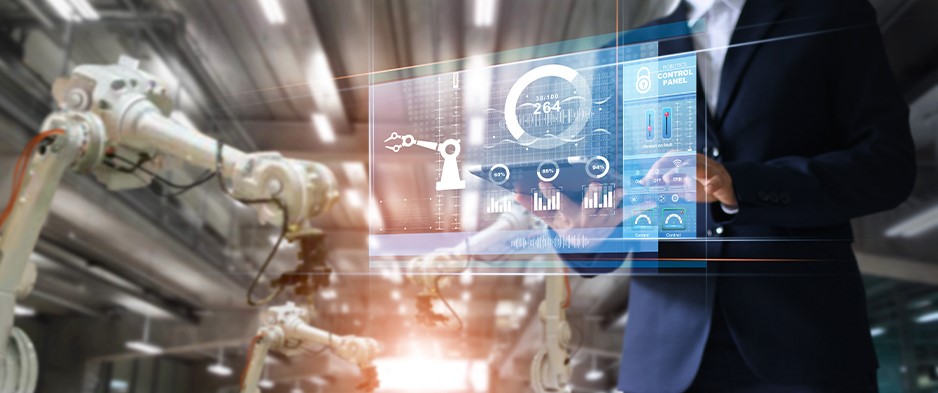
Autonomous material handling is transforming the way industries move, store, and manage goods. By leveraging robotics, artificial intelligence, and smart systems, companies can automate repetitive and labor-intensive tasks, leading to increased efficiency, reduced costs, and improved safety. As factories and warehouses strive to keep up with the demands of modern supply chains, the adoption of these advanced solutions is accelerating worldwide.
This article explores the core concepts, technologies, and real-world applications of automated material transport and storage. Whether you are a manufacturing professional, a logistics manager, or simply interested in the future of industrial automation, this guide will provide a clear overview of how these systems work and why they matter.
For those interested in the creative side of automation and motion, you might also find inspiration in motion blur creative inspiration, which showcases how movement and technology intersect in visual arts.
What Is Automated Material Handling?
Automated material handling refers to the use of machines and intelligent systems to transport, store, and manage materials within a facility. This includes equipment such as automated guided vehicles (AGVs), autonomous mobile robots (AMRs), conveyor systems, robotic arms, and smart storage solutions. The goal is to minimize manual intervention, optimize workflows, and ensure that materials are delivered to the right place at the right time.
Understanding autonomous material handling involves recognizing the shift from traditional, human-driven processes to integrated, data-driven operations. These systems can operate independently, make decisions based on real-time data, and adapt to changing environments, making them essential for modern manufacturing and logistics.
Key Technologies Powering Autonomous Systems
Several technological advancements have made it possible for material handling to become more autonomous and intelligent. Here are some of the most important components:
- Robotics: Robots equipped with sensors and AI algorithms can navigate complex environments, pick and place items, and collaborate with human workers.
- Artificial Intelligence: Machine learning enables systems to analyze data, predict demand, and optimize routes or inventory levels.
- Internet of Things (IoT): Connected devices collect and share data, providing real-time visibility into operations and enabling predictive maintenance.
- Vision Systems: Cameras and sensors help robots identify objects, avoid obstacles, and ensure quality control.
- Warehouse Management Software: Advanced software coordinates the movement of goods, tracks inventory, and integrates with other business systems.

Benefits of Automated Material Handling Solutions
Organizations that implement autonomous systems for material movement and storage can realize a wide range of advantages:
- Increased Efficiency: Automated systems operate around the clock, reducing downtime and speeding up workflows.
- Cost Savings: By minimizing manual labor and reducing errors, companies can lower operational costs.
- Enhanced Safety: Robots and automated vehicles can handle dangerous or repetitive tasks, reducing the risk of workplace injuries.
- Scalability: These solutions can be scaled up or down based on demand, making them ideal for businesses with fluctuating needs.
- Data-Driven Decision Making: Real-time data collection enables better forecasting, inventory management, and process optimization.
Real-World Applications in Industry
Autonomous material handling is being adopted across a variety of sectors. Some common applications include:
- Manufacturing: Automated guided vehicles transport raw materials and finished products between workstations, while robotic arms handle assembly and packaging.
- Warehousing: AMRs and smart conveyors move goods efficiently through distribution centers, supporting rapid order fulfillment.
- Automotive: Robots manage heavy components and streamline just-in-time delivery processes.
- Pharmaceuticals: Automated systems ensure precise handling of sensitive materials and maintain strict inventory controls.
For a deeper look at how smart factories are evolving, the definition and benefits of smart factories provide valuable context on the broader digital transformation in manufacturing.

Challenges and Considerations for Implementation
While the advantages are clear, deploying autonomous material handling systems comes with its own set of challenges:
- Integration Complexity: Connecting new automation solutions with legacy systems and existing workflows can require significant planning and investment.
- Initial Costs: The upfront expense of purchasing and installing robotic equipment may be substantial, though long-term savings often offset these costs.
- Workforce Adaptation: Employees need training to work alongside automated systems and to manage new technologies.
- Maintenance and Support: Keeping advanced equipment running smoothly demands specialized knowledge and proactive maintenance.
- Cybersecurity: As more devices become connected, protecting sensitive data and operational integrity becomes increasingly important.
To address these challenges, organizations should conduct thorough needs assessments, choose scalable solutions, and invest in workforce development. Partnering with experienced automation providers can also help ensure a smooth transition.
Future Trends in Automated Material Handling
The landscape of material movement and storage continues to evolve rapidly. Some emerging trends include:
- Greater Use of Artificial Intelligence: AI-driven analytics and decision-making will further optimize logistics and inventory management.
- Collaborative Robots (Cobots): These robots are designed to work safely alongside humans, increasing flexibility and productivity.
- 5G Connectivity: Faster and more reliable wireless networks will enable real-time coordination of large fleets of robots and vehicles.
- Green Logistics: Energy-efficient robots and electric vehicles will help companies reduce their environmental footprint.
- Advanced Simulation and Digital Twins: Virtual models of warehouses and factories will allow for better planning and optimization before physical changes are made.
Best Practices for Adopting Autonomous Solutions
To maximize the benefits of automated material handling, organizations should follow these best practices:
- Start Small: Begin with pilot projects to test new technologies and measure results before scaling up.
- Engage Stakeholders: Involve employees, managers, and IT teams early in the process to ensure buy-in and smooth adoption.
- Focus on Integration: Choose solutions that can communicate with existing systems and adapt as business needs change.
- Prioritize Safety: Implement safety protocols and provide training to minimize risks associated with automation.
- Monitor and Optimize: Use data analytics to continuously improve processes and identify new opportunities for automation.
For those new to automation, resources like the motion blur settings for beginners guide can help demystify the technical aspects of working with advanced systems.
FAQ
How do autonomous material handling systems improve workplace safety?
Automated systems take over repetitive, heavy, or hazardous tasks, reducing the risk of injury to human workers. Robots and vehicles are equipped with sensors to detect obstacles and avoid collisions, further enhancing safety in busy industrial environments.
What industries benefit most from automated material handling?
Industries such as manufacturing, warehousing, automotive, and pharmaceuticals see significant gains from automation. Any sector that involves frequent movement, storage, or sorting of goods can benefit from these solutions.
Is it difficult to integrate autonomous systems with existing operations?
Integration can be complex, especially when dealing with legacy equipment or outdated software. However, modern automation providers offer scalable, modular solutions designed to work alongside existing infrastructure. Careful planning and phased implementation help ease the transition.
What is the difference between AGVs and AMRs?
Automated Guided Vehicles (AGVs) follow fixed paths using wires, magnets, or tracks, while Autonomous Mobile Robots (AMRs) use advanced sensors and AI to navigate dynamically and adapt to changing environments.
How can companies ensure a smooth transition to automated material handling?
Successful adoption involves clear goal setting, employee training, phased rollouts, and ongoing support. Partnering with experienced vendors and leveraging pilot projects can help organizations identify the best solutions for their needs.