
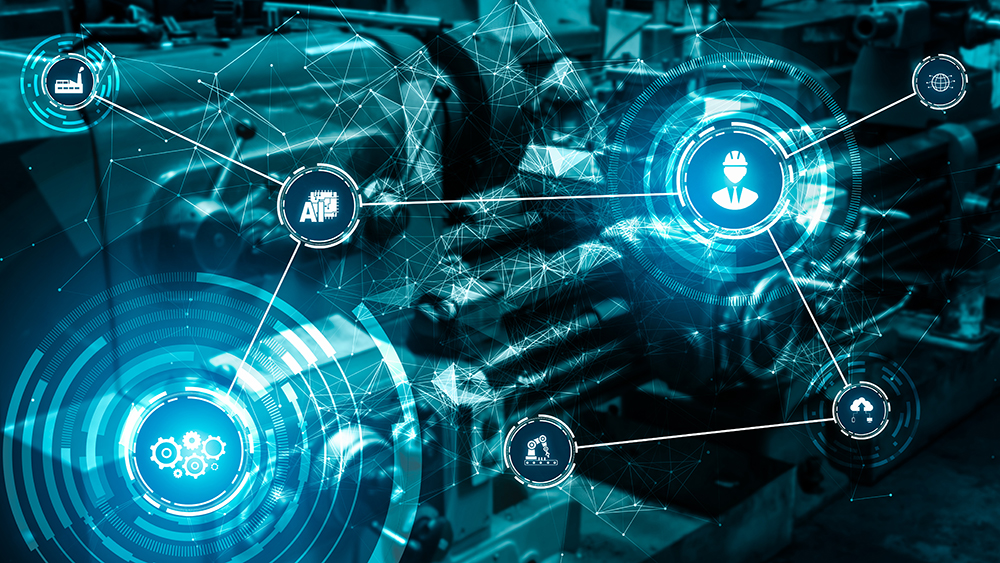
Modern manufacturing is evolving rapidly, driven by the need for greater efficiency, flexibility, and resilience. At the heart of this transformation are factory adaptive systems, which enable production environments to respond dynamically to changing conditions, demands, and disruptions. These intelligent systems are reshaping the way factories operate, making them smarter, more connected, and better equipped to handle the complexities of today’s industrial landscape.
For those interested in exploring the creative side of industrial technology, resources like motion blur composition examples can offer inspiration on how motion and automation intersect in modern settings. As we delve into the world of adaptive manufacturing, it’s important to understand the core concepts, benefits, and real-world applications that define this field.
What Are Adaptive Manufacturing Systems?
Adaptive manufacturing systems refer to production environments that can automatically adjust their operations in real time. These systems leverage a combination of sensors, data analytics, artificial intelligence, and connected machinery to monitor conditions and respond to changes without manual intervention. The goal is to create a flexible manufacturing process that can handle variability in product types, order volumes, supply chain disruptions, and equipment performance.
Unlike traditional factories, where processes are rigid and require significant downtime for reconfiguration, adaptive systems can shift production lines, reroute tasks, and optimize workflows on the fly. This agility is essential for industries facing unpredictable market demands or frequent product customization.
Key Components of Factory Adaptability
To achieve true adaptability, several technologies and strategies must work together:
- Industrial IoT (IIoT): Connected sensors and devices collect real-time data from machines, products, and the environment.
- Advanced Analytics: Data from the factory floor is analyzed to detect patterns, predict issues, and recommend adjustments.
- Artificial Intelligence: AI algorithms enable predictive maintenance, process optimization, and autonomous decision-making.
- Robotics and Automation: Flexible robots and automated systems can be reprogrammed or reconfigured quickly to handle new tasks.
- Cloud and Edge Computing: These technologies provide scalable computing power and enable rapid data processing close to the source.
By integrating these elements, factories can become more responsive and resilient, reducing downtime and improving overall productivity.
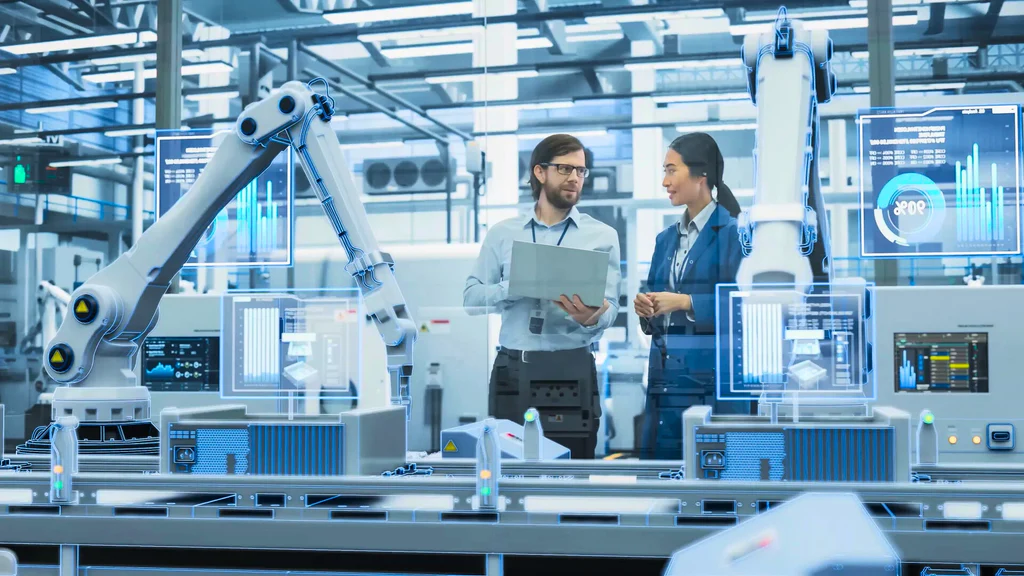
Benefits of Embracing Adaptive Production Environments
Implementing adaptive systems in manufacturing brings a range of advantages that go beyond simple automation. Some of the most significant benefits include:
- Increased Flexibility: Factories can switch between product variants, adjust batch sizes, and respond to last-minute changes with minimal disruption.
- Improved Efficiency: Real-time data and AI-driven insights help optimize resource allocation, reduce waste, and streamline workflows.
- Enhanced Quality Control: Continuous monitoring and feedback loops catch defects early and maintain consistent quality standards.
- Reduced Downtime: Predictive maintenance and self-healing systems minimize unexpected breakdowns and keep production running smoothly.
- Greater Resilience: Adaptive factories can quickly recover from supply chain interruptions or equipment failures by rerouting tasks and reallocating resources.
These advantages make adaptive manufacturing a compelling choice for companies looking to stay competitive in fast-changing markets.
How Adaptive Systems Work in Practice
To illustrate how these systems function, consider a factory producing multiple product lines. Sensors embedded throughout the facility collect data on machine performance, material flow, and environmental conditions. This information is fed into a central analytics platform, where AI models analyze trends and predict potential issues.
If a machine begins to show signs of wear, the system can automatically schedule maintenance or reroute production to another line. If a sudden spike in demand occurs for a particular product, the factory can reconfigure its robots and workflows to prioritize that item. These adjustments happen in real time, with minimal human intervention, ensuring that the factory remains productive and responsive.

Challenges in Implementing Flexible Manufacturing Systems
While the advantages are clear, transitioning to adaptive manufacturing is not without its hurdles. Some of the main challenges include:
- Integration Complexity: Connecting legacy equipment with modern digital systems can require significant investment and technical expertise.
- Data Security: As factories become more connected, protecting sensitive information from cyber threats becomes increasingly important.
- Workforce Training: Employees must learn to work alongside advanced automation and interpret data-driven insights.
- Initial Costs: Upfront investment in sensors, software, and infrastructure can be substantial, though long-term savings often justify the expense.
Addressing these challenges requires a strategic approach, including phased implementation, ongoing employee education, and strong cybersecurity practices.
Real-World Applications and Industry Examples
Adaptive systems are being adopted across a range of industries. In automotive manufacturing, flexible production lines allow for rapid changes between vehicle models. Electronics factories use real-time data to optimize assembly and minimize defects. Even food and beverage producers are leveraging adaptive technology to accommodate seasonal changes and shifting consumer preferences.
For a deeper dive into the concept of smart factories and how they relate to adaptive manufacturing, the definition and benefits of smart factories provide valuable context on the broader digital transformation in industry.
Connecting Adaptive Systems with Creative Technology
The intersection of automation, data, and creativity is opening new possibilities for both industrial and artistic innovation. For those interested in how motion and technology can inspire creative projects, exploring guides like the motion blur cinematic photography guide can offer unique perspectives. These resources highlight how the principles behind adaptive manufacturing—such as precision, timing, and dynamic response—are also relevant in creative fields.
Future Trends in Adaptive Manufacturing
Looking ahead, several trends are set to further enhance the adaptability of factories:
- Greater Use of AI and Machine Learning: As algorithms become more sophisticated, factories will gain even deeper insights and more autonomous control.
- Collaborative Robotics: Robots that work safely alongside humans will make it easier to reconfigure production lines and handle complex tasks.
- Decentralized Production: Smaller, networked factories can respond to local demands and reduce supply chain risks.
- Sustainable Manufacturing: Adaptive systems can optimize energy use and minimize waste, supporting environmental goals.
These developments will continue to drive innovation and competitiveness in manufacturing, making adaptability a core requirement for future success.
FAQ: Factory Adaptive Systems
What makes a factory system “adaptive”?
An adaptive factory system is one that can automatically adjust its operations in response to real-time data, changing production requirements, or unexpected disruptions. This is achieved through the integration of sensors, analytics, and automation technologies.
How do adaptive systems improve manufacturing efficiency?
By continuously monitoring processes and using AI-driven insights, adaptive systems can optimize resource allocation, reduce downtime, and maintain consistent product quality. This leads to faster response times and lower operational costs.
Are adaptive manufacturing systems suitable for small businesses?
Yes, while initial investment can be higher, scalable solutions and modular technologies are making adaptive systems more accessible to small and medium-sized enterprises. These systems can help smaller manufacturers stay competitive by increasing flexibility and efficiency.
As manufacturing continues to evolve, embracing adaptive technologies will be key to staying ahead. Whether you’re a factory manager, engineer, or creative professional, understanding the principles and benefits of these systems can open new opportunities for innovation and growth.