
The food industry is undergoing a significant transformation as collaborative robots, or cobots, become increasingly integrated into production lines. These advanced machines are designed to work safely alongside humans, automating repetitive and labor-intensive tasks while enhancing productivity, consistency, and safety. For manufacturers, understanding the role of cobots in food processing is essential to remain competitive and compliant with evolving industry standards.
From improving hygiene to optimizing throughput, cobots are reshaping how food is handled, packaged, and inspected. Their flexibility and adaptability make them a valuable asset for both large-scale operations and smaller facilities aiming to modernize their processes. For those interested in related optimization strategies, exploring the benefits of predictive scheduling for perishables can further enhance efficiency and reduce waste in food production environments.
What Are Cobots and How Do They Differ from Traditional Robots?
Cobots are a unique class of robots specifically engineered to collaborate with human workers. Unlike traditional industrial robots, which are often caged off for safety reasons, cobots are equipped with advanced sensors and force-limiting technology. This allows them to detect human presence and adjust their movements accordingly, minimizing the risk of accidents.
Key differences between cobots and conventional robots include:
- Safety features that enable close human interaction
- Simple programming interfaces, often allowing operators to teach tasks by demonstration
- Compact and lightweight designs suitable for flexible deployment
- Lower investment and maintenance costs
These characteristics make cobots especially attractive for food processing facilities aiming to automate without extensive reconfiguration or high upfront costs.
Key Applications of Cobots in Food Processing Facilities
The adoption of cobots in food manufacturing is accelerating due to their versatility. Some of the most common tasks where cobots excel include:
- Packaging and palletizing: Automating the packing of products into boxes and stacking them onto pallets, reducing manual labor and repetitive strain injuries.
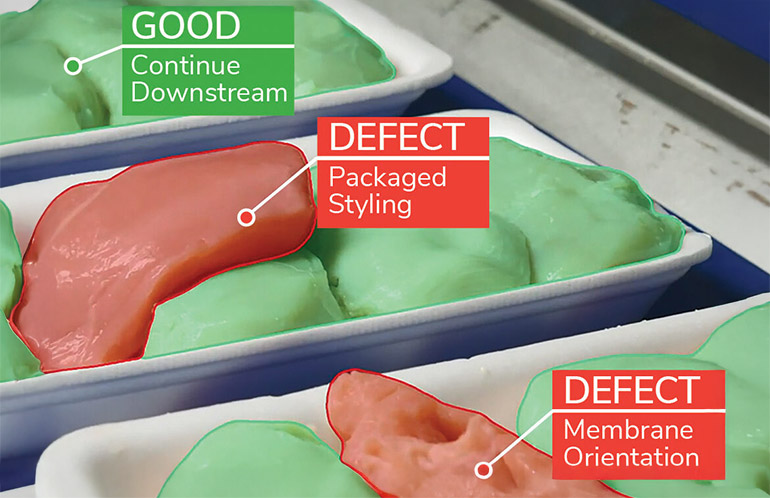
- Quality inspection: Using machine vision, cobots can identify defects, contaminants, or inconsistencies in products, ensuring only high-quality items reach consumers.
- Sorting and portioning: Cobots can accurately sort products by size, weight, or type, and portion ingredients with precision, supporting consistency and reducing waste.
- Cleaning and sanitization: Some cobots are designed to assist with cleaning equipment or surfaces, helping maintain strict hygiene standards.

Enhancing Food Safety and Quality with Collaborative Robots
Maintaining food safety is paramount in processing environments. Cobots contribute significantly by minimizing human contact with products, which helps reduce contamination risks. Their ability to perform repetitive tasks with high accuracy ensures that hygiene protocols are consistently met.
For example, cobots equipped with vision systems can detect foreign objects or surface defects that might be missed by the human eye. This level of precision supports compliance with regulatory standards and boosts consumer confidence in product quality. Additionally, cobots can assist with traceability by recording data throughout the production process, facilitating recalls if necessary.
Integrating cobots with other digital tools, such as predictive tools for cocoa roasting consistency, further enhances process control and product uniformity.
Boosting Efficiency and Reducing Labor Challenges
Labor shortages and high turnover rates are persistent challenges in the food industry. Cobots help address these issues by taking on physically demanding or monotonous tasks, allowing human workers to focus on more complex and value-added activities. This not only improves job satisfaction but also helps companies maintain steady production even during staffing fluctuations.
Moreover, cobots can operate continuously without fatigue, increasing throughput and reducing downtime. Their rapid deployment and easy reprogramming make it possible to adapt to seasonal changes or new product lines quickly, supporting business agility.
Integrating Cobots with Predictive Maintenance and Digital Solutions
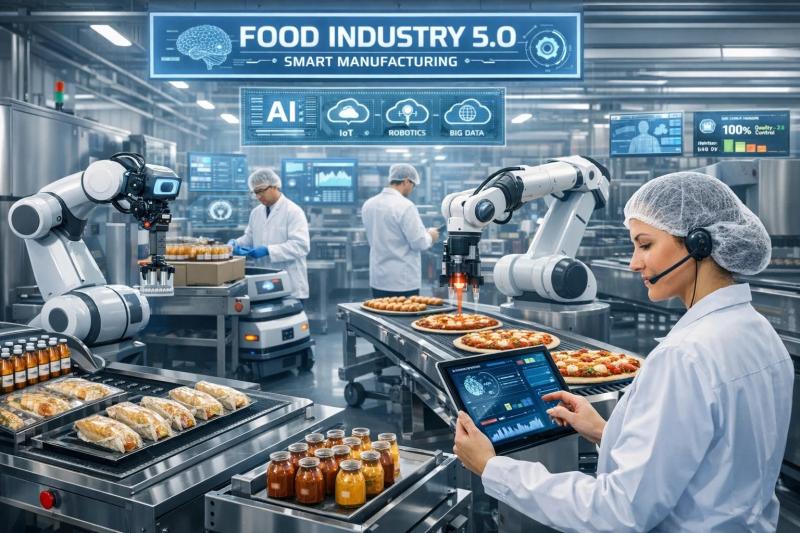
Modern food processing facilities are increasingly adopting digital technologies to maximize uptime and minimize unplanned outages. Cobots can be integrated with condition monitoring systems, enabling predictive maintenance strategies that keep equipment running smoothly. For a deeper dive into this topic, see this overview of condition monitoring and predictive maintenance in food and beverage production.
By collecting and analyzing real-time data, cobots can alert operators to potential issues before they escalate, reducing costly breakdowns and extending the lifespan of machinery. This proactive approach supports a more resilient and efficient production environment.
Additionally, cobots can be linked with other smart factory solutions, such as systems to monitor vibration in vertical form fill seal machines, further enhancing operational visibility and control.
Challenges and Considerations for Cobot Adoption
While the advantages of cobots are clear, there are important factors to consider before implementation:
- Workforce training: Employees must be trained to work safely and effectively alongside cobots, including basic programming and troubleshooting.
- Hygiene and compliance: Cobots used in food environments must be designed with materials and finishes that meet food safety regulations.
- Integration with existing systems: Ensuring seamless communication between cobots and legacy equipment can require additional investment in interfaces or software.
- Change management: Introducing automation can raise concerns among staff. Clear communication and involvement in the transition process are essential for successful adoption.
Despite these challenges, the long-term benefits of increased efficiency, safety, and product quality make cobots a compelling choice for forward-thinking food processors.
Future Trends in Collaborative Automation for Food Manufacturing
The role of cobots in food production is expected to expand as technology advances. Key trends shaping the future include:
- Integration with artificial intelligence for smarter decision-making and adaptive learning
- Enhanced mobility, allowing cobots to move between workstations as needed
- Greater use of cloud-based analytics for real-time process optimization
- Collaboration with other digital tools to optimize processes, such as ways to optimize carbonation levels in drinks
As these trends develop, cobots will continue to play a pivotal role in making food processing safer, more efficient, and more responsive to market demands.
Frequently Asked Questions
How do cobots improve food safety in processing plants?
Cobots reduce direct human contact with food products, minimizing contamination risks. Their precise and consistent operation ensures hygiene protocols are followed, and vision-equipped cobots can detect defects or contaminants more reliably than manual inspection.
Are cobots suitable for small and medium-sized food businesses?
Yes, cobots are designed for flexibility and ease of use, making them accessible for businesses of all sizes. Their lower cost and simple programming allow smaller companies to automate tasks without major infrastructure changes.
What maintenance do cobots require in food processing environments?
Cobots generally need regular cleaning and inspection, especially in food applications where hygiene is critical. Integrating cobots with predictive maintenance systems can help identify issues early, reducing downtime and extending equipment life.