
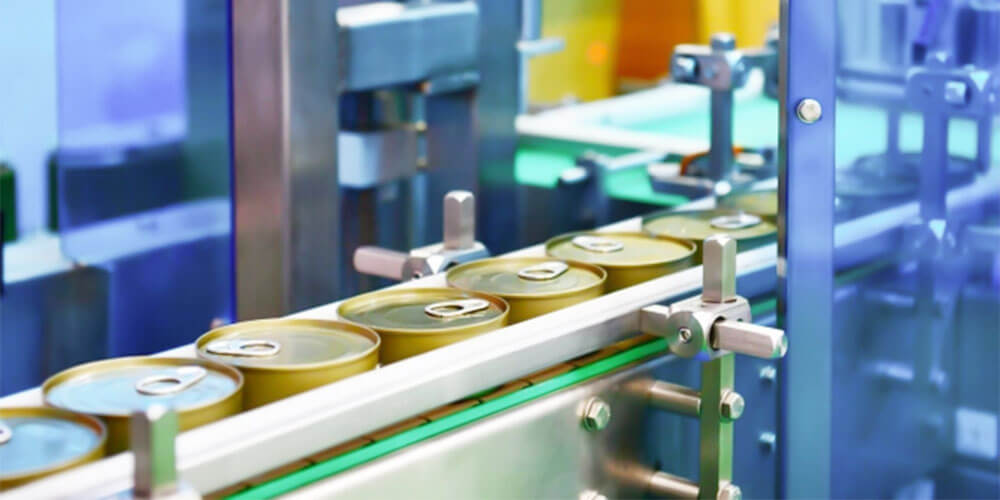
Maintaining optimal moisture content is a critical aspect of food quality, safety, and shelf life. For manufacturers, distributors, and retailers, using sensors to track moisture levels in food has become an essential practice. Advances in smart sensor technology now allow real-time, non-destructive, and highly accurate monitoring of moisture, helping businesses reduce waste, prevent spoilage, and comply with regulatory standards.
This article explores how modern sensor systems are transforming food processing and storage. We’ll look at the types of sensors available, their benefits, implementation strategies, and the impact on food safety and efficiency. For those interested in broader industrial monitoring, you may also find value in our guide on how to monitor equipment health in real-time.
Why Monitoring Moisture in Food Matters
Moisture content directly affects the texture, taste, and shelf life of food products. Excess moisture can lead to microbial growth, spoilage, and reduced product quality, while insufficient moisture may result in undesirable texture or weight loss. By tracking moisture levels in food products with sensors, producers can ensure consistency, meet safety standards, and optimize production processes.
Traditional methods for measuring moisture, such as oven drying or chemical analysis, are often time-consuming and destructive. In contrast, smart sensors provide instant, repeatable, and non-invasive readings, making them ideal for integration into automated food processing lines.
Types of Sensors Used for Food Moisture Detection
A variety of sensor technologies are available for monitoring moisture in food. Each has its own strengths and is suited to specific applications:
- Capacitive Sensors: These measure changes in dielectric properties caused by moisture. They are commonly used for grains, powders, and bulk solids.
- Near-Infrared (NIR) Sensors: NIR technology analyzes how food absorbs and reflects light at specific wavelengths, providing rapid, non-contact moisture readings for products like cereals, baked goods, and meats.
- Microwave Sensors: By sending microwaves through a sample, these sensors detect moisture based on energy absorption. They are effective for continuous, in-line monitoring.
- Resistive Sensors: These detect changes in electrical resistance as moisture content varies, often used in packaged or processed foods.

How Smart Sensors Work in Food Processing
Integrating smart sensors into food production lines allows for continuous, automated moisture monitoring. These devices are often connected to central control systems, enabling real-time data collection and analysis. When moisture levels deviate from set parameters, the system can trigger alerts or automatically adjust processing conditions such as drying time, temperature, or humidity.
This proactive approach not only improves product quality but also reduces energy consumption and operational costs. For example, optimizing drying processes with sensor feedback can prevent over-drying, saving both time and resources. For additional insights on efficiency, see our article on ways to optimize energy consumption using predictive tools.
Benefits of Using Sensors to Track Moisture Levels in Food
The adoption of smart moisture sensors brings several significant advantages to the food industry:
- Enhanced Product Quality: Consistent moisture control ensures uniform taste, texture, and appearance across batches.
- Improved Food Safety: By preventing excess moisture, sensors help inhibit microbial growth and reduce the risk of spoilage.
- Reduced Waste: Real-time monitoring allows for immediate corrective actions, minimizing the amount of product lost to spoilage or rework.
- Regulatory Compliance: Accurate moisture tracking helps meet industry standards and documentation requirements.
- Operational Efficiency: Automated adjustments based on sensor data streamline production and lower energy costs.
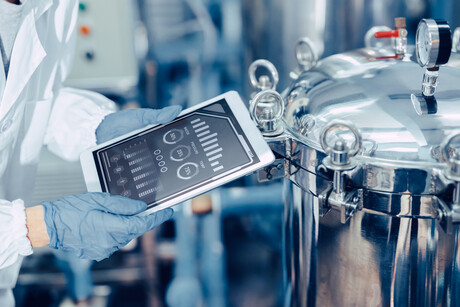
Implementing Moisture Sensors in Food Production
Deploying smart sensors for moisture measurement involves several key steps:
- Assessment: Identify critical control points in the production process where moisture impacts quality or safety.
- Sensor Selection: Choose the appropriate sensor technology based on food type, required accuracy, and environmental conditions.
- Integration: Install sensors in-line or at designated checkpoints, ensuring compatibility with existing automation and data systems.
- Calibration: Regularly calibrate sensors to maintain accuracy and reliability.
- Data Management: Use software platforms to collect, analyze, and visualize moisture data for process optimization and reporting.
For a deeper dive into non-invasive quality control, explore our guide to non-destructive testing in food processing.
Challenges and Considerations
While the benefits are substantial, there are some challenges to consider when adopting sensor-based moisture tracking:
- Initial Investment: High-quality sensors and integration with automation systems can require significant upfront costs.
- Calibration and Maintenance: Sensors must be regularly maintained and calibrated to ensure ongoing accuracy.
- Environmental Factors: Temperature, humidity, and product variability can affect sensor readings and require compensation algorithms.
- Data Security: As with any connected device, ensuring the security of sensor data is essential to protect intellectual property and comply with regulations.
Despite these considerations, the long-term savings and quality improvements often justify the investment. For those managing complex supply chains, our resource on how big data affects food supply chain reliability provides additional context.
Future Trends in Food Moisture Monitoring
The future of using sensors to track moisture levels in food is shaped by ongoing innovation. Emerging trends include:
- Wireless and IoT Connectivity: Sensors are increasingly equipped with wireless capabilities, enabling remote monitoring and predictive maintenance.
- Miniaturization: Smaller, more affordable sensors are making it feasible to monitor moisture at multiple points throughout the supply chain.
- Advanced Analytics: Machine learning and AI are being used to interpret sensor data, predict trends, and optimize processing parameters.
- Integration with Other Quality Metrics: Modern systems can simultaneously track temperature, pH, and other variables for comprehensive quality control.
For a practical example of predictive maintenance in the food sector, see this overview of predictive maintenance in the food industry.
FAQ
What types of food products benefit most from moisture monitoring?
Many products require careful moisture control, including grains, cereals, baked goods, meats, dairy, and processed foods. Any item where water content affects safety, shelf life, or quality can benefit from sensor-based monitoring.
Are smart sensors difficult to install in existing food processing lines?
Most modern sensors are designed for straightforward installation and can be integrated with existing automation and data systems. However, proper calibration and periodic maintenance are essential for reliable performance.
How do sensors improve food safety and compliance?
By providing real-time, accurate moisture readings, sensors help prevent conditions that promote microbial growth or spoilage. This supports compliance with food safety regulations and ensures consistent product quality.
Can moisture sensors be used for packaged foods?
Yes, certain sensor types, such as resistive or NIR sensors, can measure moisture in packaged products without opening them, making them ideal for quality checks during distribution and retail.
What is the role of data analytics in moisture monitoring?
Data analytics platforms can aggregate sensor data, identify trends, and provide actionable insights for process optimization. Advanced systems may use AI to predict issues before they occur, further enhancing efficiency and quality.