
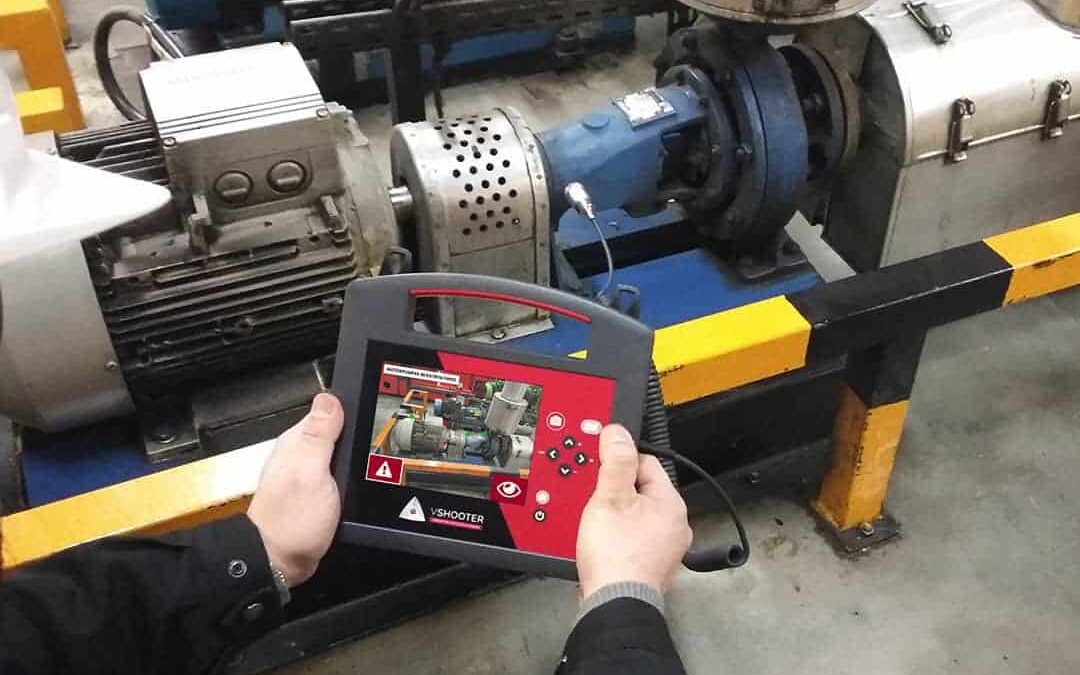
Paper manufacturing is a complex process that relies on a network of rotating machinery, from pulpers and refiners to presses and winders. Keeping these machines running smoothly is crucial for maintaining production efficiency and avoiding unplanned downtime. Vibration analysis for paper mills has become an essential tool in modern maintenance strategies, enabling early detection of mechanical issues before they escalate into expensive failures.
By monitoring the vibration patterns of critical assets, maintenance teams can identify developing faults such as misalignment, imbalance, bearing wear, and looseness. This proactive approach not only reduces the risk of catastrophic breakdowns but also optimizes maintenance schedules and extends the lifespan of equipment. For those interested in how similar techniques are applied in other industries, you can explore vibration analysis for power plants to see how monitoring strategies compare.
Why Condition Monitoring Matters in Pulp and Paper Operations
The pulp and paper sector faces unique challenges due to the scale and speed of its machinery. Even minor faults can quickly lead to web breaks, production losses, and costly repairs. Implementing vibration analysis in paper manufacturing helps operators:
- Detect early signs of mechanical problems before they cause failures
- Reduce unplanned downtime and associated production losses
- Optimize maintenance intervals and resource allocation
- Improve safety by minimizing the risk of catastrophic equipment failure
- Extend the service life of critical assets
Traditional maintenance approaches, such as time-based or reactive repairs, often result in unnecessary part replacements or unexpected breakdowns. By contrast, condition-based monitoring leverages real-time data to make informed maintenance decisions, reducing both costs and risks.
How Vibration Analysis Works in Paper Mill Environments
Vibration monitoring in paper mills involves the use of sensors (accelerometers or velocity transducers) mounted on key machine components. These sensors continuously capture vibration signals, which are then analyzed to identify abnormal patterns associated with specific faults.
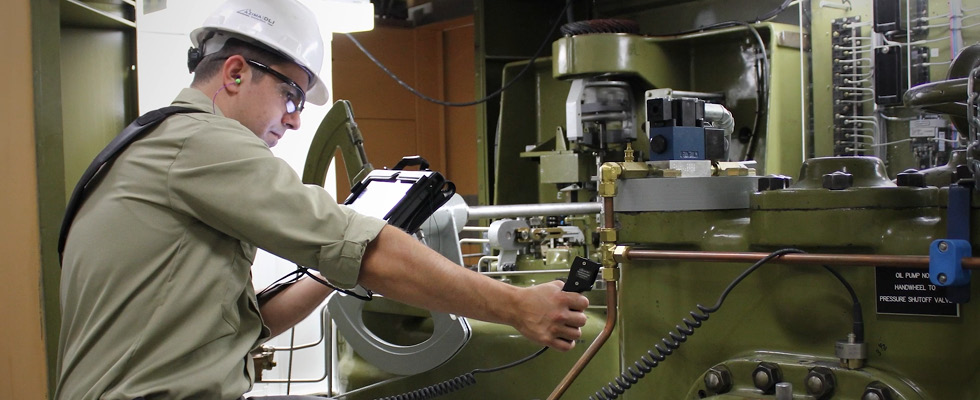
The process typically includes:
- Sensor Placement: Sensors are installed on bearings, motors, gearboxes, and other rotating parts.
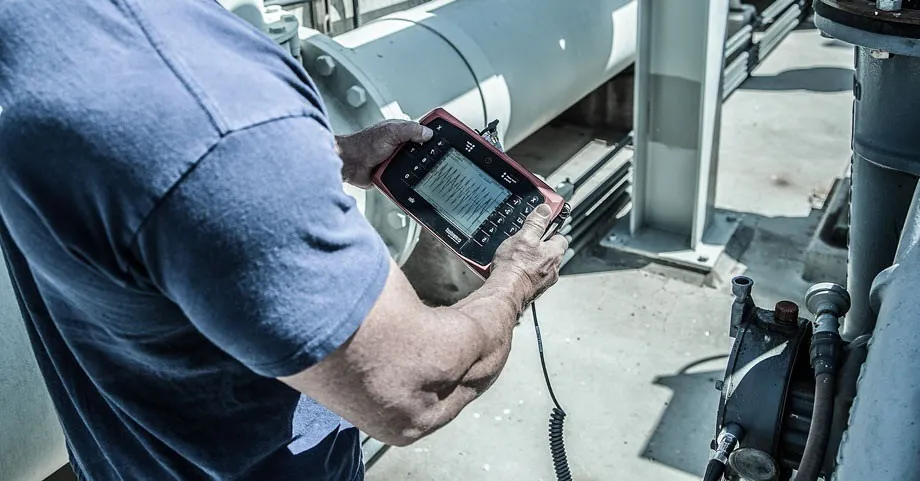
- Data Collection: Vibration data is gathered either continuously (online systems) or at scheduled intervals (portable devices).
- Signal Analysis: Collected data is processed using Fast Fourier Transform (FFT) and other algorithms to reveal frequency spectra.
- Fault Diagnosis: Analysts interpret the vibration signatures to pinpoint issues such as imbalance, misalignment, or bearing defects.
- Reporting and Action: Maintenance teams receive actionable insights to schedule repairs or further inspections.
For a deeper technical explanation, you can refer to this comprehensive guide on how vibration analysis works.
Common Faults Detected by Vibration Analysis in Paper Mills
The high-speed and high-load nature of paper mill equipment makes it susceptible to a range of mechanical issues. Vibration analysis for paper mills is particularly effective at identifying:
- Imbalance: Uneven mass distribution in rotating parts, leading to excessive vibration and premature wear.
- Misalignment: Shafts or couplings that are not properly aligned, causing increased stress and energy loss.
- Bearing Defects: Wear or damage to rolling elements and races, often detected by characteristic vibration frequencies.
- Gearbox Problems: Tooth wear, pitting, or misalignment in gear drives, which can escalate if not addressed early.
- Looseness: Loose bolts or structural components, resulting in erratic vibration patterns and potential safety hazards.
Early detection of these faults allows maintenance teams to intervene before minor issues develop into major failures, minimizing the risk of unexpected shutdowns.
Integrating Vibration Monitoring with Predictive Maintenance
Modern paper mills are increasingly adopting predictive maintenance strategies that combine vibration analysis with other condition monitoring techniques, such as thermography and oil analysis. By integrating multiple data sources, maintenance teams gain a comprehensive view of equipment health and can make smarter decisions about when to schedule repairs.
Predictive maintenance offers several advantages:
- Reduces unnecessary part replacements and labor costs
- Improves reliability and availability of production assets
- Enables better planning for spare parts and maintenance resources
- Supports compliance with safety and environmental regulations
For those interested in expanding their knowledge of predictive strategies, the article on industrial IoT maintenance applications provides insights into how digital technologies are transforming asset management.
Best Practices for Implementing Vibration Analysis in Paper Production
To maximize the benefits of vibration analysis for paper mills, consider the following best practices:
- Asset Prioritization: Focus on the most critical machines—such as main drive motors, presses, and winders—where failures would have the greatest impact.
- Baseline Measurements: Establish normal vibration levels for each asset to enable accurate trend analysis.
- Regular Data Collection: Schedule routine measurements and supplement with continuous monitoring for high-risk equipment.
- Training and Expertise: Ensure maintenance staff are trained in data interpretation or partner with experienced analysts.
- Actionable Reporting: Use software tools to generate clear, concise reports that support timely decision-making.
Adopting these practices helps ensure that vibration monitoring delivers actionable insights and real value to mill operations.
Comparing Vibration Analysis Across Industrial Sectors
While the principles of vibration monitoring remain consistent, each industry presents unique challenges. For example, vibration analysis for textile machinery focuses on keeping looms and spinning frames running, while vibration analysis for food processing equipment emphasizes safety and hygiene alongside uptime. Paper mills, with their large-scale, high-speed machines, benefit from tailored monitoring programs that address sector-specific risks.
For those interested in the technical side of interpreting vibration data, the machine vibration data interpretation guide offers practical advice for field technicians and engineers.
Frequently Asked Questions
What are the main benefits of vibration analysis in paper manufacturing?
The primary advantages include early detection of mechanical faults, reduced unplanned downtime, optimized maintenance schedules, and extended equipment lifespan. By identifying issues before they escalate, mills can avoid costly repairs and production losses.
How often should vibration monitoring be performed on paper mill equipment?
The frequency depends on the criticality of the asset and operating conditions. High-risk machines may require continuous monitoring, while less critical equipment can be checked at regular intervals (e.g., monthly or quarterly). Establishing baseline measurements and trending data over time is key to effective monitoring.
Can vibration analysis detect all types of equipment faults?
While vibration monitoring is highly effective for identifying issues like imbalance, misalignment, and bearing defects, it may not detect all possible faults. Combining vibration analysis with other techniques—such as thermography or oil analysis—provides a more complete picture of equipment health.