
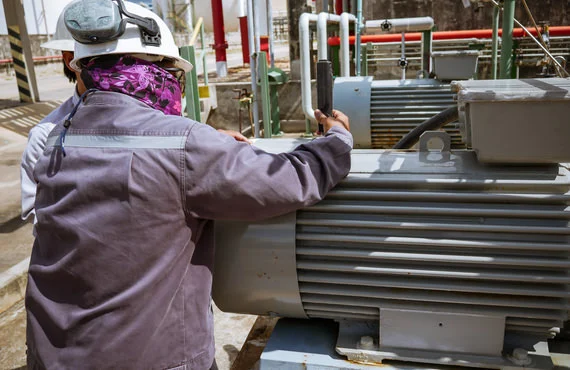
Steel production relies on some of the most demanding and complex machinery in modern industry. From rolling mills and blast furnaces to massive drives and conveyors, heavy assets are the backbone of every plant. Ensuring these machines run reliably is essential for safety, product quality, and profitability. Vibration analysis for steel manufacturing has emerged as a crucial method for monitoring the health of these assets, detecting issues early, and preventing costly downtime.
This guide explores how vibration monitoring supports steel operations, the types of equipment most at risk, and the best practices for implementing a predictive maintenance program. For those interested in similar applications across industries, you may also want to read about vibration analysis for power plants to see how other sectors approach asset reliability.
Why Vibration Monitoring Matters in Steel Plants
Heavy-duty machinery in steel mills operates under extreme loads, high temperatures, and continuous cycles. Over time, these harsh conditions can lead to wear, misalignment, imbalance, and other mechanical faults. Without early detection, such issues can escalate into catastrophic failures, unplanned outages, or even safety incidents.
Vibration analysis for steel manufacturing provides a non-invasive way to monitor the condition of rotating and reciprocating equipment. By tracking vibration patterns, maintenance teams can identify developing faults before they impact operations. This proactive approach not only reduces downtime but also extends the lifespan of critical assets and helps optimize maintenance budgets.
Key Equipment at Risk in Steel Production
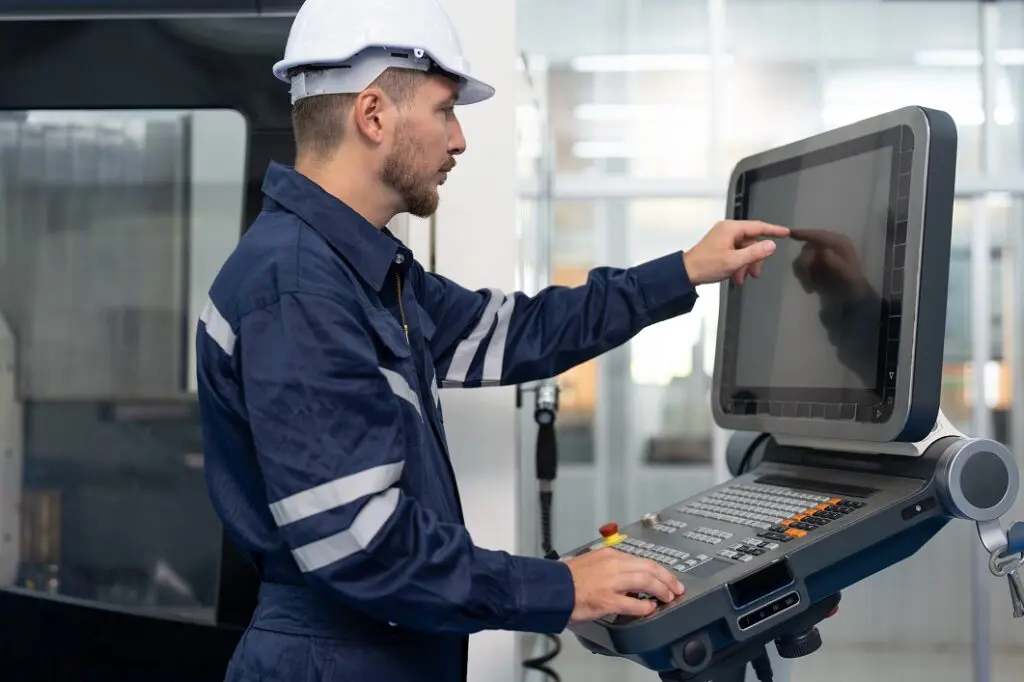
Steel manufacturing facilities are home to a wide range of assets, each with unique vibration signatures and failure modes. Some of the most critical equipment types include:
- Rolling mills: The heart of steel processing, these machines are subject to high dynamic loads and frequent speed changes. Bearing wear, gear damage, and misalignment are common vibration-related issues.
- Blast furnace blowers and compressors: Essential for maintaining air flow and pressure, these units are sensitive to imbalance and looseness, which can be detected through vibration trends.
- Conveyors and drives: Long runs and heavy loads make these systems prone to misalignment, belt defects, and motor faults.
- Pumps and fans: Used throughout the plant for cooling, lubrication, and material handling, these assets benefit from continuous vibration monitoring to spot early signs of cavitation or bearing failure.
By focusing on these high-value machines, plants can prioritize their monitoring efforts and achieve the greatest impact on reliability and uptime.
How Vibration Analysis Works in Steel Manufacturing
The process of vibration monitoring involves collecting and analyzing data from sensors mounted on equipment. These sensors detect minute movements and oscillations, which are then converted into electrical signals for analysis. The key steps in a typical program include:
- Sensor installation: Accelerometers or velocity sensors are placed at strategic points on machines, such as bearings, housings, or shafts.
- Data acquisition: Vibration signals are recorded either continuously or at scheduled intervals, depending on the criticality of the asset.
- Signal processing: The raw data is filtered and transformed (often using Fast Fourier Transform) to reveal frequency spectra and identify abnormal patterns.
- Fault diagnosis: Maintenance teams interpret the results to pinpoint specific issues like imbalance, misalignment, looseness, or bearing defects.
- Corrective action: Based on the findings, repairs or adjustments are scheduled before failures occur.
Modern systems often integrate with plant automation and maintenance management software, enabling real-time alerts and trend analysis across multiple assets.
Benefits of Predictive Maintenance Using Vibration Data
Implementing a robust vibration monitoring program delivers several advantages for steel manufacturers:
- Reduced unplanned downtime: Early detection of faults allows for scheduled repairs, minimizing costly production interruptions.
- Improved asset longevity: Identifying and correcting issues before they escalate helps extend the service life of expensive machinery.
- Enhanced safety: Monitoring critical equipment reduces the risk of catastrophic failures that could endanger personnel or damage infrastructure.
- Lower maintenance costs: Targeted interventions based on real condition data prevent unnecessary part replacements and labor expenses.
- Better product quality: Stable, well-maintained machines produce more consistent steel products, reducing scrap and rework.
These benefits are especially significant in an industry where margins are tight and operational efficiency is paramount.
Best Practices for Implementing Vibration Monitoring
To get the most out of vibration analysis in steel production, consider the following best practices:
- Start with critical assets: Focus initial efforts on machines whose failure would have the greatest impact on safety or production.
- Use high-quality sensors: Select sensors rated for the harsh environments typical of steel plants, including high temperatures and electromagnetic interference.
- Establish baseline data: Record vibration signatures of healthy equipment to serve as a reference for future comparisons.
- Train staff: Ensure maintenance teams understand how to interpret vibration data and respond appropriately to alerts.
- Integrate with other predictive tools: Combine vibration monitoring with technologies like oil analysis or thermography for a more comprehensive view of asset health.
For a deeper dive into interpreting vibration data, you may find the resource on machine vibration data interpretation helpful.
Challenges and Considerations in Steel Environments
While the advantages of vibration monitoring are clear, steel plants face unique challenges when deploying these systems:
- Harsh conditions: High temperatures, dust, and vibration from adjacent equipment can affect sensor performance and data accuracy.
- Complex machinery: Many machines have multiple moving parts and operate at variable speeds, complicating fault diagnosis.
- Data overload: Continuous monitoring produces large volumes of data, requiring robust analytics and storage solutions.
- Integration with legacy systems: Older equipment may lack provisions for sensor mounting or digital connectivity, necessitating creative solutions.
Overcoming these obstacles often involves working closely with technology providers and leveraging industry best practices.
Industry Resources and Further Reading
For those seeking more technical detail or case studies, the article on advanced vibration analysis techniques for industrial assets provides a comprehensive overview of methodologies and real-world applications.
Additionally, exploring how predictive maintenance is applied in other sectors, such as vibration analysis for mining equipment or vibration analysis for food processing equipment, can offer valuable insights for steel plant managers.
Frequently Asked Questions
What are the most common faults detected by vibration analysis in steel plants?
The most frequently identified issues include bearing wear, misalignment, imbalance, gear defects, and looseness in rotating machinery. Early detection of these problems helps prevent unexpected breakdowns and extends equipment life.
How often should vibration data be collected in a steel manufacturing facility?
The frequency depends on the criticality of the asset and operational demands. For high-value or high-risk equipment, continuous monitoring is recommended. For less critical machines, periodic measurements (weekly or monthly) may suffice.
Can vibration analysis be integrated with other predictive maintenance tools?
Yes, combining vibration monitoring with techniques like oil analysis, thermography, and ultrasonic testing provides a more complete picture of asset health. This multi-technology approach enhances fault detection and supports more informed maintenance decisions.