
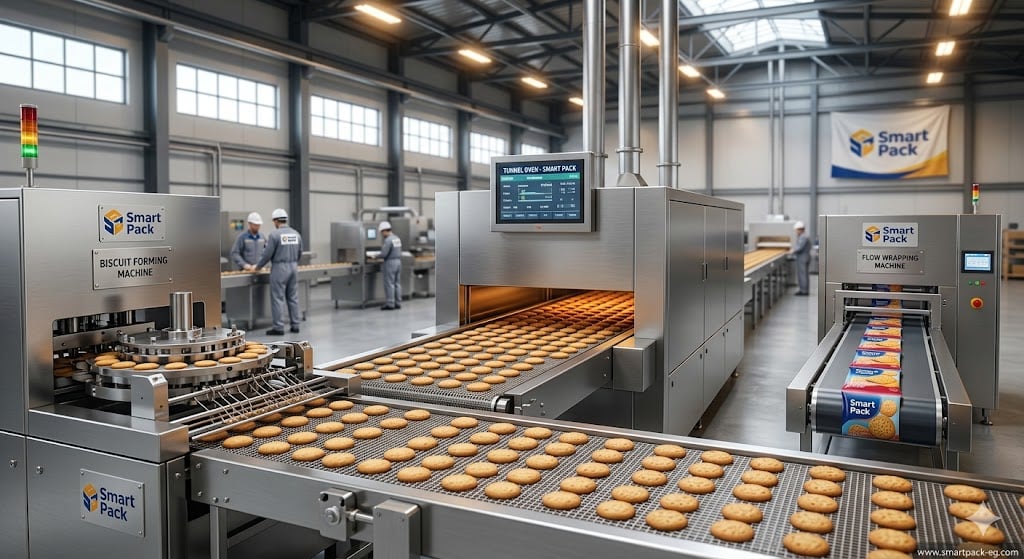
Industrial cutting blades are essential components in manufacturing, food processing, packaging, and many other sectors. Over time, these blades experience gradual degradation, which can affect product quality, machine efficiency, and operational safety. Understanding the ways to monitor wear and tear on cutting blades is crucial for maintenance teams and plant managers aiming to reduce downtime, extend blade life, and maintain consistent output.
Monitoring the condition of cutting tools involves a mix of visual inspections, advanced sensors, and data-driven maintenance strategies. Early detection of blade deterioration not only prevents costly breakdowns but also supports compliance with safety and quality standards. For those interested in broader plant monitoring strategies, you might also find value in learning ways to improve safety using sensor-based zones for a holistic approach to equipment safety and efficiency.
Why Blade Condition Monitoring Matters
Industrial blades are subject to intense mechanical and thermal stress. As a result, their edges can become dull, chipped, or deformed. If left unchecked, worn blades can cause:
- Reduced cutting precision and product quality
- Increased energy consumption and machine load
- Unexpected equipment failures and costly downtime
- Potential safety hazards for operators
By implementing effective ways to monitor wear and tear on cutting blades, companies can optimize maintenance schedules, minimize waste, and ensure safe, reliable production.
Visual Inspection Techniques for Blade Wear
One of the most straightforward approaches is regular visual inspection. Maintenance staff can look for obvious signs of blade deterioration, such as:
- Dull or rounded edges
- Chipping, cracks, or nicks along the blade
- Discoloration from overheating
- Build-up of material or corrosion
While visual checks are quick and cost-effective, they may not catch early-stage wear or subtle changes in blade geometry. For this reason, visual inspections are often combined with more advanced monitoring methods.

Sensor-Based Monitoring Solutions
Modern manufacturing environments are increasingly adopting sensor technologies to track blade condition in real time. These solutions provide objective, continuous data that can be used for predictive maintenance. Key sensor-based approaches include:
- Vibration analysis: Changes in vibration patterns can indicate blade imbalance, misalignment, or excessive wear.
- Acoustic emission monitoring: Sensors detect high-frequency sound waves generated by micro-cracks or friction, signaling early blade degradation.
- Force and torque measurement: Monitoring the force required for cutting or the torque on the blade shaft can reveal increased resistance due to dullness or damage. For more on this, see how to monitor torque in dough kneading equipment.
- Temperature sensors: Overheating is a common sign of excessive friction or blade wear. Infrared or contact sensors can provide early warnings.
Integrating these sensors with a plant’s control system allows for automated alerts and data-driven maintenance planning.
Measuring Blade Sharpness and Geometry
Precision measurement tools can provide quantitative data on blade condition. Common techniques include:
- Microscopy: High-magnification imaging to inspect edge sharpness and micro-damage.
- Laser profilometry: Non-contact lasers scan the blade edge to detect changes in profile, thickness, and wear patterns.
- Contact gauges: Mechanical devices measure blade thickness and edge angle, highlighting deviations from specifications.
These methods are particularly valuable for high-precision applications where even minor blade wear can impact performance.

Data-Driven and Predictive Maintenance Approaches
Beyond manual checks and sensors, many facilities are moving toward predictive maintenance using AI and analytics. By collecting historical and real-time data on blade performance, maintenance teams can:
- Predict optimal replacement intervals
- Identify abnormal wear patterns before failures occur
- Reduce unnecessary blade changes and associated costs
For a deeper dive into predictive strategies in food processing and manufacturing, consider exploring how predictive maintenance powered by AI is transforming food processing.
Best Practices for Monitoring Cutting Blade Degradation
To maximize the effectiveness of your blade monitoring program, consider these best practices:
- Set a regular inspection schedule based on blade type, application, and manufacturer recommendations.
- Train staff to recognize early signs of wear and understand the importance of timely reporting.
- Document all inspections and maintenance actions for traceability and continuous improvement.
- Leverage digital tools for tracking blade life cycles and integrating sensor data into maintenance systems.
- Combine multiple monitoring methods to ensure early detection and comprehensive coverage.
These steps help ensure that your cutting equipment operates at peak efficiency, with minimal risk of unexpected failures.
Common Signs of Blade Wear to Watch For
Recognizing the symptoms of blade deterioration is vital for timely intervention. Watch for:
- Increased burrs or rough edges on cut products
- Unusual noises or vibrations during operation
- Visible chips, cracks, or uneven wear
- Frequent blade adjustments or replacements
- Declining throughput or product quality
Addressing these issues promptly can prevent further damage to machinery and maintain consistent production standards.
Integrating Monitoring with Broader Maintenance Strategies
Monitoring blade condition should be part of a comprehensive maintenance program. Integrating blade checks with other predictive and preventive maintenance activities—such as lubrication, alignment, and cleaning—can further reduce downtime and extend equipment life. For example, facilities that already use predictive maintenance for aseptic packaging systems can apply similar data-driven principles to blade monitoring.
Frequently Asked Questions
How often should industrial cutting blades be inspected for wear?
The frequency of inspection depends on the application, material being cut, and blade type. In high-volume or critical operations, daily or shift-based checks are common. For less demanding uses, weekly or monthly inspections may suffice. Always follow manufacturer guidelines and adjust based on observed wear patterns.
What are the most reliable indicators of blade wear?
Reliable indicators include visible dullness, chipping, increased vibration or noise, higher cutting resistance, and changes in product quality. Sensor data, such as abnormal force or temperature readings, can also provide early warnings of degradation.
Can predictive maintenance reduce blade replacement costs?
Yes, predictive maintenance leverages data from sensors and historical performance to optimize blade replacement timing. This approach helps avoid premature changes and reduces the risk of unexpected failures, ultimately lowering overall maintenance costs.