
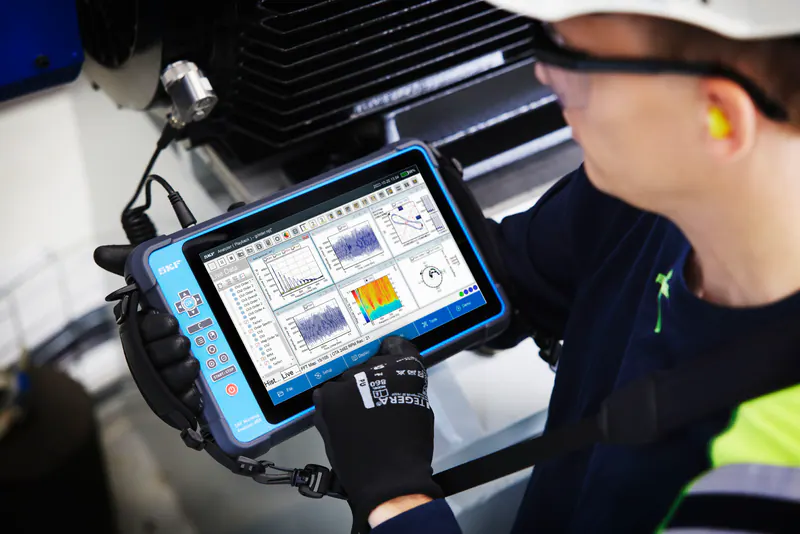
Vibration analysis is a crucial technique in modern manufacturing, enabling companies to monitor the health of machinery, reduce unplanned downtime, and improve operational efficiency. By detecting and interpreting the patterns of vibration produced by equipment, manufacturers can identify potential problems before they lead to costly failures. This guide explores the fundamentals of vibration analysis, its benefits, applications, and best practices for implementation in industrial settings.
For industries with specialized needs, such as power generation, targeted solutions like vibration analysis for power plants help monitor critical assets and ensure reliability. These approaches are tailored to the unique demands of different sectors, making vibration monitoring a versatile tool across manufacturing environments.
Understanding the Basics of Vibration Monitoring
At its core, vibration analysis in manufacturing involves measuring the oscillations or movements of machinery components. Every rotating or moving part generates a unique vibration signature. By capturing and analyzing these signals, maintenance teams can detect irregularities that may indicate wear, imbalance, misalignment, or mechanical faults.
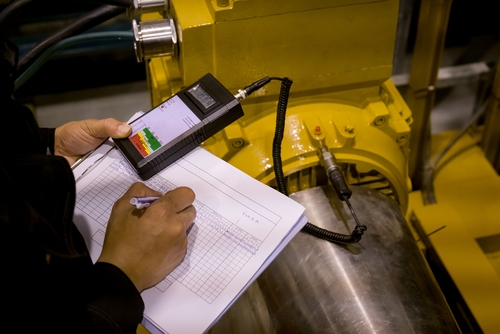
Vibration data is typically collected using sensors such as accelerometers, velocity sensors, or displacement probes. These devices are attached to key points on equipment and transmit real-time information to monitoring systems. The data is then processed and interpreted using specialized software, allowing experts to pinpoint issues and recommend corrective actions.
Why Is Vibration Analysis Important for Manufacturers?
Manufacturing plants rely on a wide range of rotating equipment, including motors, pumps, fans, compressors, and gearboxes. Over time, these machines are subject to wear and tear, which can lead to unexpected breakdowns. Vibration monitoring provides early warning signs of developing problems, allowing for proactive maintenance and minimizing production interruptions.
- Reduced Downtime: By identifying faults early, repairs can be scheduled during planned maintenance windows, avoiding costly emergency shutdowns.
- Extended Equipment Life: Timely interventions prevent minor issues from escalating, helping machinery last longer and operate more efficiently.
- Improved Safety: Detecting faults before they lead to catastrophic failures protects workers and reduces the risk of accidents.
- Cost Savings: Preventive maintenance based on vibration data is typically less expensive than reactive repairs or equipment replacement.
For industries with strict compliance requirements, such as pharmaceuticals, vibration analysis for pharmaceutical plants ensures both uptime and regulatory adherence.
How Does Vibration Analysis Work?
The process begins with the installation of vibration sensors on critical assets. These sensors continuously monitor the movement of machine components and transmit data to a central system. The collected signals are analyzed for patterns, frequencies, and amplitudes that correspond to normal or abnormal operating conditions.
Common vibration analysis techniques include:
- Time-Domain Analysis: Examines how vibration changes over time, useful for detecting sudden shocks or impacts.
- Frequency-Domain Analysis: Uses Fast Fourier Transform (FFT) to break down vibration signals into their frequency components, helping identify specific fault types.
- Envelope Analysis: Focuses on high-frequency signals to detect early-stage bearing defects and other subtle issues.
By comparing current vibration patterns to historical baselines, maintenance teams can quickly spot deviations and investigate their causes.

Key Applications Across Manufacturing Sectors
Vibration monitoring is widely used in various manufacturing environments. Some notable applications include:
- Power Generation: Monitoring turbines, generators, and pumps to prevent outages. Learn more about vibration analysis for power plants.
- Mining: Ensuring reliability of heavy-duty equipment in harsh underground conditions. See vibration analysis for mining equipment for details.
- Textile Manufacturing: Keeping looms and spinning machines running smoothly. Explore vibration analysis for textile machinery for more information.
- Food Processing: Maintaining uptime and safety in production lines. Read about vibration analysis for food processing equipment.
Each sector benefits from tailored monitoring strategies, ensuring that unique operational challenges are addressed effectively.
Benefits of Implementing Vibration Monitoring Programs
Adopting a structured vibration monitoring program offers several advantages for manufacturers:
- Predictive Maintenance: Move from reactive to predictive strategies, reducing unplanned failures.
- Resource Optimization: Allocate maintenance resources more efficiently by targeting only machines that need attention.
- Data-Driven Decisions: Leverage historical and real-time data to inform asset management and capital planning.
- Enhanced Product Quality: Minimize process disruptions that could affect product consistency and quality.
For a deeper technical overview, consult resources like this comprehensive FAQ on vibration analysis, which explains methodologies and best practices in detail.
Challenges and Considerations in Vibration Analysis
While the benefits are clear, implementing vibration monitoring is not without challenges. Some common considerations include:
- Initial Investment: Setting up sensors and software requires upfront costs, though these are often offset by long-term savings.
- Data Interpretation: Skilled analysts are needed to accurately interpret complex vibration data and distinguish between benign and problematic signals.
- Integration: Ensuring that vibration monitoring systems work seamlessly with existing maintenance and asset management platforms.
- Training: Maintenance teams must be trained to understand and act on vibration reports.
Overcoming these hurdles involves careful planning, choosing the right technology partners, and investing in workforce development.
Best Practices for Successful Vibration Monitoring
To maximize the value of vibration analysis in manufacturing, consider the following best practices:
- Start with Critical Assets: Focus initial efforts on machines whose failure would have the greatest impact on production or safety.
- Establish Baselines: Record vibration signatures of healthy equipment to serve as reference points for future analysis.
- Automate Data Collection: Use wireless sensors and cloud-based platforms to enable continuous, real-time monitoring.
- Schedule Regular Reviews: Analyze vibration data at set intervals and after major maintenance activities.
- Collaborate Across Teams: Involve maintenance, operations, and engineering staff in interpreting results and planning interventions.
Following these guidelines helps ensure that vibration monitoring delivers actionable insights and measurable improvements.
Frequently Asked Questions
What types of faults can vibration analysis detect?
Vibration monitoring can identify a range of mechanical issues, including imbalance, misalignment, bearing defects, looseness, gear faults, and resonance problems. Early detection allows for targeted maintenance and reduces the risk of unexpected breakdowns.
How often should vibration data be collected?
The frequency of data collection depends on the criticality of the equipment and operating conditions. For essential assets, continuous or daily monitoring is recommended. Less critical machines may be checked weekly or monthly.
Is vibration analysis suitable for all manufacturing equipment?
Most rotating and reciprocating machinery can benefit from vibration monitoring. However, very slow-speed equipment or machines with minimal moving parts may require alternative condition monitoring techniques.
Conclusion
Vibration analysis is a proven method for enhancing reliability, safety, and efficiency in manufacturing. By leveraging advanced monitoring technologies and best practices, manufacturers can detect issues early, optimize maintenance, and protect their most valuable assets. As industrial operations become more data-driven, vibration monitoring will continue to play a vital role in predictive maintenance strategies across diverse sectors.