
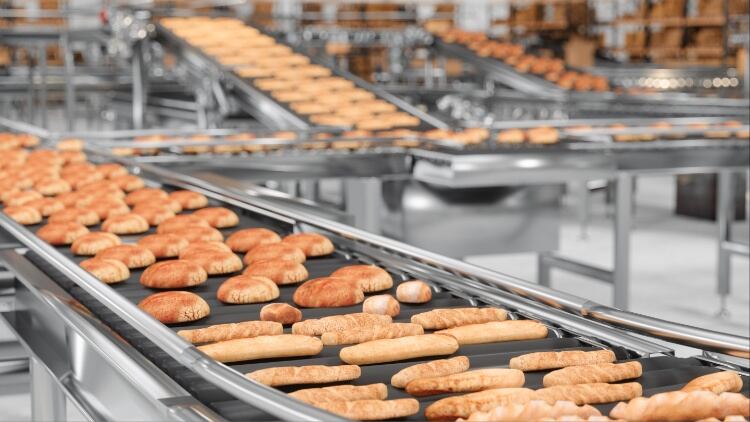
Condition monitoring is a proactive approach to maintaining the health and performance of machinery, and it is increasingly vital in the food processing sector. By continuously tracking the state of equipment, food manufacturers can detect early signs of wear, malfunction, or contamination risks. This enables timely interventions, reducing unplanned downtime and safeguarding both product quality and safety.
In the context of food production, the reliability of processing equipment is closely linked to compliance, efficiency, and profitability. Modern facilities are turning to advanced monitoring systems to ensure that machines run optimally and that any potential issues are addressed before they escalate. This article explores how these systems work, their benefits, and best practices for implementation.
For those interested in related technological advances, the role of computer vision in fruit grading demonstrates another way that data-driven solutions are transforming food manufacturing.
Understanding Condition Monitoring in Food Equipment
Condition monitoring for food equipment involves the systematic collection and analysis of data from machinery used in production lines. Sensors and diagnostic tools are installed on critical assets—such as mixers, conveyors, pumps, and packaging machines—to track parameters like vibration, temperature, noise, and lubrication levels.
The primary goal is to identify deviations from normal operating conditions. For example, an increase in vibration or temperature can signal bearing wear or misalignment. By catching these anomalies early, maintenance teams can intervene before a failure occurs, minimizing the risk of costly breakdowns and product recalls.
Key Technologies Used in Monitoring Systems
Modern monitoring systems leverage a variety of technologies to deliver real-time insights. Some of the most common include:
- Vibration analysis: Detects mechanical issues such as imbalance or looseness in rotating equipment.
- Thermal imaging: Identifies overheating in motors, bearings, and electrical panels.
- Ultrasound monitoring: Pinpoints leaks in compressed air systems and detects electrical discharges.
- Oil analysis: Monitors lubricant quality and contamination in gearboxes and hydraulic systems.
- Acoustic monitoring: Listens for abnormal sounds that may indicate mechanical faults.

These technologies are often integrated into centralized platforms that aggregate data and provide actionable alerts. With the rise of the Industrial Internet of Things (IIoT), many systems now offer remote monitoring and predictive analytics, further enhancing their value.
Benefits of Implementing Monitoring in Food Processing
Adopting a structured approach to monitoring equipment brings several advantages to food manufacturers:
- Reduced downtime: Early detection of faults allows for planned maintenance, minimizing unexpected stoppages.
- Improved food safety: Monitoring helps prevent contamination by ensuring equipment operates within safe parameters.
- Extended asset life: Timely interventions reduce wear and tear, prolonging the lifespan of machinery.
- Regulatory compliance: Continuous data collection supports documentation and traceability for audits.
- Cost savings: Avoiding emergency repairs and product loss leads to significant financial benefits.
For example, integrating ways to improve throughput with bottleneck analysis alongside monitoring can further optimize production efficiency.
How Condition Monitoring Supports Predictive Maintenance
A major advantage of monitoring systems is their role in enabling predictive maintenance. Rather than relying on fixed schedules, maintenance is performed based on the actual condition of equipment. This approach is more efficient and less disruptive than traditional preventive maintenance.
Predictive maintenance relies on continuous data streams to forecast when a component is likely to fail. For instance, if a sensor detects a gradual increase in motor temperature, maintenance can be scheduled before the motor overheats and causes a shutdown. This not only prevents production losses but also enhances workplace safety.
To learn more about how predictive technologies are reshaping the food and beverage industry, see this overview of predictive maintenance in production.
Challenges and Best Practices in Food Industry Applications
While the benefits are clear, implementing monitoring systems in food processing environments comes with unique challenges:
- Hygiene requirements: Sensors and devices must be food-safe and easy to clean to prevent contamination.
- Environmental factors: High humidity, temperature fluctuations, and aggressive cleaning agents can affect sensor reliability.
- Integration with legacy equipment: Retrofitting older machines may require custom solutions.
- Data management: Handling large volumes of sensor data demands robust IT infrastructure and cybersecurity measures.

Best practices for successful deployment include selecting sensors rated for food environments, ensuring regular calibration, and training staff on data interpretation. Collaboration between maintenance, IT, and production teams is also essential for maximizing system effectiveness.
Integrating Monitoring with Other Smart Manufacturing Tools
Condition-based monitoring is most effective when combined with other digital tools. For example, pairing it with predictive tools for liquid level monitoring can help maintain consistent product quality and reduce waste.
Similarly, advanced analytics and artificial intelligence are being used to interpret sensor data and recommend optimal maintenance actions. This is particularly valuable in complex operations where multiple variables affect equipment performance.
For facilities with freezing operations, leveraging insights from how to optimize freezing cycles with data can further enhance efficiency and product safety.
Frequently Asked Questions
What types of food processing equipment benefit most from condition monitoring?
High-value, critical assets such as mixers, blenders, conveyors, pumps, and packaging machines gain the most from continuous monitoring. These machines are essential to production flow and are often subject to the highest wear and hygiene requirements.
How does condition monitoring improve food safety?
By tracking parameters like temperature, vibration, and cleanliness, monitoring systems help ensure that equipment operates within safe limits. This reduces the risk of contamination, spoilage, or mechanical failure that could compromise food safety.
Is it possible to retrofit existing equipment with monitoring technology?
Yes, many modern sensors and monitoring solutions are designed to be added to legacy equipment. However, it is important to select devices that are compatible with the specific machinery and compliant with food industry regulations.
How does condition monitoring differ from traditional preventive maintenance?
Traditional preventive maintenance is based on fixed schedules, regardless of the actual condition of equipment. Condition-based monitoring, on the other hand, uses real-time data to determine when maintenance is truly needed, making it more efficient and cost-effective.
Conclusion
Adopting a proactive approach to monitoring the health of food processing machinery is essential for modern manufacturers. By leveraging real-time data and predictive analytics, companies can minimize downtime, improve safety, and ensure compliance with industry standards. As technology continues to evolve, integrating these systems with other smart manufacturing tools will become even more important for maintaining a competitive edge in the food sector.